

What is the maximum frequency of SMA RF connectors?
Leave a message

As an experienced RF connectors supplier, I often encounter inquiries about the technical specifications of our products, especially regarding the maximum frequency of SMA RF connectors. In this blog, I'll delve into this topic, exploring the factors that determine the maximum frequency, its practical implications, and how it relates to our broader range of RF connector offerings.
Understanding SMA RF Connectors
SMA (SubMiniature version A) RF connectors are widely used in high - frequency applications due to their compact size, excellent electrical performance, and durability. They are commonly found in telecommunications, wireless communication systems, test and measurement equipment, and aerospace and defense applications. These connectors are designed to provide a reliable and low - loss connection for RF signals, making them a popular choice for engineers and technicians working in the RF and microwave fields.
Factors Determining the Maximum Frequency
The maximum frequency of an SMA RF connector is not a fixed value but is influenced by several factors. One of the primary factors is the design and construction of the connector itself. The materials used for the inner and outer conductors, as well as the dielectric material between them, play a crucial role in determining the connector's high - frequency performance.
High - quality conductors with low resistivity, such as copper or brass plated with gold or silver, can reduce signal loss at high frequencies. The dielectric material, which insulates the inner and outer conductors, also affects the connector's performance. Materials with low dielectric constant and low loss tangent, such as PTFE (Polytetrafluoroethylene), are commonly used in SMA connectors to minimize signal attenuation and maintain signal integrity at high frequencies.
Another important factor is the mechanical design of the connector. The precision of the mating interface, the tightness of the connection, and the overall structural integrity of the connector can all impact its maximum frequency. A well - designed SMA connector will have a precise mating interface that ensures a consistent electrical contact, reducing reflections and signal loss.
The manufacturing process also plays a significant role. Tight manufacturing tolerances are required to ensure that the dimensions of the connector components are within the specified range. Any deviations in the dimensions can lead to impedance mismatches, which can degrade the connector's performance at high frequencies.
Typical Maximum Frequency of SMA RF Connectors
In general, standard SMA RF connectors are designed to operate up to frequencies of around 18 GHz. However, there are also high - performance SMA connectors available that can operate at frequencies up to 26.5 GHz or even higher. These high - frequency SMA connectors are typically used in more demanding applications, such as millimeter - wave communication systems and high - speed data transmission.
It's important to note that the maximum frequency rating of an SMA connector is based on ideal conditions. In real - world applications, the actual maximum frequency may be lower due to factors such as cable losses, environmental conditions, and the quality of the mating components.
Practical Implications of the Maximum Frequency
The maximum frequency of an SMA RF connector has significant practical implications for its use in different applications. In telecommunications, for example, the increasing demand for higher data rates and bandwidth requires connectors that can support higher frequencies. SMA connectors with a higher maximum frequency can enable the transmission of more data over a given bandwidth, improving the performance of wireless communication systems.
In test and measurement equipment, the maximum frequency of the connector determines the range of frequencies that can be accurately measured. For example, if a test instrument is designed to measure signals up to 20 GHz, it requires an SMA connector that can support frequencies up to at least 20 GHz to ensure accurate measurements.
Our Range of RF Connectors
As an RF connectors supplier, we offer a wide range of SMA RF connectors with different maximum frequency ratings to meet the diverse needs of our customers. In addition to SMA connectors, we also provide other types of RF connectors, such as PCB Connectors, Connector Dust Caps, and Glass Beads.
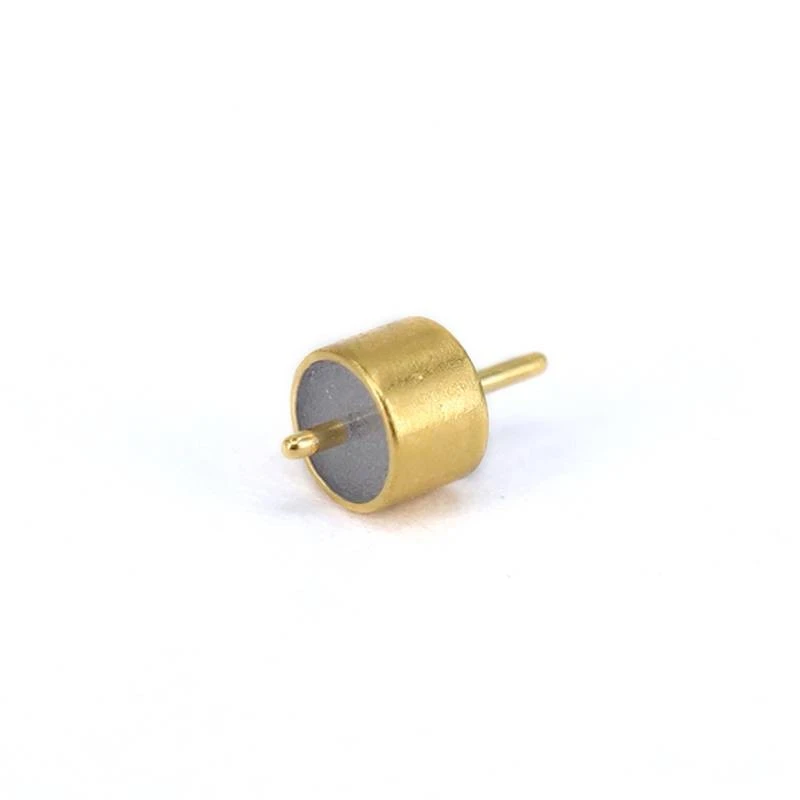
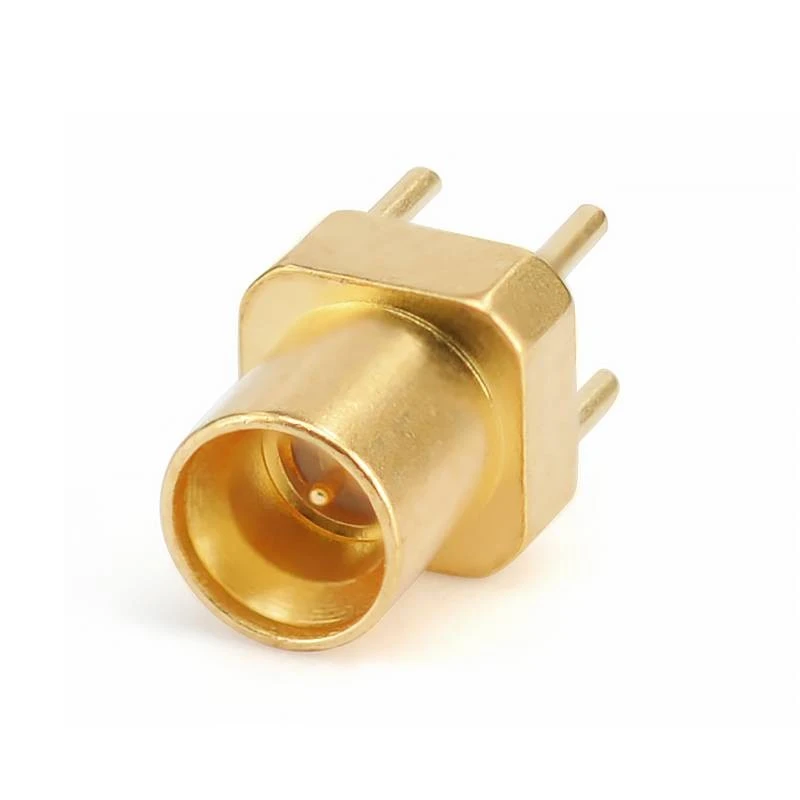
Our PCB connectors are designed for surface - mount or through - hole mounting on printed circuit boards, providing a reliable connection for RF signals in PCB - based applications. Our connector dust caps are used to protect the connectors from dust, dirt, and moisture, ensuring the long - term performance of the connectors. And our glass beads are used in the manufacturing of RF connectors to provide insulation and mechanical support.
Importance of Choosing the Right Connector
Choosing the right RF connector is crucial for the success of any RF system. When selecting an SMA RF connector, it's important to consider the maximum frequency requirements of the application, as well as other factors such as impedance, voltage standing wave ratio (VSWR), and power handling capacity.
Using a connector with a lower maximum frequency than required can result in signal loss, degradation, and reduced system performance. On the other hand, using a connector with a much higher maximum frequency than necessary may be more expensive and may not provide any significant benefits.
Contact Us for Your RF Connector Needs
If you're in the market for high - quality RF connectors, including SMA connectors, PCB Connectors, Connector Dust Caps, or Glass Beads, we're here to help. Our team of experts can assist you in choosing the right connector for your specific application, ensuring that you get the best performance and value for your investment.
We understand the importance of reliable and high - performance RF connectors in your projects. Whether you're working on a small - scale prototype or a large - scale industrial application, we have the products and expertise to meet your needs. Contact us today to discuss your RF connector requirements and start a procurement negotiation.
References
- Pozar, D. M. (2011). Microwave Engineering (4th ed.). Wiley.
- Collin, R. E. (2001). Foundations for Microwave Engineering (2nd ed.). McGraw - Hill.
- IEC 61169 - 5:2018, Radio - frequency connectors - Part 5: Sectional specification for radio - frequency coaxial connectors of type SMA.


