
What are the RF attenuators for RF amplifier testing applications?
Leave a message

Hey there, fellow RF enthusiasts! Today, I'm gonna talk about what RF attenuators are and why they're super important for RF amplifier testing applications. As a supplier of RF attenuators, I've seen firsthand how these little devices can make a huge difference in the testing process.
First off, let's break down what an RF attenuator is. In simple terms, it's a device that reduces the power of an RF signal without significantly distorting its waveform. Think of it like a dimmer switch for your RF signals. You can adjust the amount of attenuation, which is usually measured in decibels (dB), to control the strength of the signal going into your RF amplifier.
So, why do we need RF attenuators for RF amplifier testing? Well, there are a few key reasons.
Signal Level Adjustment
One of the main reasons is to adjust the input signal level to the RF amplifier. RF amplifiers have a specific input power range within which they operate optimally. If the input signal is too strong, it can cause the amplifier to saturate, leading to distortion and inaccurate test results. On the other hand, if the signal is too weak, the amplifier might not be able to amplify it effectively. RF attenuators allow us to fine - tune the input signal level to ensure that the amplifier is operating within its ideal range.
For example, let's say you're testing a high - gain RF amplifier. The signal source might be producing a very strong signal. By using an RF attenuator, you can reduce the signal strength to a level that the amplifier can handle without saturating.
Protecting Test Equipment
Another important reason is to protect your test equipment. High - power RF signals can damage sensitive test instruments such as spectrum analyzers and network analyzers. RF attenuators act as a buffer between the high - power signal source and the test equipment. They reduce the power of the signal before it reaches the test equipment, preventing potential damage.
Improving Measurement Accuracy
RF attenuators also help in improving the measurement accuracy. When testing an RF amplifier, you want to measure its gain, linearity, and other performance parameters accurately. By using an attenuator to control the input signal level, you can ensure that the amplifier is operating in a linear region, which makes the measurements more reliable.
Now, let's talk about the different types of RF attenuators that we offer and how they can be used in RF amplifier testing.
Fixed Attenuators
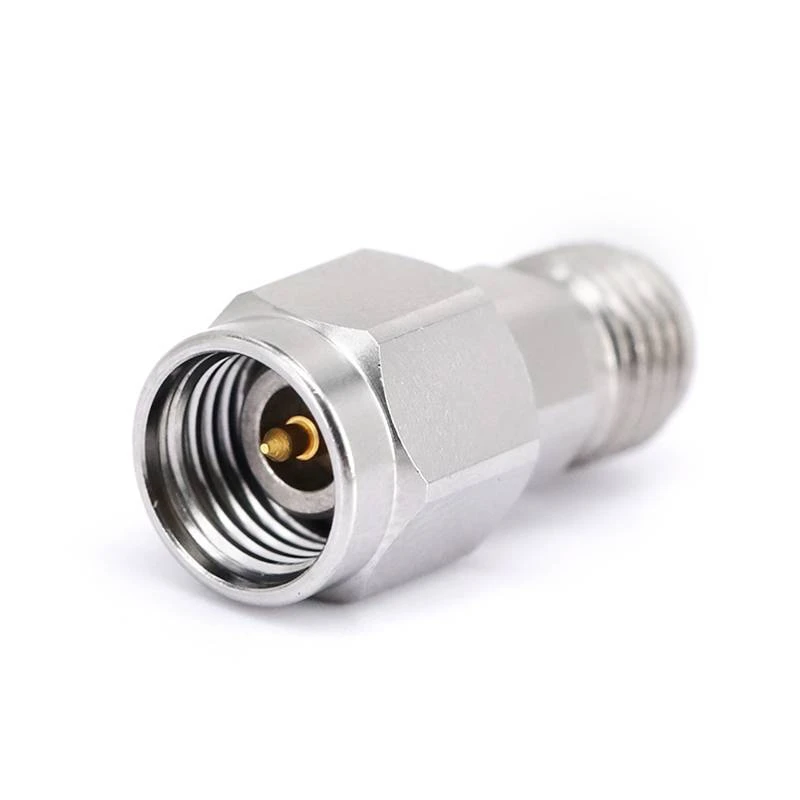
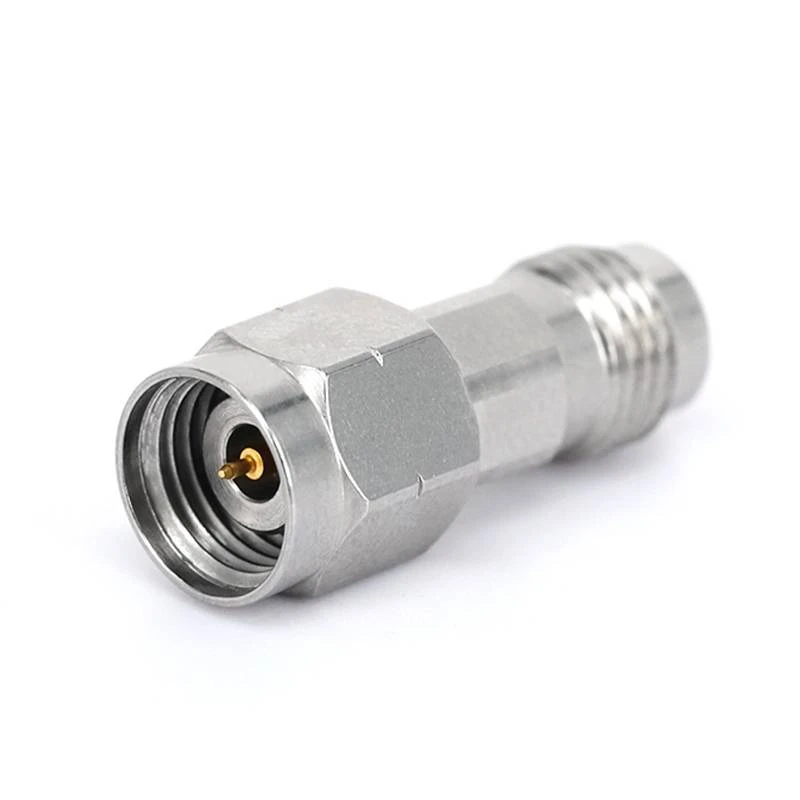
Fixed attenuators provide a constant amount of attenuation. They're simple, reliable, and cost - effective. We have a wide range of fixed attenuators available, including 1.85mm Attenuators, 2.4mm Attenuators, and 2.92mm Attenuators. These attenuators are suitable for applications where you need a specific, unchanging level of attenuation. For example, if you know that your RF amplifier requires an input signal that is 20 dB weaker than the output of your signal source, you can use a 20 dB fixed attenuator.
Variable Attenuators
Variable attenuators, as the name suggests, allow you to adjust the amount of attenuation. They're very useful when you need to test an RF amplifier under different input signal levels. You can gradually change the attenuation to see how the amplifier responds to varying signal strengths. This is great for testing the amplifier's linearity and dynamic range.
Step Attenuators
Step attenuators offer a series of discrete attenuation levels. You can select different attenuation steps, for example, 1 dB, 2 dB, 5 dB, etc. They provide a more precise way of adjusting the attenuation compared to variable attenuators in some cases. They're often used in applications where you need to make incremental changes to the input signal level.
When choosing an RF attenuator for RF amplifier testing, there are a few factors to consider.
Frequency Range
The frequency range of the attenuator should match the operating frequency of your RF amplifier. Different attenuators are designed to work at different frequency bands. Make sure you choose an attenuator that can handle the frequencies you're working with.
Attenuation Accuracy
The accuracy of the attenuation is crucial. You want an attenuator that provides the specified amount of attenuation within a certain tolerance. A high - accuracy attenuator will ensure that your test results are as accurate as possible.
Power Handling Capacity
The power handling capacity of the attenuator should be sufficient to handle the power of the input signal. If the input signal power exceeds the power handling capacity of the attenuator, it can overheat and cause inaccurate attenuation or even damage the attenuator.
In conclusion, RF attenuators are essential tools for RF amplifier testing. They allow us to adjust the input signal level, protect our test equipment, and improve the accuracy of our measurements. As a supplier of RF attenuators, we offer a wide range of products to meet your specific testing needs. Whether you need a fixed attenuator, a variable attenuator, or a step attenuator, we've got you covered.
If you're in the market for RF attenuators for your RF amplifier testing applications, don't hesitate to reach out. We're here to help you find the right attenuators for your needs. Let's have a chat about your requirements and see how we can assist you in getting the most accurate and reliable test results.
References
- Pozar, D. M. (2011). Microwave Engineering. Wiley.
- Collin, R. E. (2001). Foundations for Microwave Engineering. Wiley.


