
How to clean Coax Connectors?
Leave a message

Cleaning coax connectors is a crucial task that can significantly impact the performance of your RF systems. As a supplier of high - quality coax connectors, I've seen firsthand how dirty connectors can lead to signal loss, interference, and overall system degradation. In this blog, I'll share some practical tips on how to clean coax connectors effectively.
Why Cleaning Coax Connectors Matters
Before we dive into the cleaning process, let's understand why it's so important. Coax connectors are used to transmit radio frequency (RF) signals in a wide range of applications, from telecommunications to aerospace. Over time, these connectors can accumulate dirt, dust, oxidation, and other contaminants. Even a small amount of debris can disrupt the electrical contact between the connector and the cable, causing signal attenuation and reflection. This can result in poor signal quality, dropped calls, and reduced data transfer speeds.
Tools and Materials You'll Need
To clean coax connectors, you'll need a few basic tools and materials:
- Isopropyl Alcohol: This is a common and effective cleaning agent for removing dirt, grease, and oxidation. Make sure to use at least 90% pure isopropyl alcohol for best results.
- Lint - free Cloths or Swabs: These are essential for applying the cleaning solution and wiping away the contaminants. Avoid using regular paper towels, as they can leave behind lint and fibers.
- Contact Cleaner Spray: In some cases, a specialized contact cleaner spray can be used to remove stubborn dirt and oxidation. Look for a spray that is designed for use on RF connectors.
- Fine - grit Sandpaper or Emery Cloth: For connectors with heavy oxidation, you may need to use a fine - grit sandpaper or emery cloth to gently remove the oxide layer. However, be careful not to damage the connector surface.
Step - by - Step Cleaning Process
Step 1: Disconnect the Connector
The first step is to disconnect the coax connector from the device or cable. This will prevent any electrical damage and make it easier to access the connector for cleaning. Make sure to handle the connector carefully to avoid bending or damaging the pins.
Step 2: Inspect the Connector
Before you start cleaning, take a close look at the connector to assess the level of contamination. Look for signs of dirt, dust, oxidation, or corrosion. If the connector is severely damaged or corroded, it may need to be replaced rather than cleaned.
Step 3: Clean the Exterior
Use a lint - free cloth or swab dampened with isopropyl alcohol to clean the exterior of the connector. Gently wipe away any dirt, dust, or fingerprints. Pay special attention to the threads and the outer shell of the connector.

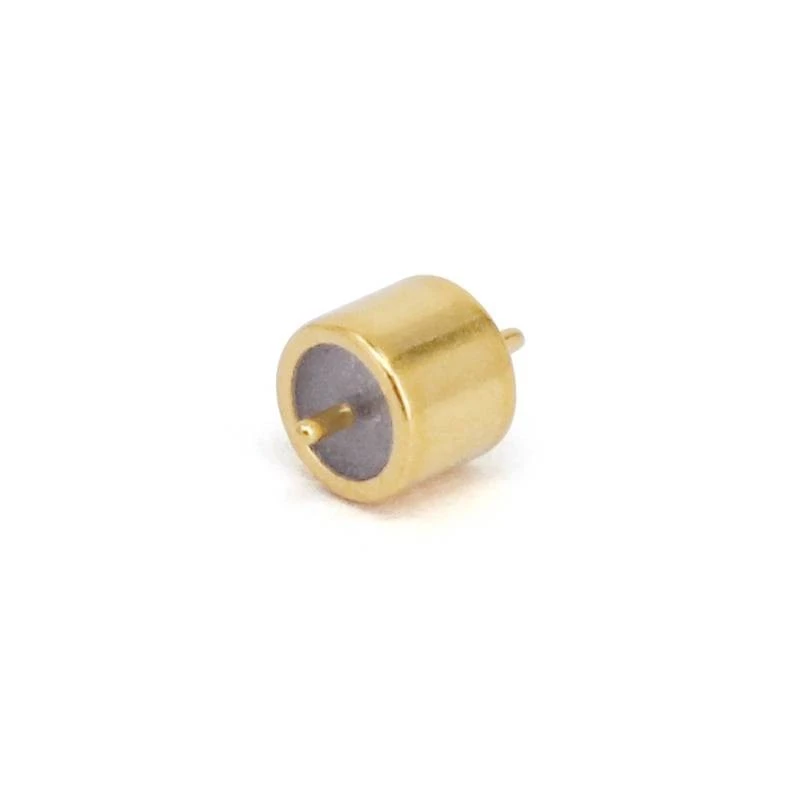
Step 4: Clean the Contact Points
The contact points are the most critical part of the connector, as they are responsible for transmitting the RF signal. Dip a lint - free swab in isopropyl alcohol and carefully clean the contact points. Make sure to reach all the nooks and crannies of the connector. If there is heavy oxidation on the contact points, you can use a fine - grit sandpaper or emery cloth to gently remove the oxide layer. However, be very gentle to avoid scratching the surface.
Step 5: Use Contact Cleaner Spray (Optional)
If the dirt or oxidation is particularly stubborn, you can use a contact cleaner spray. Spray a small amount of the cleaner onto the contact points and let it sit for a few seconds. Then, use a lint - free swab to wipe away the dissolved contaminants.
Step 6: Dry the Connector
After cleaning, use a dry lint - free cloth or swab to dry the connector thoroughly. Make sure there is no moisture left on the connector, as this can cause further oxidation or corrosion.
Step 7: Reconnect the Connector
Once the connector is dry, carefully reconnect it to the device or cable. Make sure the connection is secure and tight, but avoid over - tightening, as this can damage the connector.
Special Considerations for Different Types of Coax Connectors
Glass Beads
Some coax connectors use Glass Beads for insulation and support. When cleaning these connectors, be extra careful not to damage the glass beads. Use a very gentle touch when applying the cleaning solution and wiping the connector. If you notice any cracks or damage to the glass beads, the connector may need to be replaced.
Field Replaceable Connectors
Field Replaceable Connectors are designed to be easily replaced in the field. When cleaning these connectors, make sure to follow the manufacturer's instructions. Some field - replaceable connectors may require special cleaning tools or techniques.
Multi - coax Connectors
Multi - coax Connectors have multiple contact points, which can make them more challenging to clean. Use a small, precision swab to clean each individual contact point. Pay close attention to the spaces between the contacts to ensure all contaminants are removed.
Regular Maintenance
To keep your coax connectors in top condition, it's important to perform regular maintenance. This includes cleaning the connectors periodically, especially in environments where they are exposed to dust, dirt, or moisture. You should also inspect the connectors for signs of wear and tear and replace them if necessary.
Conclusion
Cleaning coax connectors is a simple but essential task that can have a big impact on the performance of your RF systems. By following the steps outlined in this blog, you can ensure that your connectors are clean and functioning properly. As a supplier of high - quality coax connectors, I'm here to provide you with the best products and support. If you have any questions about coax connectors or need help with your RF system, feel free to reach out to me for a procurement discussion. I'll be more than happy to assist you in finding the right solutions for your needs.
References
- RF Connector Handbook, various editions
- Manufacturer's specifications for coax connectors


