

What is an omnidirectional antenna?
Leave a message

What is an omnidirectional antenna? Well, let me break it down for you. As an antennas supplier, I've dealt with all sorts of antennas, and omnidirectional antennas are pretty special.
First off, an omnidirectional antenna is designed to radiate or receive radio - frequency (RF) signals uniformly in all directions in a horizontal plane. Picture it like a 360 - degree circle. Imagine you're standing in the middle of a room, and you can hear sounds from all around you equally well. That's kind of how an omnidirectional antenna works in the RF world.
These antennas are super useful in a bunch of different scenarios. For example, in Wi - Fi networks. If you have a small office or a home, an omnidirectional Wi - Fi antenna can provide a consistent signal throughout the area. You don't have to worry about pointing it in a specific direction to get good coverage. It just spreads the signal all around.
In the world of mobile communication too, omnidirectional antennas play a big role. Cell towers often use omnidirectional antennas to cover a wide area. They can send and receive signals from mobile devices in all directions around the tower. This helps ensure that mobile users within the coverage range can stay connected, whether they're walking, driving, or just standing still.
Now, let's talk about how they work. Omnidirectional antennas typically use a vertical radiator. This vertical element is what allows the antenna to radiate the RF energy evenly in the horizontal plane. The most common type of omnidirectional antenna is the dipole antenna. A dipole antenna consists of two conductive elements that are usually a half - wavelength long. When an RF current is applied to the dipole, it creates an electromagnetic field that radiates outwards in all directions horizontally.
There are also other types of omnidirectional antennas, like the monopole antenna. A monopole antenna is similar to a dipole, but it only has one conductive element and usually needs a ground plane to work properly. Monopole antennas are often used in portable devices because they're more compact.
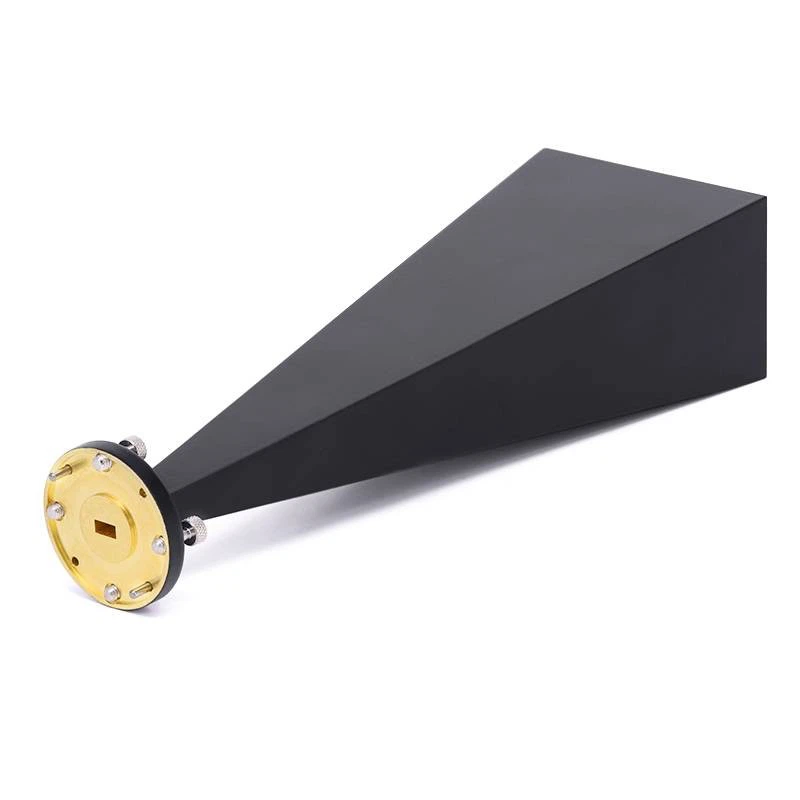
Compared to directional antennas, omnidirectional antennas have their pros and cons. Directional antennas, like Log - periodic Antennas and Horn Antennas, focus their energy in a specific direction. This means they can have a higher gain in that direction, which is great for long - range communication. But you have to point them correctly. Omnidirectional antennas, on the other hand, sacrifice some gain for the convenience of having coverage in all directions.
When it comes to choosing an omnidirectional antenna, there are a few things to consider. One of the most important factors is the frequency range. Different applications require different frequency bands. For example, Wi - Fi operates in the 2.4 GHz and 5 GHz bands, so you'd need an omnidirectional antenna that can handle those frequencies.
Another factor is the gain of the antenna. Gain is a measure of how well an antenna can focus the RF energy. Higher gain omnidirectional antennas can provide better coverage over a larger area, but they might also be more expensive.
The radiation pattern is also crucial. You want to make sure that the antenna's radiation pattern matches your specific needs. Some omnidirectional antennas might have a more spherical radiation pattern, while others might be more focused in the horizontal plane.
As an antennas supplier, I've seen firsthand how important it is to choose the right antenna for the job. Whether you're setting up a small home network or a large - scale communication system, getting the right omnidirectional antenna can make a huge difference.
If you're in the market for an omnidirectional antenna or any other type of antenna, I'd love to help you out. I've got a wide range of antennas in stock, and I can offer expert advice on which one is best for your specific situation. Don't hesitate to reach out if you have any questions or if you're ready to start the procurement process. We can have a detailed discussion about your requirements and find the perfect antenna solution for you.

In conclusion, omnidirectional antennas are a versatile and essential part of the RF world. They offer 360 - degree coverage, which is ideal for many applications. Whether you're a homeowner looking to improve your Wi - Fi signal or a telecom company building a new cell tower, there's an omnidirectional antenna out there for you. So, if you're thinking about upgrading or setting up a new antenna system, consider an omnidirectional antenna, and let's have a chat about how I can assist you.
References
- Antenna Theory and Design textbooks
- Industry whitepapers on RF communication
- Technical specifications from antenna manufacturers


