
What is the bandwidth of VNA test cables?
Leave a message

In the realm of RF and microwave testing, Vector Network Analyzers (VNAs) are indispensable tools, and the test cables used in conjunction with them play a crucial role in ensuring accurate and reliable measurements. One of the key specifications of VNA test cables is their bandwidth. In this blog post, I'll delve into what the bandwidth of VNA test cables means, why it matters, and how it impacts your testing applications. As a supplier of VNA Test Cables, I've witnessed firsthand the importance of understanding cable bandwidth and its implications for our customers.
What is Bandwidth?
Bandwidth, in the context of VNA test cables, refers to the range of frequencies over which the cable can effectively transmit signals with acceptable levels of attenuation, return loss, and phase stability. It is typically specified as a frequency range, for example, from DC (0 Hz) up to a certain maximum frequency such as 26.5 GHz, 40 GHz, or even higher. The bandwidth of a cable determines the frequencies at which it can be used for accurate measurements in VNA applications.
The concept of bandwidth is closely related to the electrical characteristics of the cable, including its capacitance, inductance, and resistance. These properties affect how the cable responds to different frequencies of signals. At low frequencies, the cable may behave more like a simple conductor, with relatively low attenuation and good signal transfer. However, as the frequency increases, the cable's dielectric losses and skin effect become more significant, leading to increased attenuation and degradation of signal quality.
Why Does Bandwidth Matter?
The bandwidth of VNA test cables is a critical factor in determining the accuracy and reliability of your measurements. Here are some key reasons why it matters:
1. Frequency Range of Your Application
Different applications require different frequency ranges for testing. For example, in wireless communication systems, the frequencies used can range from a few hundred MHz to several GHz. If your VNA test cables have a limited bandwidth that does not cover the frequencies of your application, you may not be able to obtain accurate measurements. This can lead to incorrect analysis of your device under test (DUT) and potentially costly errors in product development or manufacturing.
2. Signal Integrity
A wider bandwidth allows the cable to transmit signals with less distortion and better phase stability. This is particularly important in high - speed digital and RF applications, where even small amounts of signal distortion can have a significant impact on the performance of the DUT. For instance, in 5G communication systems, which operate at millimeter - wave frequencies, maintaining signal integrity is crucial for achieving high data rates and reliable communication.
3. Calibration Accuracy
Calibration is an essential step in VNA measurements to ensure the accuracy of the results. The bandwidth of the test cables affects the calibration process. If the cables have a limited bandwidth, the calibration may not be valid across the entire frequency range of interest. This can introduce errors in the measurements, especially at frequencies near or beyond the cable's bandwidth limit. Using cables with a sufficient bandwidth helps to ensure that the calibration is accurate and that the measurements are reliable.
Factors Affecting the Bandwidth of VNA Test Cables
Several factors can influence the bandwidth of VNA test cables. Understanding these factors can help you select the right cables for your specific applications.
1. Cable Construction
The construction of the cable, including the type of conductor, dielectric material, and shielding, has a significant impact on its bandwidth. For example, cables with a high - quality dielectric material, such as PTFE (polytetrafluoroethylene), generally have lower dielectric losses and can support higher frequencies compared to cables with other dielectric materials. Similarly, the thickness and quality of the conductor and shielding can also affect the cable's performance at high frequencies.
2. Cable Length
The length of the cable is another important factor. Longer cables tend to have higher attenuation, especially at higher frequencies. As the signal travels through the cable, it loses energy due to resistance and dielectric losses. Therefore, for applications requiring high - frequency measurements, shorter cables are generally preferred to minimize attenuation and maintain signal integrity.
3. Connector Type
The connectors used at the ends of the cable can also affect its bandwidth. Different connector types have different frequency limitations based on their design and construction. For example, SMA connectors are commonly used for applications up to 18 GHz, while 2.92 mm and 2.4 mm connectors are designed for higher frequencies, up to 40 GHz and 50 GHz respectively. Choosing the right connector type for your application is essential to ensure that the cable can operate at the desired frequencies.
Selecting the Right Bandwidth for Your VNA Test Cables
When selecting VNA test cables, it's important to choose cables with a bandwidth that matches the requirements of your application. Here are some steps to help you make the right choice:
1. Determine Your Frequency Range
First, identify the frequency range of your application. Consider the minimum and maximum frequencies that you need to measure. This will give you a starting point for selecting cables with an appropriate bandwidth.
2. Consider Future Expansion
If you anticipate that your application may require testing at higher frequencies in the future, it may be wise to choose cables with a wider bandwidth than your current needs. This can save you the cost and hassle of having to replace the cables later.
3. Evaluate Cable Performance
In addition to bandwidth, consider other performance parameters such as attenuation, return loss, and phase stability. These parameters can also affect the accuracy of your measurements. Look for cables that offer good performance across the entire frequency range of your application.
Our VNA Test Cables and Bandwidth
As a supplier of VNA Test Cables, we offer a wide range of cables with different bandwidths to meet the diverse needs of our customers. Our cables are designed and manufactured using high - quality materials and advanced manufacturing processes to ensure excellent performance and reliability.
We have cables with bandwidths ranging from DC to 26.5 GHz, 40 GHz, and even higher. Whether you are working on low - frequency RF applications or high - speed millimeter - wave systems, we have the right cables for you. Our cables are also available in different lengths and with various connector types, allowing you to customize them to your specific requirements.
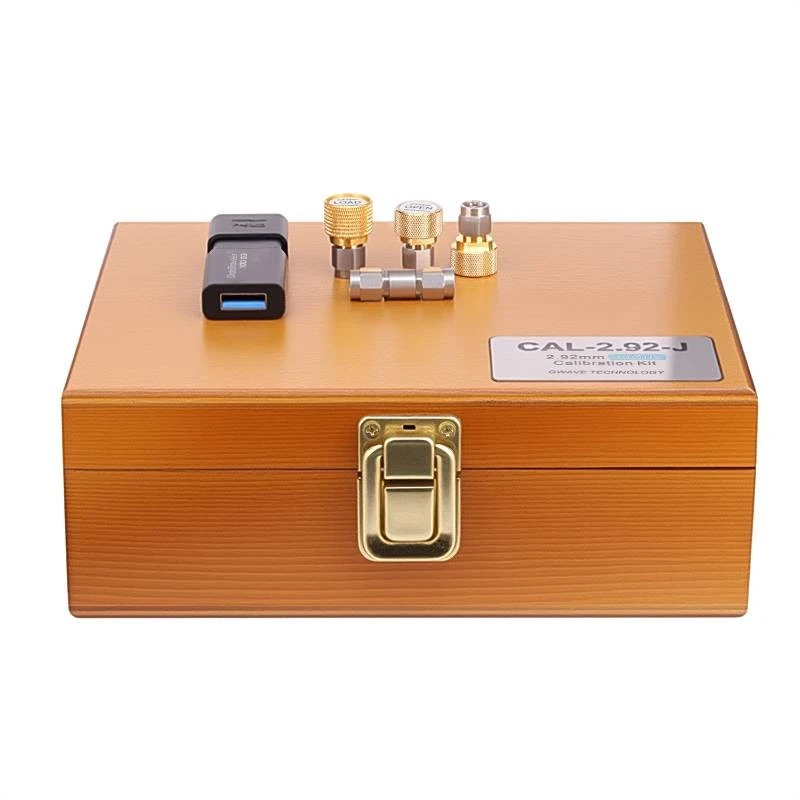
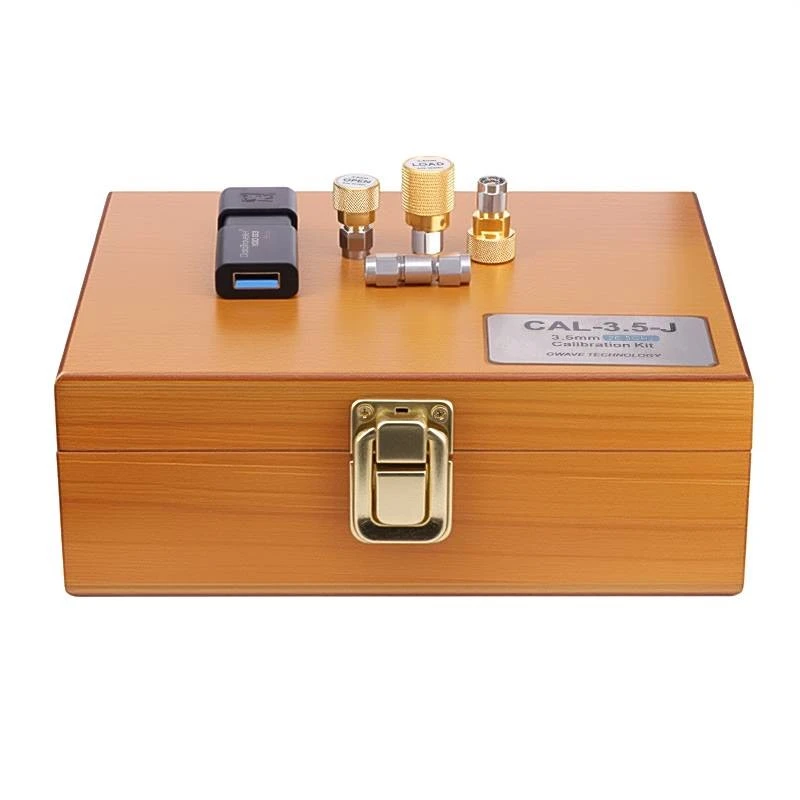
In addition to our standard VNA test cables, we also offer Calibration Kits to ensure the accuracy of your measurements. Our calibration kits are designed to work seamlessly with our test cables, providing a complete solution for your VNA testing needs.
Contact Us for Your VNA Test Cable Needs
If you are looking for high - quality VNA test cables with the right bandwidth for your application, we are here to help. Our team of experts can assist you in selecting the most suitable cables based on your specific requirements. We are committed to providing excellent customer service and ensuring that you get the best products for your testing needs.
Whether you are a research institution, a product development company, or a manufacturer, we can offer you the right solutions for your VNA testing applications. Contact us today to discuss your requirements and start a procurement negotiation. We look forward to working with you to achieve accurate and reliable measurements in your projects.
References
- Pozar, D. M. (2011). Microwave Engineering (4th ed.). Wiley.
- Collin, R. E. (1992). Foundations for Microwave Engineering (2nd ed.). McGraw - Hill.
- Gupta, K. C., et al. (1996). Microstrip Lines and Slotlines (2nd ed.). Artech House.


