

What is the corrosion resistance of VNA test cables?
Leave a message

Hey there! As a supplier of VNA Test Cables, I often get asked about the corrosion resistance of these cables. So, I thought I'd write this blog to shed some light on this important topic.
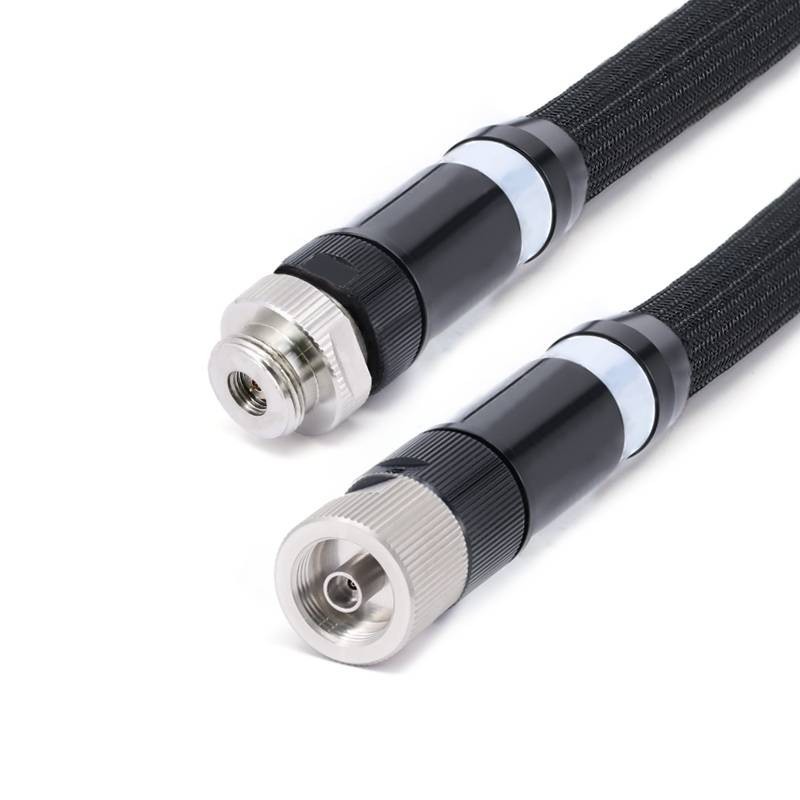
First off, let's understand what VNA test cables are. VNA stands for Vector Network Analyzer. These cables are used in a wide range of applications, from telecommunications to aerospace. They play a crucial role in accurately measuring the electrical properties of devices under test. But in many of these applications, the cables are exposed to various environmental conditions that can potentially cause corrosion.
Corrosion is basically the deterioration of a material due to chemical reactions with its environment. For VNA test cables, corrosion can be a real headache. It can affect the electrical performance of the cables, leading to inaccurate measurements. And in some cases, it can even cause the cables to fail completely.
So, what makes a VNA test cable corrosion-resistant? Well, it all starts with the materials used in its construction. The outer jacket of the cable is usually the first line of defense against corrosion. High-quality VNA test cables often use materials like polyethylene or fluoropolymers for the outer jacket. These materials are known for their excellent chemical resistance and can protect the inner components of the cable from moisture, chemicals, and other corrosive agents.
The conductors inside the cable are also important. Copper is a common choice for conductors in VNA test cables because of its good electrical conductivity. However, copper can corrode over time, especially in the presence of moisture and certain chemicals. To prevent this, the copper conductors are often coated with a thin layer of another metal, such as silver or gold. These coatings not only improve the corrosion resistance of the conductors but also enhance their electrical performance.
Another factor that affects the corrosion resistance of VNA test cables is the connector. Connectors are the parts of the cable that are used to connect it to other devices. They are often made of metal, which can be prone to corrosion. To address this, many VNA test cables use connectors that are made of corrosion-resistant materials, such as stainless steel or brass with a special coating.
In addition to the materials used, the design of the cable also plays a role in its corrosion resistance. A well-designed cable will have proper seals and gaskets to prevent moisture and other corrosive agents from entering the cable. It will also have a robust construction that can withstand mechanical stress and prevent damage to the inner components.
Now, let's talk about some real-world applications and how corrosion resistance matters. In the telecommunications industry, VNA test cables are used to test the performance of antennas and other communication equipment. These cables are often installed outdoors, where they are exposed to rain, humidity, and other environmental factors. If the cables are not corrosion-resistant, they can quickly degrade, leading to signal loss and poor performance.
In the aerospace industry, VNA test cables are used in the testing and maintenance of aircraft systems. These cables need to be able to withstand extreme temperatures, high altitudes, and exposure to various chemicals. Corrosion resistance is crucial in this environment to ensure the reliability and safety of the aircraft.
So, how can you ensure that you're getting corrosion-resistant VNA test cables? Well, the first step is to choose a reputable supplier. Look for a supplier that has a good track record of providing high-quality cables. They should be able to provide you with detailed information about the materials used in the cables and their corrosion resistance properties.
You can also ask for samples of the cables and conduct your own tests. For example, you can expose the cables to a controlled environment with a certain level of moisture and chemicals and see how they perform over time. This will give you a better idea of the actual corrosion resistance of the cables.
Another important thing to consider is the maintenance of the cables. Even the most corrosion-resistant cables need to be properly maintained to ensure their long-term performance. This includes keeping the cables clean, dry, and free from damage. You should also follow the manufacturer's recommendations for storage and handling of the cables.
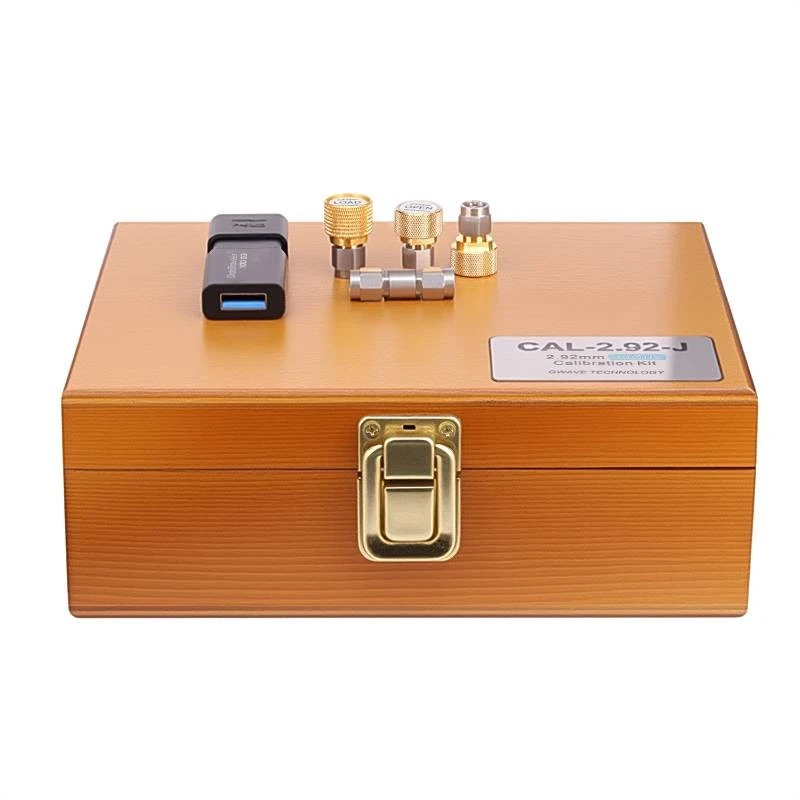
If you're in the market for VNA test cables, it's also a good idea to invest in Calibration Kits. These kits are used to calibrate the VNA and the test cables to ensure accurate measurements. A properly calibrated cable will perform better and have a longer lifespan.
In conclusion, the corrosion resistance of VNA test cables is a critical factor that can affect their performance and lifespan. By choosing high-quality cables made from corrosion-resistant materials, properly maintaining them, and using calibration kits, you can ensure that your VNA test cables will provide accurate measurements and reliable performance for years to come.
If you're interested in purchasing VNA test cables or have any questions about their corrosion resistance, feel free to reach out. We're here to help you find the right cables for your needs and ensure that you get the best value for your money.
References
- "Cable Materials and Their Properties" - Electrical Engineering Handbook
- "Corrosion Prevention in Electronic Components" - Journal of Electronic Materials


