

What is the frequency range of VNA test cables?
Leave a message

As a supplier of VNA Test Cables, I often get asked about the frequency range of these essential components in the field of test and measurement. In this blog, I'll delve into the details of the frequency range of VNA test cables, why it matters, and how it impacts your testing applications.
Understanding VNA Test Cables
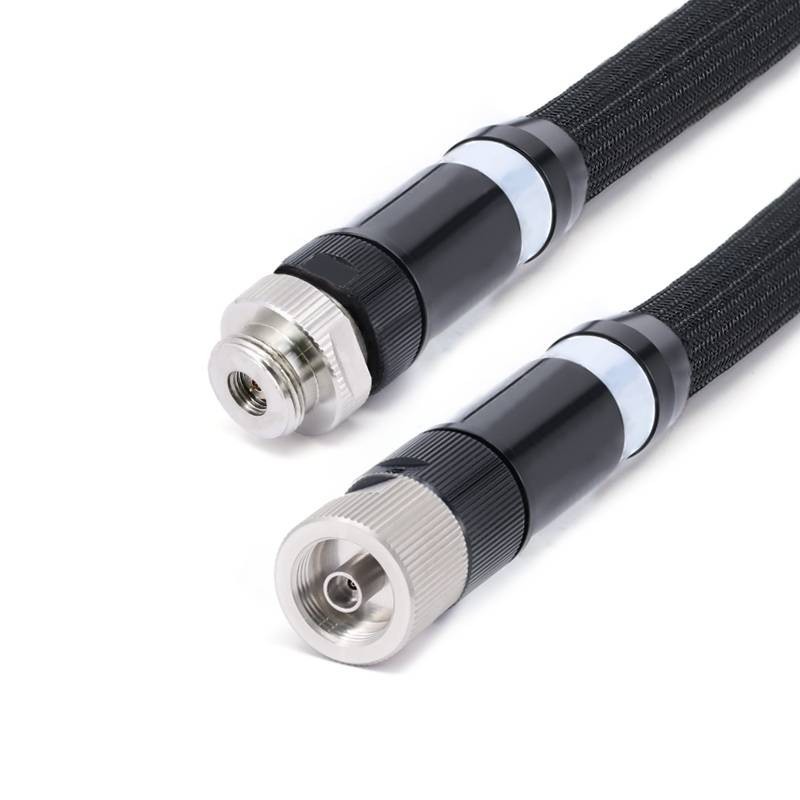
VNA, or Vector Network Analyzer, is a powerful tool used to measure the network parameters of electrical networks. VNA test cables are the crucial link between the VNA and the Device Under Test (DUT). They are designed to accurately transmit the test signals from the VNA to the DUT and back, ensuring reliable and precise measurements.
VNA Test Cables are engineered to meet the demanding requirements of high - frequency testing. They come in various types, including flexible, semi - rigid, and conformable cables, each with its own set of characteristics and applications. You can explore our wide range of VNA Test Cables to find the one that suits your needs.
The Frequency Range of VNA Test Cables
The frequency range of VNA test cables is a key specification that determines the suitability of the cable for different testing applications. It refers to the range of frequencies over which the cable can effectively transmit signals with acceptable levels of attenuation, return loss, and phase stability.
Low - Frequency Range
Most VNA test cables can handle frequencies starting from a few kilohertz (kHz). At low frequencies, the electrical characteristics of the cable are relatively stable, and the attenuation is minimal. This low - frequency range is often used for basic electrical testing, such as measuring the resistance and capacitance of components.
High - Frequency Range
The high - frequency limit of VNA test cables can vary significantly depending on the cable type and construction. For standard flexible VNA test cables, the upper frequency limit can range from 26.5 GHz to 40 GHz. These cables are commonly used in general - purpose RF and microwave testing applications.
Semi - rigid cables, on the other hand, can offer much higher frequency capabilities. They can typically operate up to 67 GHz or even higher in some cases. Semi - rigid cables are preferred for high - performance applications where low loss and excellent phase stability are required, such as in the aerospace and defense industries.
Conformable cables are a compromise between flexible and semi - rigid cables. They offer a good balance of flexibility and high - frequency performance, with frequency ranges typically up to 40 GHz.
Importance of the Frequency Range
The frequency range of VNA test cables is of utmost importance for several reasons:
Measurement Accuracy
Using a VNA test cable with an appropriate frequency range is essential for accurate measurements. If the cable's frequency range is too low for the test frequency, the signal attenuation will be excessive, leading to inaccurate readings. On the other hand, using a cable with a much higher frequency range than necessary can be more expensive and may not provide any additional benefits.
Compatibility with the DUT
The frequency range of the cable must be compatible with the frequency characteristics of the Device Under Test (DUT). For example, if you are testing a high - frequency RF component that operates at 30 GHz, you need a VNA test cable that can handle frequencies up to at least 30 GHz.
System Performance
In a VNA testing system, the overall performance is heavily influenced by the performance of the test cables. A cable with a wide and appropriate frequency range can help maintain the integrity of the test signals, ensuring that the VNA can accurately measure the network parameters of the DUT.
Factors Affecting the Frequency Range
Several factors can affect the frequency range of VNA test cables:
Cable Construction
The construction of the cable, including the type of conductor, dielectric material, and shielding, plays a significant role in determining its frequency range. For example, cables with high - quality dielectric materials, such as PTFE (Polytetrafluoroethylene), can offer better high - frequency performance due to their low loss characteristics.
Connector Type
The type of connectors used on the cable also affects its frequency range. High - quality connectors, such as SMA (Sub - Miniature version A), 2.92 mm, and 1.85 mm connectors, are designed to handle high frequencies and provide a good electrical connection. Using the wrong connector type can limit the cable's frequency performance.
Cable Length
The length of the cable can impact its frequency range. Longer cables generally have higher attenuation, especially at high frequencies. Therefore, it is important to choose the appropriate cable length based on the test requirements and the available space in the testing setup.
Calibration and the Frequency Range
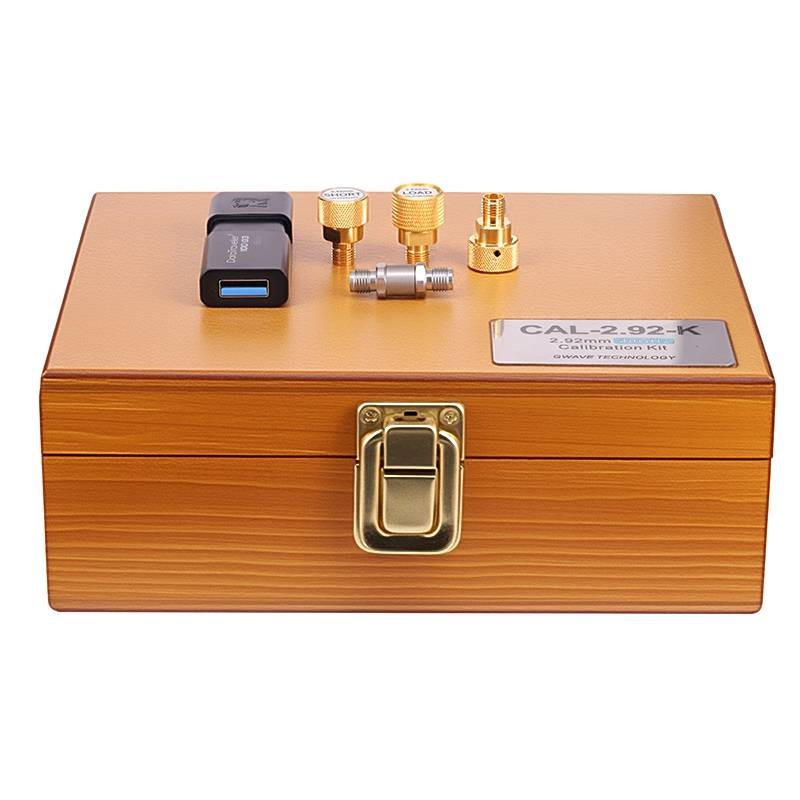
Calibration is an essential step in VNA testing to ensure accurate measurements. Calibration Kits are used to compensate for the errors introduced by the test cables, connectors, and the VNA itself.
The calibration process is typically performed over a specific frequency range. It is important to ensure that the calibration frequency range matches the frequency range of the VNA test cables and the DUT. If the calibration is not performed correctly, the measurement results may be inaccurate, especially at the edges of the frequency range.
Choosing the Right VNA Test Cable Based on Frequency Range
When choosing a VNA test cable, it is crucial to consider the frequency range of your testing application. Here are some steps to help you make the right choice:
- Determine the Test Frequency: Identify the frequency range of the signals you need to measure. This will give you a clear idea of the minimum frequency range required for the cable.
- Consider the Application Requirements: If you are working on a high - performance application, such as 5G testing or satellite communication, you may need a cable with a wider and higher - frequency range. For general - purpose testing, a standard flexible cable with a moderate frequency range may be sufficient.
- Evaluate the Cable Characteristics: Look at other cable characteristics, such as attenuation, return loss, and phase stability, in addition to the frequency range. These factors can also affect the measurement accuracy and the overall performance of the testing system.
Conclusion
The frequency range of VNA test cables is a critical specification that directly impacts the accuracy and reliability of your VNA measurements. As a supplier of VNA Test Cables, we understand the importance of providing cables with the right frequency range for your specific applications.
If you are in the market for VNA test cables or have any questions about the frequency range and its implications, please don't hesitate to contact us. Our team of experts is ready to assist you in choosing the best cables for your testing needs and guide you through the procurement process.
References
- [Microwave and RF Engineering Handbook](Author, Publisher, Year)
- [VNA Testing Guidelines](Organization, Year)


