

What is the relationship between connector loads and contact force?
Leave a message

In the realm of electrical and electronic systems, connectors play a pivotal role in ensuring seamless signal transmission and power delivery. Among the various factors that influence the performance of connectors, the relationship between connector loads and contact force is a topic of significant importance. As a supplier of connector loads, I have witnessed firsthand the intricate interplay between these two elements and their impact on the overall functionality of connectors. In this blog post, I will delve into the details of this relationship, exploring how connector loads and contact force interact and why understanding this dynamic is crucial for optimal connector performance.
Understanding Connector Loads
Connector loads refer to the electrical or mechanical demands placed on a connector during its operation. These loads can vary widely depending on the application and the specific requirements of the system. Electrical loads include factors such as current, voltage, and frequency, while mechanical loads encompass forces such as vibration, shock, and thermal expansion.
In the context of electrical signals, connector loads can have a profound impact on signal integrity. High currents can cause heating and voltage drops, which can degrade the quality of the signal. Similarly, high frequencies can introduce impedance mismatches and signal reflections, leading to signal distortion and loss. On the mechanical side, excessive vibration or shock can cause the connector contacts to loosen or separate, resulting in intermittent connections or complete failure.
The Role of Contact Force
Contact force is the pressure applied between the mating contacts of a connector. It is a critical parameter that directly affects the electrical and mechanical performance of the connector. A sufficient contact force is essential for establishing and maintaining a reliable electrical connection between the contacts.
When the contact force is too low, the electrical resistance between the contacts increases, leading to higher power losses and potential overheating. This can also result in poor signal transmission and increased susceptibility to noise and interference. On the other hand, excessive contact force can cause damage to the contacts, such as deformation or wear, which can ultimately lead to connector failure.
The Relationship between Connector Loads and Contact Force
The relationship between connector loads and contact force is complex and interdependent. In general, as the connector loads increase, the required contact force also increases to ensure a reliable connection. This is because higher loads place greater demands on the electrical and mechanical properties of the connector, and a stronger contact force is needed to maintain the integrity of the connection.
For example, in high-current applications, a higher contact force is necessary to reduce the electrical resistance between the contacts and prevent overheating. Similarly, in applications with high vibration or shock, a stronger contact force is required to keep the contacts securely mated and prevent intermittent connections.
However, it is important to note that the relationship between connector loads and contact force is not always linear. Other factors, such as the material properties of the contacts, the surface finish of the contacts, and the design of the connector, can also influence the required contact force. For instance, a connector with a more robust design or a better surface finish may require a lower contact force to achieve the same level of performance as a connector with a less optimal design or surface finish.
Factors Affecting the Relationship
Several factors can affect the relationship between connector loads and contact force. These include:
- Contact Material: Different contact materials have different electrical and mechanical properties, which can influence the required contact force. For example, materials with high conductivity and low resistivity, such as copper or silver, may require a lower contact force to achieve a good electrical connection compared to materials with lower conductivity.
- Surface Finish: The surface finish of the contacts can also have a significant impact on the contact force. A smooth and clean surface finish can reduce the friction between the contacts and improve the electrical conductivity, allowing for a lower contact force. Conversely, a rough or dirty surface finish can increase the friction and require a higher contact force to maintain a reliable connection.
- Connector Design: The design of the connector, including the shape and size of the contacts, the mating mechanism, and the housing material, can affect the contact force. A well-designed connector with a proper mating mechanism and a suitable housing material can distribute the contact force evenly and reduce the stress on the contacts, resulting in a more reliable connection.
- Environmental Conditions: The environmental conditions in which the connector operates, such as temperature, humidity, and corrosion, can also affect the contact force. For example, high temperatures can cause the contacts to expand, increasing the contact force, while high humidity or corrosion can cause the contacts to oxidize or corrode, reducing the contact force and increasing the electrical resistance.
Importance of Optimizing the Relationship
Optimizing the relationship between connector loads and contact force is crucial for ensuring the reliable performance of connectors in various applications. By selecting the appropriate contact force for a given connector load, it is possible to minimize power losses, improve signal integrity, and extend the lifespan of the connector.
In addition, optimizing the relationship between connector loads and contact force can also help to reduce the cost of the connector system. By using a lower contact force when possible, it is possible to reduce the stress on the contacts and the connector components, which can lead to a longer lifespan and fewer replacements. This can result in significant cost savings over the lifetime of the system.

Applications and Examples
The relationship between connector loads and contact force is relevant in a wide range of applications, including telecommunications, automotive, aerospace, and industrial automation. Here are some examples:
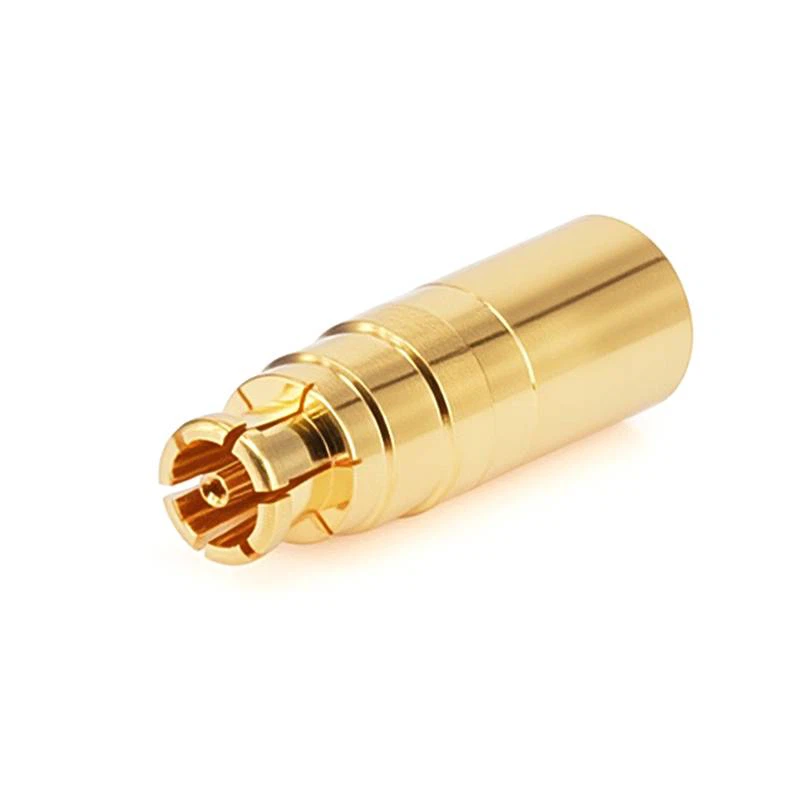
- Telecommunications: In telecommunications applications, connectors are used to transmit high-speed data signals. A proper contact force is essential for ensuring the reliable transmission of these signals and minimizing signal loss and interference. For example, 1.0mm RF Loads are commonly used in telecommunications systems, and the contact force needs to be carefully optimized to ensure the performance of these loads.
- Automotive: In automotive applications, connectors are exposed to harsh environmental conditions, such as high vibration, shock, and temperature variations. A sufficient contact force is necessary to maintain a reliable electrical connection between the various components of the vehicle, such as the engine control unit, the sensors, and the lighting system. GPPO RF Loads are used in automotive RF systems, and the contact force plays a crucial role in their performance.
- Aerospace: In aerospace applications, connectors are required to operate in extreme conditions, including high altitudes, low temperatures, and high radiation levels. A strong contact force is essential for ensuring the reliability of the electrical connections in these applications, which are critical for the safety and performance of the aircraft. 2.4mm RF Loads are used in aerospace RF systems, and the contact force needs to be carefully considered to meet the stringent requirements of these applications.
- Industrial Automation: In industrial automation applications, connectors are used to connect various sensors, actuators, and control systems. A reliable electrical connection is essential for the proper operation of these systems, and the contact force needs to be optimized to ensure the performance and longevity of the connectors.
Conclusion
In conclusion, the relationship between connector loads and contact force is a complex and critical aspect of connector design and performance. By understanding this relationship and optimizing the contact force for a given connector load, it is possible to ensure the reliable performance of connectors in various applications.
As a supplier of connector loads, we are committed to providing our customers with high-quality products that are designed to meet the specific requirements of their applications. We have a team of experienced engineers who can work with you to select the appropriate connector loads and optimize the contact force to ensure the best possible performance of your connector system.
If you are interested in learning more about our connector loads or have any questions about the relationship between connector loads and contact force, please feel free to contact us. We would be happy to discuss your needs and provide you with the information and support you need to make an informed decision.
References
- [1] Johnson, D. E., & Graham, R. M. (2003). Contact Resistance and Surface Engineering. CRC Press.
- [2] Mallick, P. K. (2008). Composite Materials Design and Applications. CRC Press.
- [3] Radel, R. M., & Rasmussen, J. M. (2013). Polymer Science and Technology. Wiley.


