
What is the polarization characteristics of an antenna using an SMA Adapter?
Leave a message

Polarization characteristics are crucial aspects when it comes to understanding the performance of antennas, especially those integrated with SMA Adapters. As a trusted SMA Adapter supplier, I am well - versed in the technicalities of how these adapters interact with antennas and influence their polarization properties.
Fundamentals of Antenna Polarization
Antenna polarization refers to the orientation of the electric field vector of an electromagnetic wave radiated by an antenna. There are three main types of polarization: linear, circular, and elliptical.
Linear polarization occurs when the electric field vector of the radiated wave oscillates in a single plane. It can be further classified into horizontal and vertical polarization. In horizontal polarization, the electric field vector lies parallel to the Earth's surface, while in vertical polarization, it is perpendicular to the surface.
Circular polarization is achieved when the electric field vector rotates in a circular path as the wave propagates. There are two types of circular polarization: right - hand circular polarization (RHCP) and left - hand circular polarization (LHCP). The rotation direction of the electric field vector determines whether it is RHCP or LHCP.
Elliptical polarization is a more general form, where the electric field vector traces an elliptical path as the wave travels. It is a combination of linear and circular polarization characteristics.
Role of SMA Adapters in Antenna Polarization
SMA (SubMiniature version A) Adapters are widely used in RF (Radio Frequency) systems due to their compact size, high - frequency performance, and ease of use. When an SMA Adapter is connected to an antenna, it can affect the polarization characteristics in several ways.
Firstly, the physical orientation of the SMA Adapter can influence the polarization of the antenna. For example, if an antenna is designed for vertical polarization and the SMA Adapter is installed in a way that it causes a misalignment, it may introduce some level of cross - polarization. Cross - polarization is the presence of an unwanted polarization component in addition to the desired polarization.
Secondly, the electrical properties of the SMA Adapter, such as its impedance and insertion loss, can also have an impact on the antenna's polarization. A poor - quality SMA Adapter with high insertion loss may cause a reduction in the signal strength of the desired polarization, while also potentially increasing the cross - polarization level.
Moreover, the frequency response of the SMA Adapter is important. Antennas are often designed to operate within a specific frequency range. If the SMA Adapter has a frequency response that does not match the antenna's operating frequency, it can lead to changes in the polarization characteristics. For instance, at frequencies outside the adapter's optimal range, the adapter may introduce phase shifts that can distort the polarization pattern.
Measuring Polarization Characteristics with SMA Adapters
To accurately measure the polarization characteristics of an antenna using an SMA Adapter, specialized test equipment is required. One common method is to use a network analyzer along with a polarization - measuring setup.
The network analyzer can be used to measure the scattering parameters (S - parameters) of the antenna - SMA Adapter combination. The S - parameters provide information about the reflection and transmission characteristics of the system. By analyzing the S - parameters at different frequencies, we can determine how the SMA Adapter affects the antenna's performance in terms of polarization.
Another approach is to use a polarization - measuring antenna. This antenna is designed to receive signals with different polarizations and can be used to measure the polarization pattern of the antenna under test. By comparing the measured polarization pattern with the expected pattern, we can identify any deviations caused by the SMA Adapter.
Impact of Different SMA Adapter Types on Polarization
There are various types of SMA Adapters available in the market, each with its own unique features that can affect antenna polarization. For example, 2.92mm Adapter is known for its high - frequency performance. When used with high - frequency antennas, it can maintain the polarization characteristics more accurately compared to some other types of adapters. This is because it has lower insertion loss and better impedance matching at high frequencies, which helps in preserving the desired polarization.
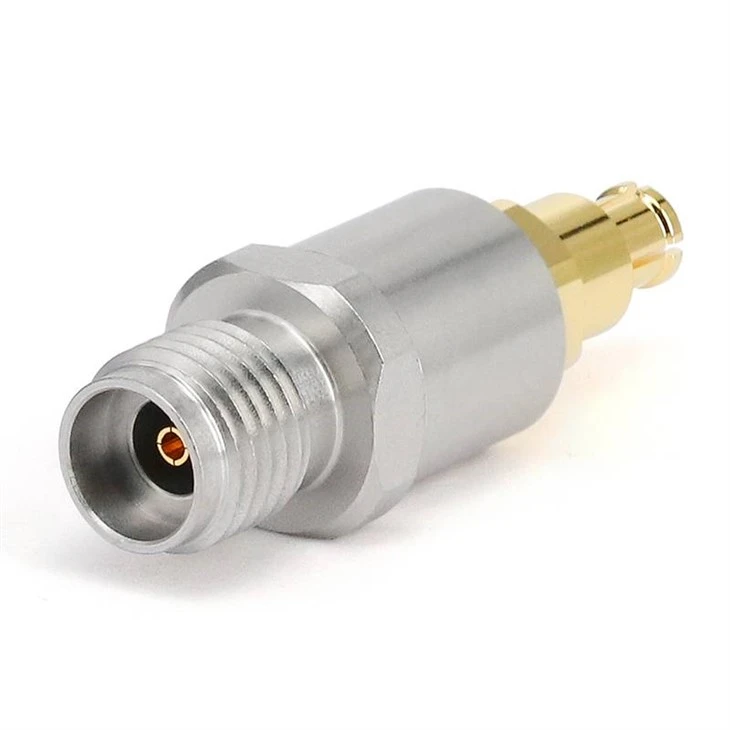
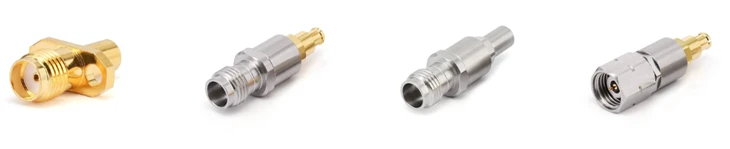
GPO SMP Adapter is another type that offers a different set of advantages. It is often used in applications where quick and reliable connections are required. However, its design may introduce some minor changes in the polarization characteristics, especially if not properly installed. The key is to ensure that the adapter is correctly aligned and tightened to minimize any negative impact on the antenna's polarization.
1.0mm Adapter is suitable for extremely high - frequency applications. At such high frequencies, the polarization characteristics are more sensitive to any changes in the RF path. A high - quality 1.0mm Adapter can help in maintaining the integrity of the antenna's polarization by providing low - loss and stable electrical connections.
Importance of Maintaining Polarization Integrity
Maintaining the correct polarization characteristics of an antenna is crucial for the proper functioning of RF systems. In communication systems, for example, if the polarization of the transmitting and receiving antennas does not match, it can lead to a significant reduction in the signal strength. This can result in poor communication quality, dropped calls, or data transfer errors.
In radar systems, accurate polarization is essential for target detection and identification. A change in the polarization characteristics can cause false alarms or missed detections, which can have serious consequences in security and military applications.
Ensuring Optimal Polarization with SMA Adapters
As an SMA Adapter supplier, I recommend several steps to ensure optimal polarization when using SMA Adapters with antennas.
Firstly, choose the right type of SMA Adapter based on the antenna's requirements. Consider factors such as the operating frequency, impedance, and insertion loss. A well - matched SMA Adapter will minimize the impact on the antenna's polarization.
Secondly, pay attention to the installation process. Make sure the SMA Adapter is properly aligned and tightened to the antenna. Any loose connections or misalignments can introduce cross - polarization and degrade the overall performance.
Regularly test and monitor the polarization characteristics of the antenna - SMA Adapter combination. Use the appropriate test equipment to detect any changes in the polarization pattern and take corrective actions if necessary.
Conclusion
In conclusion, understanding the polarization characteristics of an antenna using an SMA Adapter is essential for the successful operation of RF systems. SMA Adapters can have a significant impact on the antenna's polarization, and it is important to choose the right adapter, install it correctly, and monitor its performance.
If you are in the market for high - quality SMA Adapters or need more information about how they can affect antenna polarization, I encourage you to contact me for a detailed discussion. We can work together to find the best solutions for your specific RF system requirements.
References
- Balanis, C. A. (2016). Antenna Theory: Analysis and Design. Wiley.
- Pozar, D. M. (2011). Microwave Engineering. Wiley.
- Collin, R. E. (2001). Foundations for Microwave Engineering. Wiley.


