

Can I use an RF connector for power - line communication?
Leave a message

Can I use an RF connector for power - line communication?
Hey there! I'm a supplier of RF connectors, and I often get asked this question: Can I use an RF connector for power - line communication? Well, let's dive right in and explore this topic.
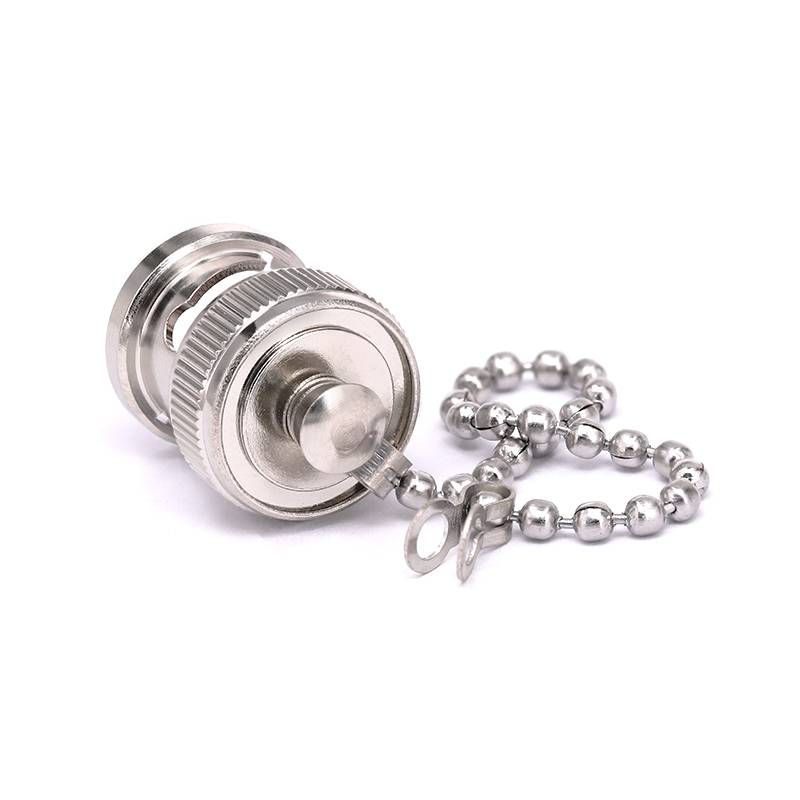
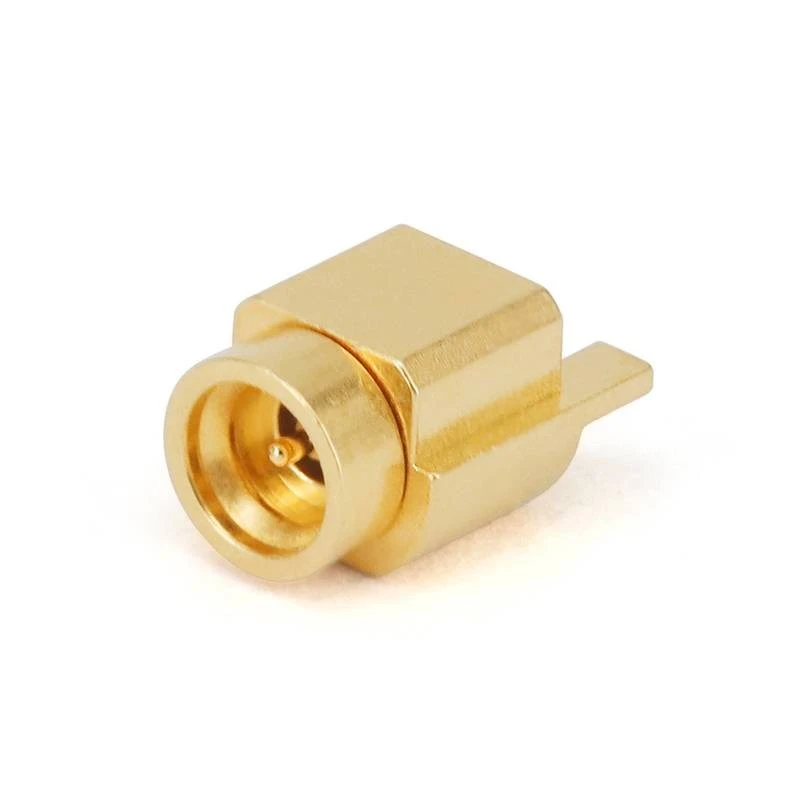
First off, let's understand what RF connectors and power - line communication are. RF connectors, as the name suggests, are used for radio - frequency applications. They're designed to transmit high - frequency electrical signals with minimal loss. We offer a wide range of RF connectors, like Glass Beads, PCB Connectors, and Connector Dust Caps. These connectors are built to handle specific frequencies and impedance requirements, ensuring that the signals are transmitted accurately.
On the other hand, power - line communication (PLC) is a technology that uses existing power lines to transmit data. It's a cost - effective way to establish communication networks, especially in areas where laying new communication cables is difficult or expensive. PLC can be used for various applications, such as smart grid management, home automation, and industrial control.
Now, the big question is whether an RF connector can be used for power - line communication. The short answer is: it depends.
Compatibility Factors
Frequency Range
RF connectors are typically designed for a specific frequency range. For example, some common RF connectors are used for frequencies ranging from a few megahertz to several gigahertz. Power - line communication, however, usually operates at much lower frequencies, typically in the kilohertz to low - megahertz range. If the frequency range of the RF connector doesn't match the frequency requirements of the power - line communication system, it won't work properly. Signals may be attenuated or distorted, leading to poor communication quality.
Impedance Matching
Impedance matching is crucial in both RF and power - line communication. In RF systems, connectors are carefully designed to have a specific impedance, usually 50 or 75 ohms. Power - line communication systems also have their own impedance characteristics. If the impedance of the RF connector doesn't match the impedance of the power - line communication circuit, there will be signal reflections. These reflections can cause interference and reduce the efficiency of the communication system.
Electrical Isolation
Power lines carry high - voltage electrical power, which can be dangerous. In power - line communication, proper electrical isolation is necessary to protect the communication equipment and the users. RF connectors are not always designed with the same level of electrical isolation as required for power - line communication. Using an RF connector that lacks adequate isolation can pose a safety risk.
When It Might Work
There are some situations where an RF connector could potentially be used for power - line communication.
Low - Power and Low - Frequency PLC
If the power - line communication system operates at very low power and low frequencies, and the RF connector has a frequency range that can cover these frequencies, it might work. For example, in some simple home automation applications where the communication distance is short and the data rate is low, an appropriately selected RF connector could be used.
Custom - Designed Systems
In custom - designed power - line communication systems, engineers can modify the RF connector or the communication circuit to make them compatible. They can adjust the impedance, add isolation components, and ensure that the frequency range is suitable. However, this requires a deep understanding of both RF and power - line communication technologies.
Advantages of Using RF Connectors in PLC (if possible)
If an RF connector can be used in power - line communication, there are some potential advantages.
High - Quality Signal Transmission
RF connectors are known for their ability to transmit high - quality signals with low loss. If they can be made compatible with power - line communication, they can improve the signal quality of the PLC system. This can result in more reliable communication and higher data transfer rates.
Availability and Variety
As an RF connector supplier, I know that there is a wide variety of RF connectors available in the market. This means that there are more options to choose from when designing a power - line communication system. Different connectors have different features, such as size, durability, and ease of installation. Engineers can select the most suitable connector based on their specific requirements.
Disadvantages and Challenges
However, there are also some significant disadvantages and challenges when considering using RF connectors for power - line communication.
Cost
RF connectors can be relatively expensive, especially high - quality ones. If a power - line communication system requires a large number of connectors, the cost can add up quickly. This may not be cost - effective, especially for large - scale applications.
Technical Complexity
Making an RF connector compatible with a power - line communication system is not easy. It requires technical expertise and specialized equipment. Small errors in impedance matching or frequency adjustment can lead to significant performance degradation. This means that additional time and resources are needed for testing and optimization.
Making the Decision
When deciding whether to use an RF connector for power - line communication, it's important to consider the specific requirements of the application. Here are some steps to follow:
Evaluate the System Requirements
Understand the frequency range, power level, data rate, and communication distance of the power - line communication system. Compare these requirements with the specifications of the RF connectors.
Consult an Expert
If you're not sure whether an RF connector is suitable for your power - line communication system, it's a good idea to consult an expert. An engineer with experience in both RF and power - line communication can provide valuable advice and help you make the right decision.
Conduct Tests
Before implementing an RF connector in a large - scale power - line communication project, conduct small - scale tests. This will allow you to evaluate the performance of the connector and make any necessary adjustments.
In conclusion, while it's possible to use an RF connector for power - line communication in some cases, it's not a straightforward solution. There are many factors to consider, and careful evaluation is needed. As a supplier of RF connectors, I'm always here to help you find the right solution for your communication needs. If you're interested in exploring the possibility of using RF connectors for your power - line communication project, feel free to reach out to me for more information and to discuss your specific requirements. We can work together to determine the best approach and ensure that your communication system works efficiently and reliably.
References
- "Power Line Communications: Principles, Standards, and Applications" by A. Ghosh and D. D. Stancil
- "RF Connectors: Theory and Practice" by Jerry Sevick
So, if you have any questions or are looking to purchase RF connectors for your power - line communication or other projects, don't hesitate to get in touch. Let's start a conversation and see how we can make your project a success!


