
What is the pull - out force of Coax Connectors?
Leave a message

What is the pull - out force of Coax Connectors?
As a supplier of Coax Connectors, I've encountered numerous inquiries from customers regarding the pull - out force of these crucial components. In this blog, I'll delve into what the pull - out force of Coax Connectors is, why it matters, and how it can impact your projects.
Understanding the Pull - out Force of Coax Connectors
The pull - out force of Coax Connectors refers to the amount of force required to separate a coax connector from its mating part. It is a critical mechanical characteristic that reflects the stability and reliability of the connection. When a coax connector is properly mated, it forms an electrical and mechanical bond with its counterpart. The pull - out force is a measure of how well this bond resists being broken when a pulling action is applied.
This force is typically measured in units of newtons (N) or pounds - force (lbf). Different types of coax connectors have different pull - out force requirements based on their design, application, and industry standards. For example, high - performance coax connectors used in aerospace or military applications may have a much higher pull - out force specification compared to those used in consumer electronics.
Factors Affecting the Pull - out Force
1. Connector Design
The design of the coax connector plays a significant role in determining its pull - out force. Connectors with a threaded coupling mechanism, such as the SMA (Sub - Miniature version A) or BNC (Bayonet Neill - Concelman) connectors, generally have a higher pull - out force compared to those with a push - on or snap - on design. The threads provide a more secure mechanical connection, which resists pulling forces more effectively.
For instance, the SMA connector, which is widely used in microwave applications, has a threaded coupling that allows for a tight and stable connection. When properly tightened, the threaded design can withstand a relatively high pull - out force, ensuring a reliable electrical connection even in demanding environments.
2. Material Quality
The materials used in the construction of the coax connector also impact its pull - out force. High - quality metals, such as brass or stainless steel, are commonly used for the outer shell of the connector. These materials offer greater strength and durability, which can contribute to a higher pull - out force.
The contact materials inside the connector are also crucial. Good quality contact materials, such as gold - plated copper alloys, not only provide excellent electrical conductivity but also help maintain a stable mechanical connection. A well - made contact can resist deformation and ensure a consistent pull - out force over time.
3. Mating Surface Condition
The condition of the mating surfaces of the coax connector and its counterpart is another important factor. If the surfaces are dirty, damaged, or have debris on them, it can reduce the pull - out force. A clean and smooth mating surface allows for a better mechanical and electrical connection, which in turn increases the pull - out force.
For example, if there is oxidation on the contact surfaces, it can create a barrier that reduces the contact pressure and weakens the connection. Regular cleaning and inspection of the connectors can help maintain the optimal pull - out force.
Importance of the Pull - out Force
1. Electrical Performance
A proper pull - out force is essential for maintaining good electrical performance. When a coax connector has a sufficient pull - out force, it ensures a stable electrical connection. This is crucial for applications where signal integrity is of utmost importance, such as in telecommunications, radar systems, and satellite communications.
In a high - frequency application, even a small change in the electrical connection can cause signal loss, reflection, or interference. A connector with a low pull - out force may be more likely to come loose, leading to these electrical problems.
2. Mechanical Stability
In addition to electrical performance, the pull - out force is also important for mechanical stability. In applications where the connectors are subject to vibrations, shocks, or movement, a high pull - out force helps keep the connector in place.
For example, in automotive or aerospace applications, the connectors need to withstand the vibrations and movements associated with vehicle or aircraft operation. A coax connector with a high pull - out force can prevent accidental disconnection, which could lead to system failure.
Testing the Pull - out Force
To ensure that the coax connectors meet the required pull - out force specifications, manufacturers typically conduct pull - out force tests. These tests involve using specialized equipment to apply a controlled pulling force to the connector until it separates from its mating part.
The test results are then compared against the specified pull - out force values. If the connector fails to meet the requirements, it may need to be re - evaluated or redesigned. Regular testing also helps manufacturers maintain quality control and ensure that their products are reliable.
Our Coax Connectors and Pull - out Force
As a Coax Connectors supplier, we understand the importance of the pull - out force. Our products are designed and manufactured to meet or exceed industry standards for pull - out force. We use high - quality materials and advanced manufacturing processes to ensure that our connectors have a reliable and stable pull - out force.
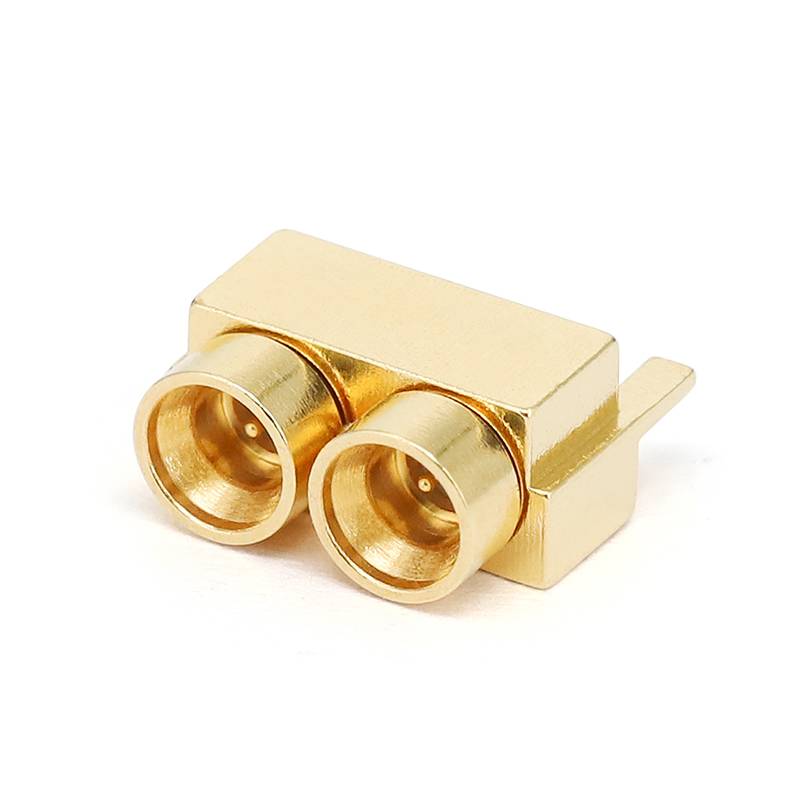
We offer a wide range of Coax Connectors, including Multi - coax Connectors for applications that require multiple coaxial connections. Our products are suitable for various industries, such as telecommunications, aerospace, and automotive.
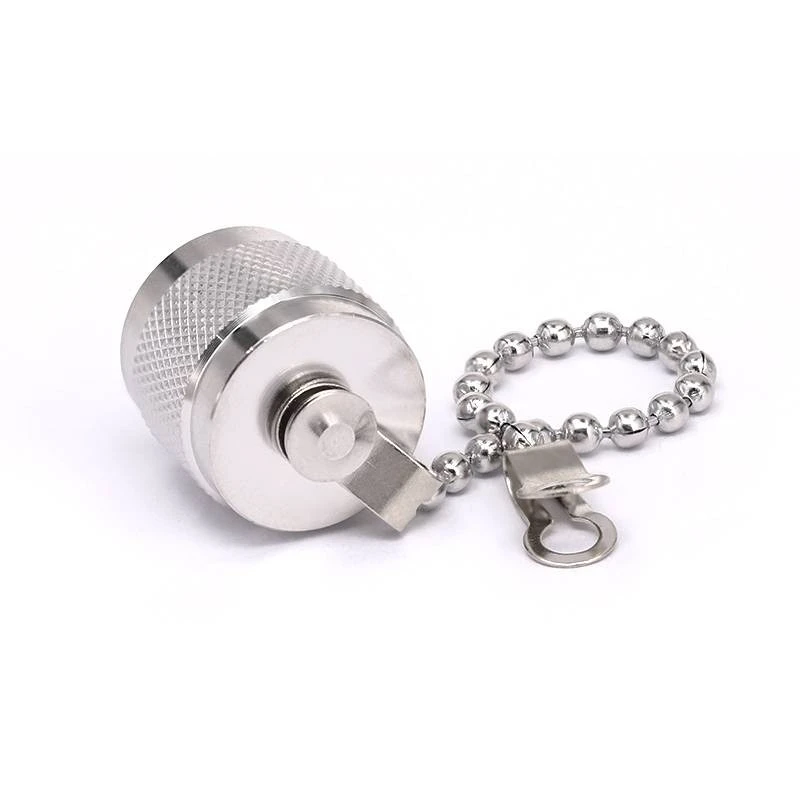
In addition, we also provide Connector Dust Caps to protect the connectors when they are not in use. These dust caps can help maintain the cleanliness of the mating surfaces, which is important for ensuring a proper pull - out force.
Conclusion
The pull - out force of Coax Connectors is a critical factor that affects both the electrical performance and mechanical stability of the connection. Understanding the factors that influence the pull - out force, such as connector design, material quality, and mating surface condition, is essential for selecting the right coax connectors for your application.
As a trusted Coax Connectors supplier, we are committed to providing high - quality products with reliable pull - out force characteristics. If you are in need of Coax Connectors for your project, we invite you to visit our website Coax Connectors to explore our product range. We are also ready to engage in procurement discussions to meet your specific requirements. Please feel free to reach out to us for more information.
References
- IPC - CF - 150, “Performance Specification for Coaxial Cable Assemblies”
- MIL - STD - 348, “Connectors, Electrical, Radio - Frequency (RF)”


