

What is the reliability of RF switches?
Leave a message

Hey there! As a supplier of RF switches, I've been diving deep into the world of these nifty devices for quite some time. And one question that keeps popping up is, "What is the reliability of RF switches?" Well, let's break it down and find out.
First off, let's understand what RF switches are. RF switches are electronic devices that route radio frequency (RF) signals through different paths. They're used in a wide range of applications, from telecommunications and wireless networks to radar systems and test equipment. You can check out different RF Switches Types to get a better idea of the variety out there.
Reliability is a crucial factor when it comes to RF switches. In many applications, a single malfunctioning switch can lead to significant disruptions. For example, in a cellular network, an unreliable RF switch could cause dropped calls or poor signal quality. So, what affects the reliability of these switches?
One of the key factors is the design and construction of the switch. High - quality RF switches are built with precision components that can withstand the rigors of continuous use. The materials used in the switch, such as the contacts and the dielectric, play a big role. For instance, gold - plated contacts are often preferred because they offer low resistance and good corrosion resistance, which helps maintain a stable RF signal over time.
Another important aspect is the manufacturing process. A well - controlled manufacturing environment ensures that each switch is built to the same high standards. This includes things like proper soldering, accurate alignment of components, and thorough testing at each stage of production. At our company, we take great pride in our manufacturing process, which is why our RF switches are known for their reliability.
The operating conditions also have a huge impact on the reliability of RF switches. Temperature, humidity, and vibration can all affect the performance of a switch. For example, extreme temperatures can cause the materials in the switch to expand or contract, which might lead to loose connections or changes in the electrical properties of the components. That's why it's important to choose RF switches that are rated for the specific operating conditions of your application.
Let's talk about some of the common failure modes of RF switches. One of the most common issues is contact wear. Every time a switch is actuated, the contacts rub against each other, and over time, this can cause the contact surfaces to wear down. This can lead to an increase in contact resistance, which in turn can degrade the RF signal. To mitigate this, some switches are designed with self - cleaning contacts or are made from materials that are more resistant to wear.
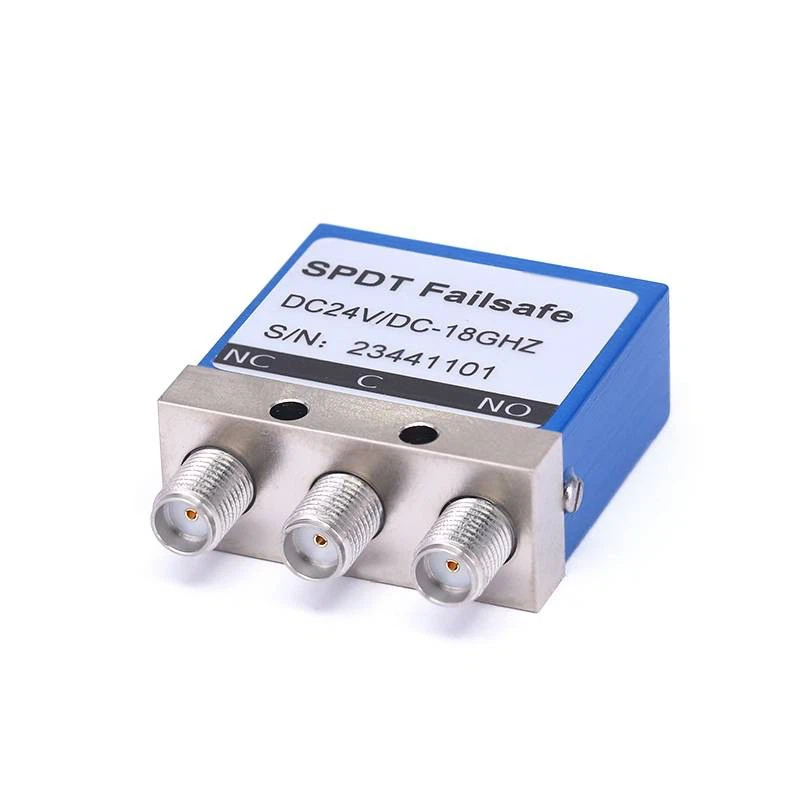

Another failure mode is dielectric breakdown. The dielectric material in a switch is used to insulate the different electrical components. If the dielectric breaks down, it can cause short circuits or leakage currents, which can seriously affect the performance of the switch. This can happen due to high voltage stress, overheating, or contamination of the dielectric material.
Now, how can we measure the reliability of RF switches? One common metric is the mean time between failures (MTBF). This is an estimate of the average time that a switch can operate without failing. A high MTBF indicates a more reliable switch. However, it's important to note that MTBF is just an estimate and can be affected by many factors, such as the operating conditions and the quality of maintenance.
We also look at the failure rate, which is the probability that a switch will fail within a given time period. A low failure rate is obviously desirable. To ensure the reliability of our RF switches, we conduct extensive testing in our labs. We simulate different operating conditions, including high and low temperatures, humidity, and vibration, to see how the switches perform. We also perform long - term reliability tests, where we operate the switches continuously for thousands of cycles to check for any signs of wear or failure.
In addition to these technical aspects, customer support and after - sales service are also important for ensuring the reliability of RF switches. If a customer encounters an issue with a switch, they need to be able to get prompt and effective support. At our company, we have a team of experts who are always ready to help customers with any problems they might have. We also offer warranties on our products, which gives our customers peace of mind.
So, why should you choose our RF switches? Well, as I've mentioned, we focus on high - quality design, precision manufacturing, and thorough testing. Our switches are built to last, even in the most demanding applications. We also offer competitive pricing and excellent customer service. Whether you're working on a small - scale project or a large - scale industrial application, we have the right RF switch for you.
If you're in the market for reliable RF switches, I encourage you to get in touch with us. We'd love to have a chat with you about your specific needs and help you find the perfect solution. You can find more information on our website and if you have any questions, feel free to reach out. Let's work together to make your RF systems more reliable and efficient.
References
- "RF Switch Design and Applications" by [Author's Name]
- Various industry whitepapers on RF switch reliability and performance.


