

Why is a low VSWR important for RF switches?
Leave a message

As a supplier of RF switches, I've witnessed firsthand the critical role that a low Voltage Standing Wave Ratio (VSWR) plays in the performance of these essential components. In the world of radio frequency (RF) technology, where precision and efficiency are paramount, understanding the importance of low VSWR is crucial for both engineers and end-users. In this blog post, I'll delve into the reasons why a low VSWR is vital for RF switches and how it impacts the overall performance of RF systems.
Understanding VSWR
Before we explore the significance of a low VSWR, let's first understand what VSWR is. VSWR is a measure of how efficiently radio-frequency power is transmitted from a source, such as a transmitter, through a transmission line, and into a load, such as an antenna. It is defined as the ratio of the maximum voltage to the minimum voltage along the transmission line. A VSWR of 1:1 indicates perfect impedance matching, where all the power from the source is transferred to the load without any reflection. In contrast, a higher VSWR value indicates a mismatch between the source and the load, resulting in some of the power being reflected back towards the source.
Minimizing Power Loss
One of the primary reasons why a low VSWR is important for RF switches is to minimize power loss. When there is an impedance mismatch between the RF switch and the connected components, such as antennas or amplifiers, a portion of the transmitted power is reflected back towards the source. This reflected power not only reduces the overall efficiency of the RF system but also generates heat, which can lead to thermal stress and potential damage to the components.
By ensuring a low VSWR, RF switches can effectively transfer the maximum amount of power from the source to the load, minimizing power loss and improving the overall efficiency of the RF system. This is particularly important in applications where power efficiency is critical, such as in wireless communication systems, where battery life is a major concern.
Improving Signal Quality
In addition to minimizing power loss, a low VSWR also helps to improve the quality of the RF signal. When there is an impedance mismatch, the reflected power can cause interference and distortion in the transmitted signal, leading to a degradation in signal quality. This can result in issues such as reduced range, lower data rates, and increased bit error rates in wireless communication systems.
RF switches with a low VSWR can help to maintain a clean and stable RF signal by minimizing reflections and interference. This ensures that the transmitted signal reaches the destination with minimal distortion, resulting in improved signal quality and better overall performance of the RF system.
Enhancing System Reliability
Another important aspect of a low VSWR is its impact on the reliability of the RF system. When there is a high VSWR, the reflected power can cause voltage spikes and standing waves along the transmission line, which can lead to increased stress on the components and potentially cause them to fail. This can result in system downtime, increased maintenance costs, and reduced productivity.
By using RF switches with a low VSWR, the risk of component failure due to voltage spikes and standing waves is significantly reduced. This helps to improve the overall reliability of the RF system, ensuring that it operates smoothly and efficiently over an extended period of time.
Compatibility with Other Components
In modern RF systems, RF switches are often used in conjunction with other components, such as amplifiers, filters, and antennas. These components are designed to operate within specific impedance ranges, and a high VSWR in the RF switch can cause compatibility issues with the other components in the system.
A low VSWR in the RF switch ensures that it is compatible with a wide range of other components, allowing for seamless integration into the RF system. This not only simplifies the design and installation process but also ensures that the entire system operates at its optimal performance level.
Types of RF Switches and VSWR
There are several types of RF switches available in the market, each with its own unique characteristics and performance specifications. When choosing an RF switch, it is important to consider its VSWR performance, as different types of switches may have different VSWR characteristics.

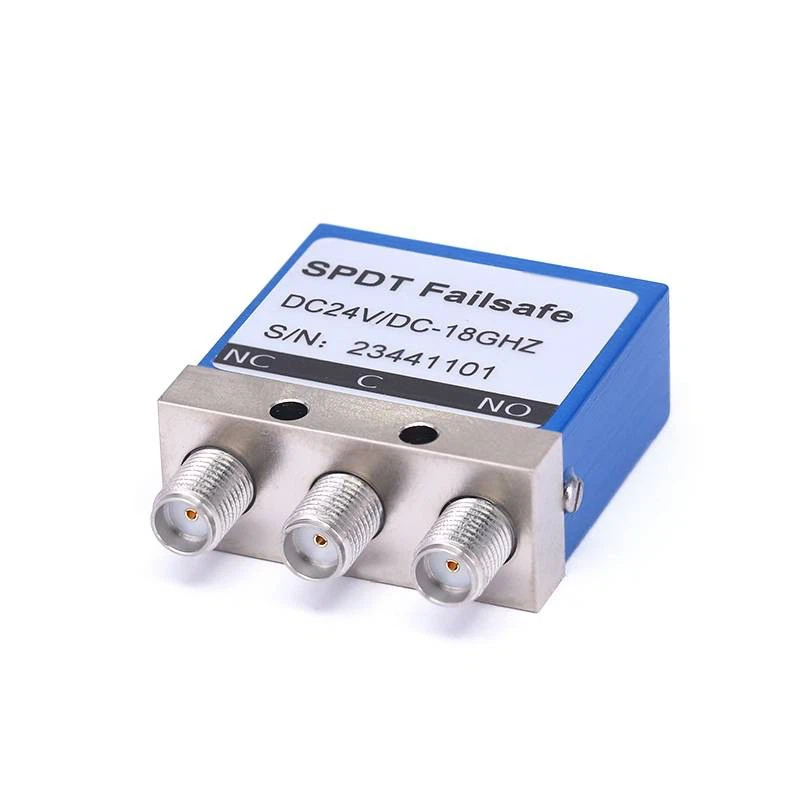
For more information about the different types of RF switches, you can visit our website at RF Switches Types.
Conclusion
In conclusion, a low VSWR is of utmost importance for RF switches in ensuring the efficient and reliable operation of RF systems. By minimizing power loss, improving signal quality, enhancing system reliability, and ensuring compatibility with other components, RF switches with a low VSWR can significantly improve the overall performance of RF systems.
As a supplier of RF switches, we understand the critical role that a low VSWR plays in the performance of these components. That's why we are committed to providing high-quality RF switches with low VSWR performance to meet the needs of our customers. If you are interested in learning more about our RF switches or would like to discuss your specific requirements, please feel free to contact us. We look forward to working with you to provide the best RF switch solutions for your applications.
References
- Pozar, D. M. (2011). Microwave Engineering (4th ed.). Wiley.
- Collin, R. E. (2001). Foundations for Microwave Engineering (2nd ed.). Wiley.
- Golio, M. (Ed.). (2008). The RF and Microwave Handbook. CRC Press.


