

Are there any RF connectors for Bluetooth devices?
Leave a message

In the rapidly evolving landscape of wireless technology, Bluetooth has emerged as a cornerstone for seamless short - range communication. From consumer electronics like smartphones and headphones to industrial applications, its ubiquity is undeniable. As a leading RF connectors supplier, I am often asked about the availability and suitability of RF connectors for Bluetooth devices. In this blog, we will delve deep into this topic, exploring the different types of RF connectors that can be used with Bluetooth devices, their characteristics, and how they contribute to the overall performance of these wireless systems.
Understanding Bluetooth Technology Basics
Before we jump into RF connectors, it's crucial to have a basic understanding of Bluetooth technology. Bluetooth operates in the 2.4 - 2.4835 GHz ISM (Industrial, Scientific, and Medical) band. It uses frequency - hopping spread spectrum (FHSS) technology to avoid interference and ensure reliable communication. The data transfer rate can vary depending on the Bluetooth version, with the latest versions offering significantly higher speeds and longer ranges compared to their predecessors.
Importance of RF Connectors in Bluetooth Devices
RF connectors play a vital role in Bluetooth devices. They serve as the interface between the printed circuit board (PCB) and external components such as antennas. A well - chosen RF connector can ensure low signal loss, high return loss, and proper impedance matching, all of which are essential for optimal Bluetooth performance. On the other hand, a poor - quality or inappropriate connector can lead to signal degradation, increased interference, and reduced range.
Types of RF Connectors for Bluetooth Devices
1. SMA (Sub - Miniature version A) Connectors
SMA connectors are one of the most commonly used RF connectors in Bluetooth applications. They are known for their small size, high - frequency performance, and relatively low cost. SMA connectors have a threaded coupling mechanism, which provides a secure connection and helps to prevent accidental disconnection. They can handle frequencies up to 18 GHz, which is well within the operating range of Bluetooth. The impedance of SMA connectors is typically 50 ohms, which is also the standard impedance for most Bluetooth circuits.
2. SMB (Sub - Miniature version B) Connectors
SMB connectors are another popular choice for Bluetooth devices. They are smaller than SMA connectors and have a snap - on coupling mechanism, which allows for quick and easy connection and disconnection. SMB connectors are suitable for applications where space is limited, such as in small Bluetooth modules. They can operate at frequencies up to 4 GHz, which is sufficient for Bluetooth communication. Like SMA connectors, SMB connectors also have a 50 - ohm impedance.
3. MCX (Micro Coaxial) Connectors
MCX connectors are even smaller than SMB connectors, making them ideal for ultra - compact Bluetooth devices. They have a push - on/pull - off coupling mechanism, which provides a simple and fast connection. MCX connectors can handle frequencies up to 6 GHz, and they also have a 50 - ohm impedance. Their small size and high - frequency performance make them a great option for Bluetooth headsets, smartwatches, and other wearable devices.
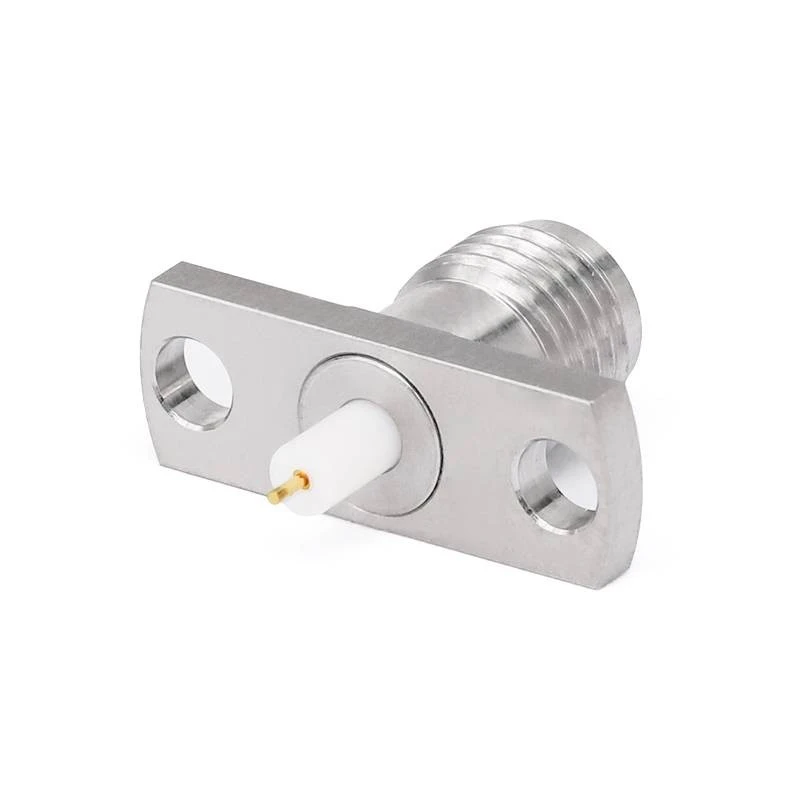
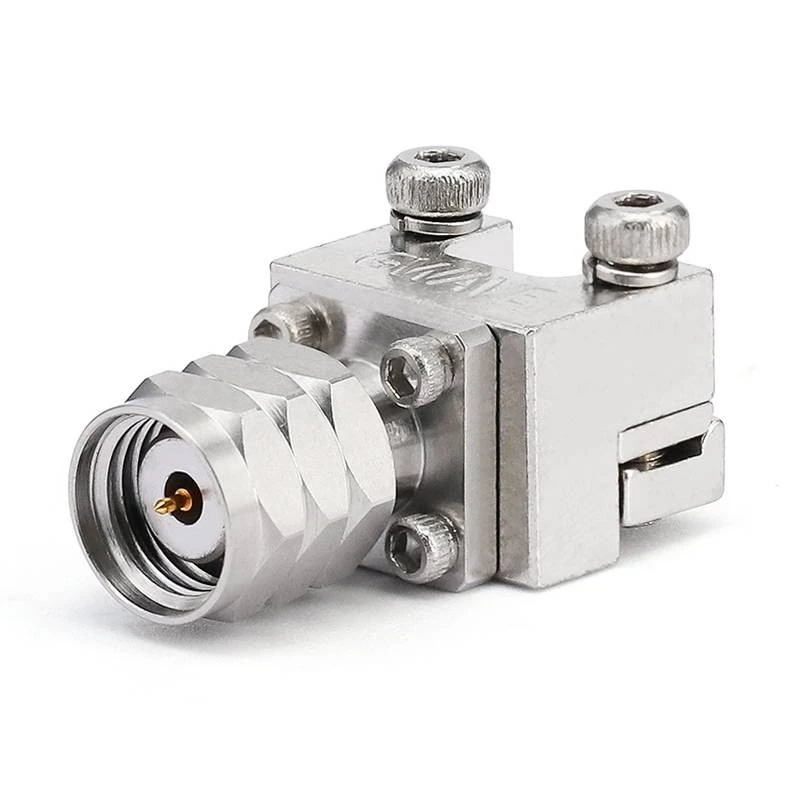
Specialized RF Connectors for Bluetooth
Glass Beads
In some high - performance Bluetooth applications, Glass Beads connectors can be used. These connectors are designed to provide excellent electrical insulation and mechanical stability. The glass beads in the connector help to reduce signal leakage and improve the overall performance of the connector. They are often used in applications where reliability and high - quality signal transmission are of utmost importance.
End Launch Connectors
End Launch Connectors are another type of specialized RF connector that can be used with Bluetooth devices. These connectors are mounted at the end of a PCB and are designed to provide a direct connection to an antenna or other external component. End launch connectors offer low insertion loss and high return loss, which helps to improve the efficiency of the Bluetooth system.
Field Replaceable Connectors
Field Replaceable Connectors are useful in situations where connectors may need to be replaced in the field. For example, in industrial Bluetooth applications where connectors may be subject to wear and tear, field - replaceable connectors can be easily swapped out without the need for extensive disassembly of the device. This can save time and reduce maintenance costs.
Factors to Consider When Choosing an RF Connector for Bluetooth Devices
1. Frequency Range
As mentioned earlier, Bluetooth operates in the 2.4 - 2.4835 GHz band. Therefore, the RF connector should be able to handle this frequency range without significant signal loss. It's also important to consider the potential for future upgrades to higher - frequency Bluetooth versions.
2. Impedance Matching
Proper impedance matching is crucial for minimizing signal reflection and ensuring efficient power transfer. Most Bluetooth circuits are designed for a 50 - ohm impedance, so the RF connector should also have a 50 - ohm impedance.
3. Size and Space Constraints
The physical size of the RF connector is an important consideration, especially in small Bluetooth devices. Connectors like MCX and SMB are better suited for applications with limited space, while SMA connectors may be more appropriate for larger devices.
4. Environmental Conditions
In some applications, the Bluetooth device may be exposed to harsh environmental conditions such as high temperatures, humidity, or vibration. In such cases, the RF connector should be able to withstand these conditions without compromising its performance.
Our Role as an RF Connectors Supplier
As an RF connectors supplier, we understand the unique requirements of Bluetooth devices. We offer a wide range of RF connectors, including SMA, SMB, MCX, and the specialized connectors mentioned above. Our connectors are manufactured using high - quality materials and advanced manufacturing processes to ensure reliable performance and long - term durability.
We also provide technical support to our customers. Our team of experts can help you select the most suitable RF connector for your Bluetooth application based on your specific requirements. Whether you are designing a new Bluetooth device or looking to upgrade an existing one, we can provide you with the right solution.
Contact Us for Your RF Connector Needs
If you are in the market for RF connectors for your Bluetooth devices, we invite you to contact us. Our sales team is ready to discuss your requirements in detail and provide you with a customized solution. We can offer competitive pricing, fast delivery, and excellent customer service. Let's work together to ensure the optimal performance of your Bluetooth devices.
References
- Bluetooth Special Interest Group (SIG). Bluetooth Core Specification.
- Pozar, D. M. (2011). Microwave Engineering (4th ed.). Wiley.
- Collin, R. E. (2001). Foundations for Microwave Engineering (2nd ed.). Wiley.


