

Can I use a PCB connector for a battery - powered device?
Leave a message

When it comes to designing battery - powered devices, one of the critical decisions is the choice of connectors. As a seasoned PCB Connectors supplier, I often encounter the question: "Can I use a PCB connector for a battery - powered device?" In this blog, I'll delve into this topic, exploring the feasibility, advantages, considerations, and potential challenges of using PCB connectors in battery - powered applications.
Feasibility of Using PCB Connectors in Battery - Powered Devices
The short answer is yes, you can use PCB connectors for battery - powered devices. PCB connectors are designed to provide a reliable electrical connection between the printed circuit board and other components. Battery - powered devices require a stable and efficient connection to transfer power from the battery to the rest of the circuit. PCB connectors can meet these requirements, making them a viable option for such applications.
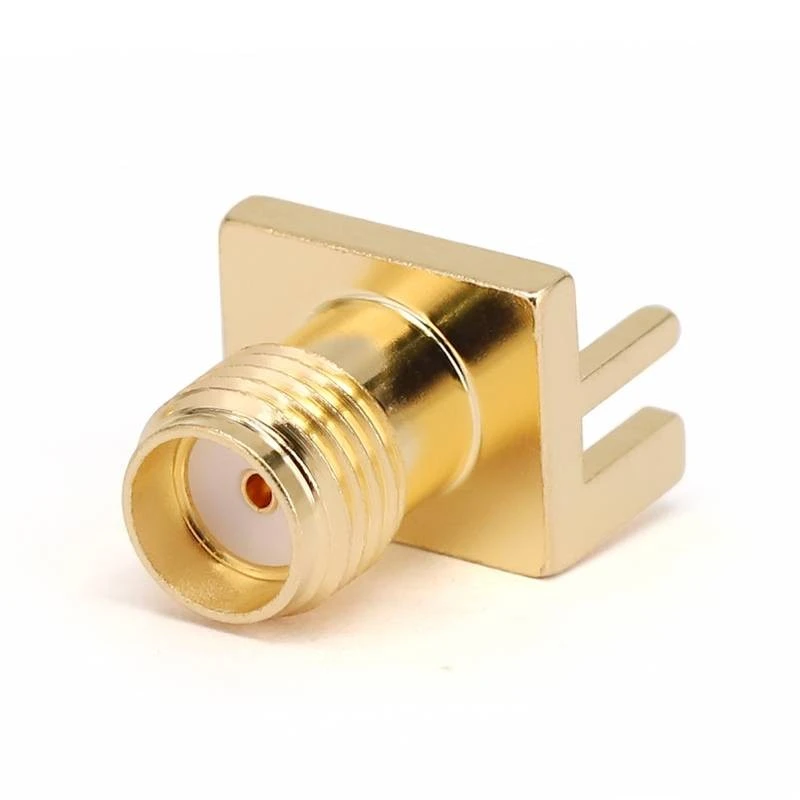
PCB connectors come in various types, including through - hole and surface - mount connectors. Through - hole connectors are inserted into holes in the PCB and soldered on the opposite side, providing a strong mechanical and electrical connection. Surface - mount connectors, on the other hand, are soldered directly onto the surface of the PCB, which is beneficial for devices with limited space.
Advantages of Using PCB Connectors in Battery - Powered Devices
Space Efficiency
Battery - powered devices are often designed to be compact. PCB connectors, especially surface - mount ones, take up less space on the PCB compared to other types of connectors. This allows for a more efficient use of the available board area, enabling designers to fit more components into a smaller device.
Cost - Effectiveness
PCB connectors are generally more cost - effective than other types of connectors. They are mass - produced, which reduces the manufacturing cost. For battery - powered devices that are often produced in large quantities, using PCB connectors can significantly lower the overall production cost.

Ease of Assembly
Assembly is a crucial step in the manufacturing process of battery - powered devices. PCB connectors are relatively easy to assemble, especially with the use of automated assembly equipment. This not only speeds up the production process but also reduces the risk of human error during assembly.
Electrical Performance
PCB connectors can provide excellent electrical performance. They are designed to minimize signal loss and interference, ensuring a stable power supply to the battery - powered device. This is particularly important for devices that require a consistent power source, such as smartphones, wearables, and portable medical devices.
Considerations When Using PCB Connectors in Battery - Powered Devices
Current Rating
The current rating of the PCB connector is a critical factor to consider. Battery - powered devices may draw different amounts of current depending on their functionality. For example, a high - power device like a tablet may draw more current than a low - power device like a fitness tracker. It's essential to choose a PCB connector with a current rating that can handle the maximum current drawn by the device.
Voltage Rating
Similar to the current rating, the voltage rating of the PCB connector must be suitable for the battery voltage of the device. Using a connector with a lower voltage rating than the battery voltage can lead to electrical breakdown and damage to the connector and the device.
Environmental Conditions
Battery - powered devices may be used in various environmental conditions. For example, a wearable device may be exposed to sweat, while an outdoor device may be exposed to moisture, dust, and temperature variations. It's important to choose a PCB connector that can withstand the expected environmental conditions. Some connectors are designed with features such as waterproofing, dust - proofing, and temperature resistance.
Mechanical Durability
The mechanical durability of the PCB connector is also important. Battery - powered devices may be subject to vibration, shock, and repeated plugging and unplugging. A connector with poor mechanical durability may become loose or damaged over time, leading to a poor electrical connection.
Potential Challenges of Using PCB Connectors in Battery - Powered Devices
Thermal Management
Battery - powered devices can generate heat during operation. Excessive heat can affect the performance and lifespan of the PCB connector. Designers need to consider thermal management strategies, such as using heat - dissipating materials or providing adequate ventilation, to ensure that the connector operates within its temperature range.
Connector Compatibility
Ensuring compatibility between the PCB connector and the battery and other components in the device is crucial. For example, the connector's pin configuration must match the battery's terminal configuration. Incompatible connectors can lead to improper connections and potential damage to the device.
Types of PCB Connectors Suitable for Battery - Powered Devices
Multi - coax Connectors
Multi - coax connectors are a type of PCB connector that can be suitable for battery - powered devices, especially those that require high - speed data transmission. These connectors can handle multiple coaxial cables, providing a reliable connection for high - frequency signals. You can learn more about Multi - coax Connectors.
Glass Beads
Glass beads are used in some PCB connectors to provide insulation and mechanical support. They can improve the electrical performance and reliability of the connector. To find out more about Glass Beads.
Conclusion
In conclusion, using a PCB connector for a battery - powered device is not only feasible but also offers many advantages such as space efficiency, cost - effectiveness, ease of assembly, and good electrical performance. However, designers need to carefully consider factors such as current rating, voltage rating, environmental conditions, and mechanical durability. By choosing the right PCB connector and addressing the potential challenges, battery - powered devices can benefit from a reliable and efficient electrical connection.
If you are in the process of designing a battery - powered device and are looking for high - quality PCB connectors, I invite you to explore our wide range of PCB Connectors. Our team of experts is ready to assist you in selecting the most suitable connector for your application. Contact us to start a procurement discussion and take your device design to the next level.
References
- "Connector Handbook" by John Grob
- "Printed Circuit Board Design: Principles and Practices" by Douglas Brooks


