

How to select a PCB connector for a data center equipment?
Leave a message

Selecting the right PCB connector for data center equipment is no walk in the park. It's a crucial decision that can make or break the performance and reliability of your systems. As a PCB connectors supplier, I've seen firsthand how the wrong choice can lead to all sorts of headaches, from signal interference to system failures. So, let's dive into the key factors you need to consider when making this important decision.
1. Electrical Requirements
First things first, you've got to understand the electrical requirements of your data center equipment. This includes things like voltage, current, and signal integrity.
- Voltage and Current Ratings: Make sure the connector can handle the voltage and current levels of your application. Overloading a connector can cause overheating, which can lead to premature failure. Check the datasheet for the connector's voltage and current ratings and compare them to your equipment's requirements.
- Signal Integrity: In a data center, high - speed data transmission is the name of the game. You need a connector that can maintain signal integrity over long distances and at high frequencies. Look for connectors with low insertion loss, low return loss, and good impedance matching. For example, Multi - coax Connectors are often a great choice for high - speed data applications because they can handle multiple signals simultaneously with minimal interference.
2. Mechanical Considerations
Mechanical factors are just as important as electrical ones. A connector that doesn't fit properly or isn't sturdy enough can cause all sorts of problems.
- Size and Shape: The size and shape of the connector need to fit your PCB layout. You don't want a connector that's too big and takes up too much space on the board, or one that's too small and can't handle the required number of pins. Measure your available space on the PCB and choose a connector that fits those dimensions.
- Mounting Style: There are different mounting styles available, such as through - hole and surface - mount. Through - hole connectors are typically more robust and can handle higher currents, but they require holes to be drilled in the PCB. Surface - mount connectors are smaller and can be more easily automated during the assembly process. Consider your manufacturing process and the requirements of your equipment when choosing a mounting style.
- Durability: Data center equipment is often subject to vibration, shock, and temperature changes. You need a connector that can withstand these environmental conditions. Look for connectors with a high number of mating cycles and good resistance to corrosion. For example, connectors with Glass Beads can provide better insulation and protection against environmental factors.
3. Compatibility
Your PCB connector needs to be compatible with the other components in your data center equipment.

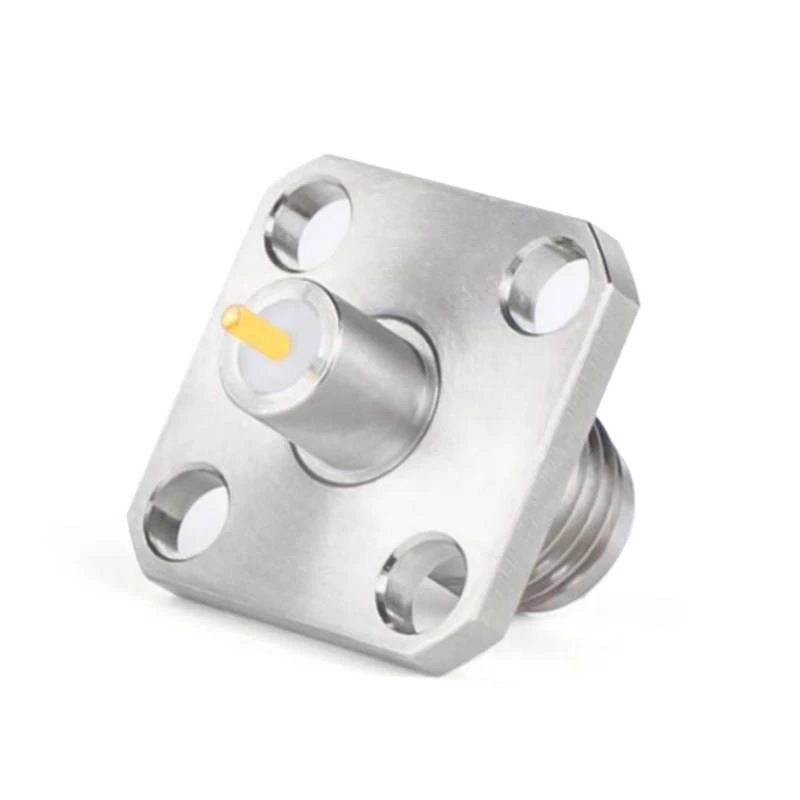
- Pin Configuration: Make sure the pin configuration of the connector matches the requirements of your PCB and the other devices it will be connected to. A mismatch in pin configuration can lead to incorrect connections and system malfunctions.
- Protocol Compatibility: If you're dealing with specific communication protocols, such as Ethernet or USB, the connector needs to be compatible with those protocols. Some connectors are designed specifically for certain protocols and offer better performance and reliability.
4. Cost
Cost is always a factor, but it shouldn't be the only one. You need to balance the cost of the connector with its performance and reliability.
- Initial Cost: Compare the prices of different connectors from various suppliers. However, don't just go for the cheapest option. A low - cost connector may end up costing you more in the long run if it fails prematurely or causes performance issues.
- Total Cost of Ownership: Consider the total cost of ownership, which includes not only the initial purchase price but also the cost of installation, maintenance, and replacement. A more expensive connector that offers better reliability and performance may actually be more cost - effective in the long term.
5. Supplier Reputation
Choosing a reliable supplier is crucial. You want a supplier who can provide high - quality connectors, good customer service, and technical support.
- Quality Assurance: Look for a supplier who has a good quality assurance process in place. This includes things like testing the connectors to ensure they meet the required standards and specifications.
- Customer Reviews: Check customer reviews and testimonials to see what other customers have to say about the supplier. A supplier with a good reputation is more likely to provide you with a quality product and good service.
6. Ease of Use
A connector that's easy to use can save you time and money during the installation and maintenance process.
- Installation: Look for connectors that are easy to install. Some connectors come with features like keying or polarization, which make it easier to ensure correct installation.
- Maintenance and Replacement: Consider how easy it is to maintain and replace the connector. A connector that can be easily removed and replaced without causing damage to the PCB or other components is a big plus.
7. Future Expansion
Data centers are constantly evolving, and you need to consider future expansion when choosing a PCB connector.
- Scalability: Choose a connector that can support future upgrades and expansions. For example, a connector with extra pins or the ability to handle higher data rates can make it easier to add new features or increase the capacity of your equipment in the future.
As a PCB connectors supplier, I'm here to help you make the right choice. We offer a wide range of high - quality connectors, including Terminal Connectors, Multi - coax Connectors, and connectors with Glass Beads. If you're in the process of selecting a PCB connector for your data center equipment, I encourage you to get in touch with us. We can provide you with detailed product information, technical support, and help you find the perfect connector for your specific needs.
References
- "Connectors for Data Centers: A Comprehensive Guide" - Industry Whitepaper
- "Electrical and Mechanical Considerations in PCB Connector Selection" - Journal of Electronic Components
- "Best Practices for Choosing PCB Connectors in High - Speed Data Applications" - Technical Report


