

Can I use a PCB connector for both power and signal transmission?
Leave a message

Hey there! As a supplier of PCB connectors, I often get asked a really common question: "Can I use a PCB connector for both power and signal transmission?" Well, let's dig into this topic and find out.
First off, let's understand what PCB connectors are. They're basically components that allow different parts of a printed circuit board (PCB) to connect to other boards, devices, or systems. They come in all shapes and sizes, and each type has its own unique features and uses.
Now, the idea of using a single PCB connector for both power and signal transmission sounds pretty appealing. It can save space on the PCB, reduce costs, and simplify the overall design. But is it actually possible? The answer is, it depends.
The Technical Feasibility
From a technical perspective, it is indeed possible to use a PCB connector for both power and signal transmission. Many modern connectors are designed with multiple pins or contacts, which can be allocated for different purposes. Some pins can be used to carry power, while others can handle signals.
However, there are some important factors to consider. One of the main concerns is interference. Power signals usually carry a relatively high current and voltage, which can generate electromagnetic interference (EMI). This EMI can affect the quality of the signal transmission, leading to errors or malfunctions in the system.
To minimize interference, the connector needs to be designed with proper shielding and isolation. For example, some connectors have a special layer of shielding material around the power pins to prevent EMI from spreading to the signal pins. Additionally, the layout of the pins on the connector should be carefully planned to keep the power and signal paths as separate as possible.
Another factor is the current-carrying capacity. Power transmission typically requires a connector to handle a higher current than signal transmission. If the connector is not rated for the required current, it can overheat, which can damage the connector and the PCB. So, when choosing a connector for both power and signal transmission, it's crucial to make sure it has the appropriate current-carrying capacity.
Types of Connectors Suitable for Both Power and Signal
There are several types of PCB connectors that are suitable for both power and signal transmission. One popular option is the multi - coax connectors. These connectors are designed to handle multiple coaxial cables, which can be used to transmit both power and high - speed signals. You can check out more about Multi - coax Connectors on our website.
Field replaceable connectors are also a good choice. They allow for easy replacement in the field, which is very convenient for maintenance and upgrades. These connectors can be configured to carry both power and signals, depending on the specific requirements of the application. Learn more about Field Replaceable Connectors.
Protection and Maintenance
When using a PCB connector for both power and signal transmission, protection is key. Connector dust caps can play an important role in protecting the connector from dust, dirt, and moisture. These caps can prevent contaminants from entering the connector, which can cause short circuits or other problems. You can find a variety of Connector Dust Caps on our site.
Regular maintenance is also essential. Inspect the connectors regularly for any signs of damage, such as bent pins or corrosion. Clean the connectors if necessary to ensure good electrical contact.
Applications
There are many applications where using a single PCB connector for both power and signal transmission makes sense. In the automotive industry, for example, connectors are used to connect various electronic components in the vehicle. Using a single connector for power and signal can reduce the complexity of the wiring harness and save space.
In the aerospace and defense sectors, where space and weight are critical factors, using a multi - purpose connector can be a great solution. It can also improve the reliability of the system by reducing the number of connection points.

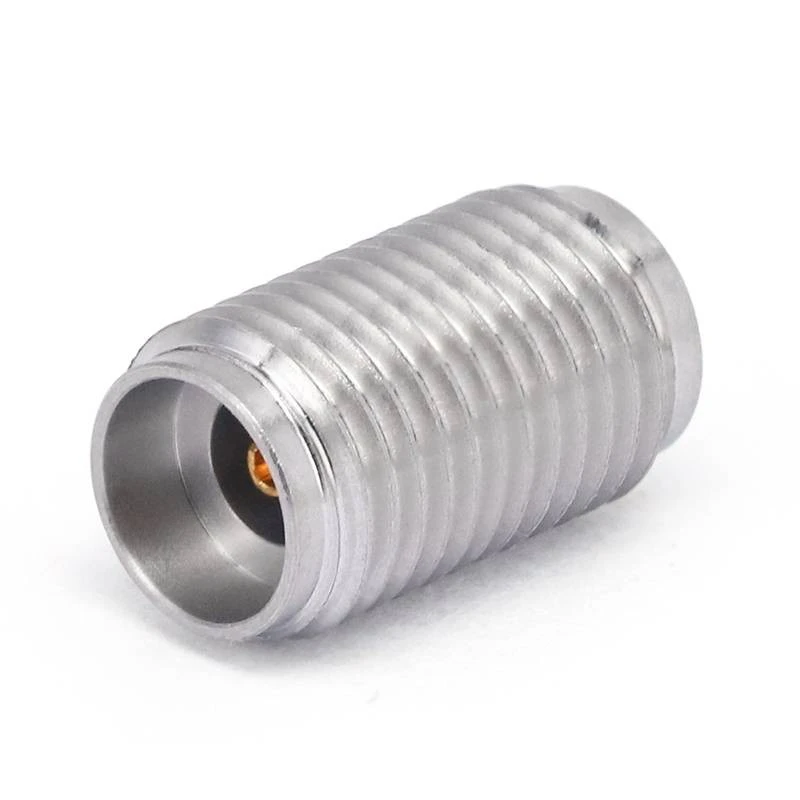
Making the Right Choice
If you're considering using a PCB connector for both power and signal transmission, here are some steps to help you make the right choice:
- Understand your requirements: Determine the power requirements (voltage, current) and the signal characteristics (frequency, data rate) of your application.
- Research different connectors: Look for connectors that are specifically designed to handle both power and signals. Consider factors such as size, pin configuration, and current - carrying capacity.
- Check for certifications: Make sure the connector meets the relevant industry standards and certifications.
- Test and validate: Before mass - producing your product, test the connector in a prototype to ensure it works as expected.
Conclusion
In conclusion, using a PCB connector for both power and signal transmission is possible, but it requires careful consideration of various factors. With the right connector selection, proper design, and adequate protection, you can achieve a reliable and efficient solution.
As a PCB connectors supplier, we have a wide range of connectors that are suitable for both power and signal transmission. Whether you're working on a small - scale project or a large - scale industrial application, we can help you find the right connector for your needs.
If you're interested in learning more about our products or have any questions about using a PCB connector for both power and signal transmission, don't hesitate to reach out. We're here to assist you with your procurement and answer any technical queries. Let's start a conversation and see how we can work together to meet your requirements.
References
- "Connectors for Printed Circuit Boards" - A technical guide on PCB connectors.
- Industry standards and specifications related to PCB connectors.


