

How do I prevent corrosion of a PCB connector?
Leave a message

Hey there! I'm a supplier of PCB connectors, and I know how frustrating it can be when corrosion starts to mess with these crucial components. Corrosion not only affects the performance of PCB connectors but can also lead to costly repairs and replacements. So, let's dive into some practical ways to prevent corrosion of a PCB connector.
Understanding the Enemy: What Causes Corrosion?
Before we get into the prevention methods, it's important to know what causes corrosion in the first place. Corrosion is basically a chemical reaction between the metal in the connector and its environment. The most common culprits are moisture, oxygen, and various contaminants.
Moisture is like the gateway drug for corrosion. When water comes into contact with the metal surface of a PCB connector, it can start a series of chemical reactions. Oxygen in the air then accelerates this process, leading to the formation of metal oxides. Contaminants such as salts, acids, and even dust can also speed up corrosion. For example, in industrial environments, airborne chemicals can settle on the connectors and react with the metal.
Choosing the Right Materials
One of the first steps in preventing corrosion is to choose the right materials for your PCB connectors. Not all metals are created equal when it comes to corrosion resistance.
Stainless steel is a popular choice because it contains chromium, which forms a protective oxide layer on the surface. This layer acts as a barrier, preventing further oxidation and corrosion. Another option is gold-plated connectors. Gold is highly resistant to corrosion and has excellent electrical conductivity. However, it can be expensive, so it's often used in high-end applications where reliability is crucial.
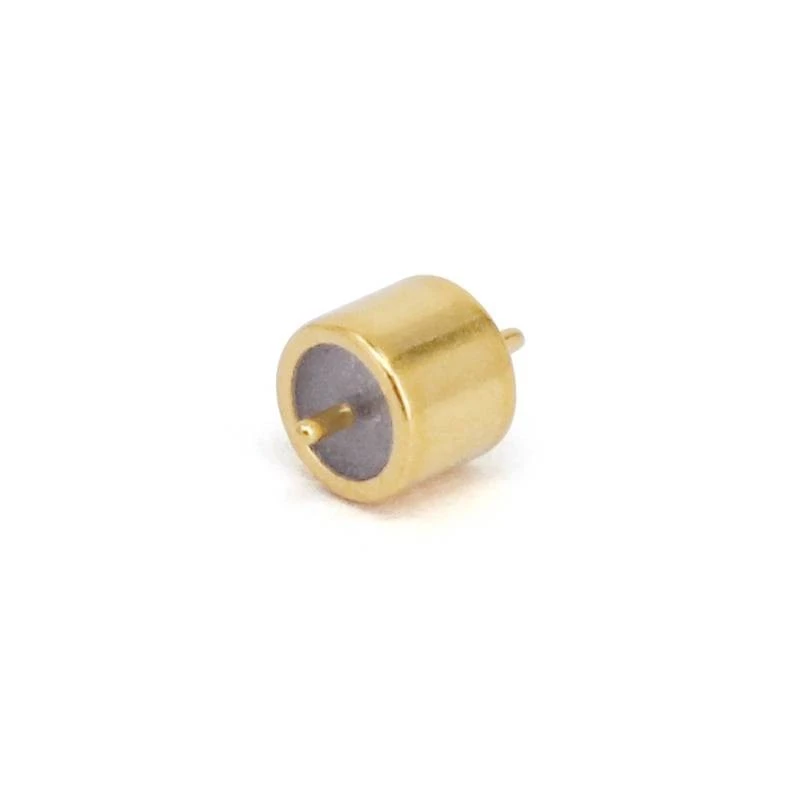
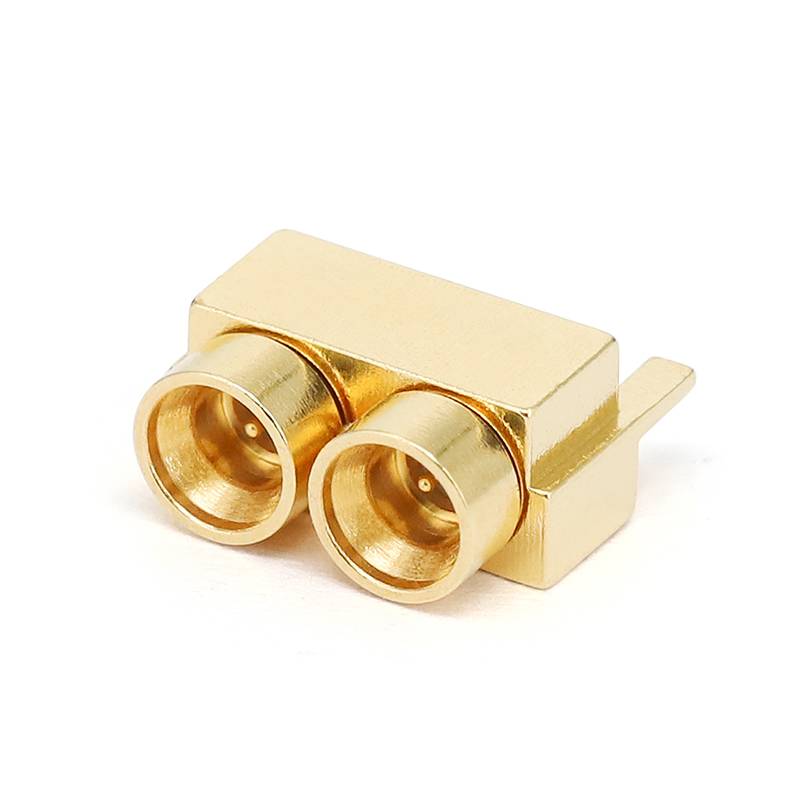
At our company, we offer a range of connectors made from corrosion-resistant materials. For instance, our Field Replaceable Connectors are designed with durability in mind. They are made from materials that can withstand harsh environments, reducing the risk of corrosion.
Proper Surface Treatment
Surface treatment is another important aspect of preventing corrosion. There are several methods available, each with its own advantages.
One common method is electroplating. This involves depositing a thin layer of metal, such as nickel or tin, onto the surface of the connector. The plated layer acts as a barrier, protecting the underlying metal from corrosion. Another option is passivation. This process involves treating the metal surface with a chemical solution to remove impurities and form a protective oxide layer.
We also use Glass Beads in some of our connectors. These glass beads provide an additional layer of protection and can help to reduce friction, which can also contribute to corrosion over time.
Environmental Control
Controlling the environment where the PCB connectors are used is crucial for preventing corrosion. Here are some tips:
- Humidity control: Keep the humidity levels in the storage and operating environment within a reasonable range. High humidity can increase the risk of corrosion, so using dehumidifiers or air conditioners can be helpful.
- Temperature control: Extreme temperatures can also affect the performance of PCB connectors and increase the risk of corrosion. Try to keep the temperature stable and within the recommended range for the connectors.
- Contaminant control: Minimize the exposure of the connectors to contaminants such as dust, dirt, and chemicals. This can be achieved by using protective enclosures or filters.
Regular Inspection and Maintenance
Regular inspection and maintenance are essential for detecting and preventing corrosion early. Here's what you can do:
- Visual inspection: Periodically check the connectors for signs of corrosion, such as discoloration, rust, or pitting. If you notice any issues, take action immediately.
- Cleaning: Clean the connectors regularly to remove any dirt, dust, or contaminants. Use a soft brush or a clean cloth and a mild cleaning solution. Avoid using abrasive materials that could damage the connectors.
- Tightening connections: Loose connections can increase the risk of corrosion by allowing moisture and contaminants to enter. Make sure all connections are tight and secure.
Using Protective Coatings
Protective coatings can provide an extra layer of defense against corrosion. There are several types of coatings available, including:
- Conformal coatings: These coatings are applied to the entire PCB, including the connectors, to protect them from moisture, dust, and chemicals. They are available in different formulations, such as acrylic, silicone, and urethane.
- Anti-corrosion sprays: These sprays can be applied directly to the connectors to provide a temporary protective layer. They are easy to use and can be a quick solution for preventing corrosion in the short term.
Education and Training
Finally, it's important to educate your employees and customers about the importance of preventing corrosion and how to do it properly. Provide training on the proper handling, storage, and maintenance of PCB connectors. This can help to reduce the risk of corrosion and ensure the long-term performance of your products.
Conclusion
Preventing corrosion of PCB connectors is a multi-faceted process that requires careful consideration of materials, surface treatment, environmental control, inspection, and maintenance. By following the tips outlined in this blog, you can significantly reduce the risk of corrosion and ensure the reliability and performance of your PCB connectors.
If you're interested in learning more about our PCB connectors or have any questions about preventing corrosion, please don't hesitate to reach out. We're here to help you find the right solutions for your needs. Let's work together to keep your connectors in top shape!
References
- "Corrosion Prevention and Control for Electronic Systems" by John W. Dini
- "Handbook of Corrosion Engineering" by Pierre R. Roberge


