

How do RF loads handle RF transients?
Leave a message

Hey there! As a supplier of RF loads, I often get asked about how these nifty devices handle RF transients. So, I thought I'd sit down and write a blog post to share my knowledge on this topic.
First off, let's quickly go over what RF loads are. RF loads are components used in radio frequency (RF) systems to absorb RF power. They're like the unsung heroes of the RF world, quietly doing their job to ensure that the system operates smoothly. You can check out some of our popular RF loads, like the 3.5mm RF Loads, 2.92mm RF Loads, and GPPO RF Loads.
Now, onto RF transients. RF transients are short - lived, high - energy RF pulses that can occur in an RF system. These transients can be caused by a variety of factors, such as lightning strikes, sudden changes in power supply, or switching operations in the system. And boy, can they cause some problems if not handled properly!
One of the key ways RF loads handle RF transients is through their power - handling capabilities. When an RF transient hits an RF load, it's like a sudden surge of energy. The load needs to be able to absorb this extra energy without getting damaged. That's why we design our RF loads with high power - handling ratings. For example, if you're in an environment where lightning strikes are a concern, you'll want an RF load that can handle the high - power transients that a lightning strike might induce.
Another important factor is the load's impedance matching. In an RF system, impedance matching is crucial for efficient power transfer. When an RF transient occurs, the load needs to maintain its impedance match to the system. If the impedance changes during a transient, it can lead to reflections. These reflections can cause interference in the system and even damage other components. Our RF loads are carefully engineered to have a stable impedance over a wide range of frequencies and power levels, which helps them handle transients without causing impedance mismatches.
The construction materials of RF loads also play a big role in handling transients. We use high - quality materials that can withstand the heat generated by the absorption of transient energy. For instance, some of our loads are made with materials that have good thermal conductivity. This allows the heat to be dissipated quickly, preventing the load from overheating during a transient event.
Let's talk about the response time of RF loads. When a transient occurs, the load needs to start absorbing the energy as quickly as possible. A slow - responding load might not be able to handle the full impact of the transient, which could lead to damage. Our RF loads are designed to have a fast response time. They can start absorbing the transient energy almost instantaneously, which helps protect the rest of the RF system.
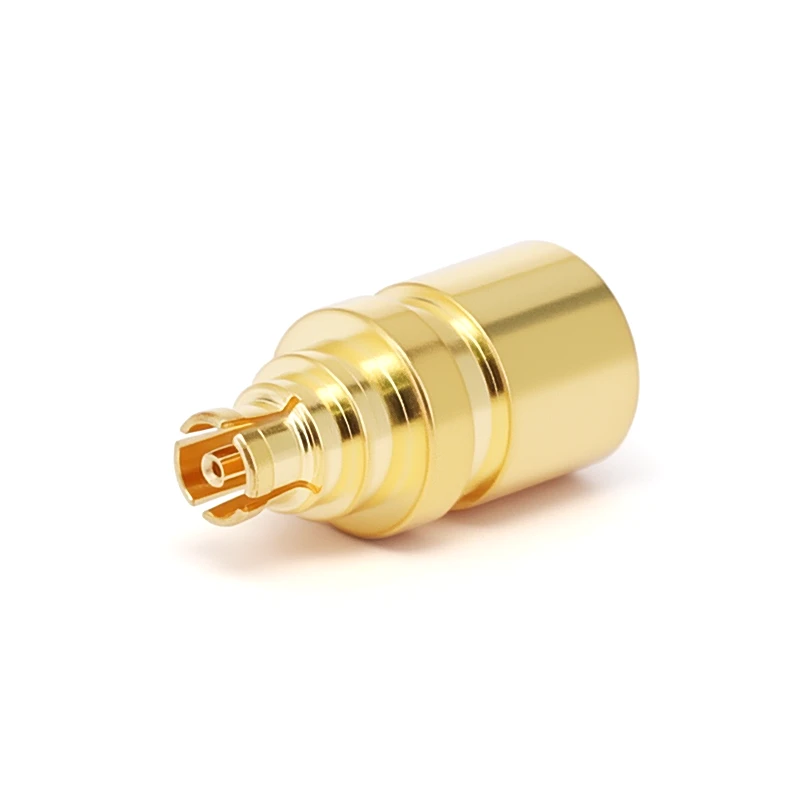

Now, let's consider the physical design of RF loads. We design our loads to be robust and durable. They are housed in sturdy enclosures that can protect the internal components from physical damage during a transient event. Whether it's a mechanical shock from a nearby explosion or a sudden jolt in the system, our RF loads are built to withstand these challenges.
In addition to these technical aspects, we also offer different types of RF loads to suit different applications. For example, if you're working in a high - frequency, high - power application, we have loads that are specifically designed for those conditions. On the other hand, if you're in a low - power, low - frequency application, we have more cost - effective options that still provide reliable transient - handling capabilities.
When it comes to testing, we put our RF loads through rigorous testing procedures to ensure their ability to handle transients. We simulate transient events in our testing labs using specialized equipment. This allows us to measure how well the loads perform under different transient conditions. We test for things like power absorption, impedance stability, and temperature rise during a transient. Only after passing these tests do our RF loads make it to the market.
So, if you're in the market for RF loads that can handle RF transients, you've come to the right place. We've got a wide range of products to choose from, and our team is always ready to help you find the perfect load for your application. Whether you're in the telecommunications industry, the aerospace sector, or any other field that uses RF systems, we can provide you with high - quality RF loads that will keep your system running smoothly.
If you're interested in learning more about our RF loads or have any questions about how they handle RF transients, don't hesitate to reach out. We're here to help you make the best choice for your RF system. And if you're ready to make a purchase, we're more than happy to start the procurement process with you. Just drop us a line, and we'll get the ball rolling.
In conclusion, handling RF transients is a critical aspect of RF load design. Our RF loads are engineered with power - handling capabilities, stable impedance, high - quality materials, fast response times, and robust physical designs to ensure they can handle whatever transient events come their way. So, if you're looking for reliable RF loads for your system, give us a shout, and let's get your RF system protected!
References
- RF Engineering Handbook: Covers general principles of RF systems, including power handling and impedance matching.
- Transient Analysis in Electrical Systems: Provides in - depth knowledge about transient events in electrical and RF systems.


