

What is the difference between male and female RF connectors?
Leave a message

As an RF connectors supplier, I've witnessed firsthand the diverse needs and inquiries from our clients. One common question that often arises is about the differences between male and female RF connectors. Understanding these differences is crucial for anyone involved in the field of electronics, whether you're an engineer, a technician, or a hobbyist. In this blog, I'll delve into the key distinctions between male and female RF connectors, exploring their design, functionality, and applications.
Design and Physical Characteristics
The most obvious difference between male and female RF connectors lies in their physical design. Male connectors typically feature a protruding pin or center conductor, which is surrounded by an outer conductor or shell. This design allows the male connector to be inserted into a corresponding female connector, creating an electrical connection. On the other hand, female connectors have a receptacle or socket that is designed to accept the male pin. The outer conductor of the female connector provides a protective shield and ensures a secure connection.
The size and shape of male and female RF connectors can vary depending on the specific type and application. For example, SMA (SubMiniature version A) connectors are commonly used in high-frequency applications and have a small, threaded design. The male SMA connector has a threaded outer shell and a center pin, while the female SMA connector has a threaded receptacle and a center socket. Another popular type of RF connector is the BNC (Bayonet Neill-Concelman) connector, which is known for its quick-connect and disconnect feature. The male BNC connector has a bayonet-style outer shell and a center pin, while the female BNC connector has a bayonet-style receptacle and a center socket.
Electrical Performance
In addition to their physical differences, male and female RF connectors also exhibit distinct electrical characteristics. The design of the connector can affect its impedance, insertion loss, and return loss, which are important factors in determining the overall performance of the RF system.
Impedance is a measure of the opposition to the flow of electrical current in a circuit. In RF applications, it's crucial to match the impedance of the connector to the impedance of the transmission line to minimize signal reflections and ensure efficient power transfer. Male and female RF connectors are typically designed to have a specific impedance, such as 50 ohms or 75 ohms, depending on the application.
Insertion loss is a measure of the power loss that occurs when a signal passes through a connector. It's expressed in decibels (dB) and is typically specified at a particular frequency. A lower insertion loss indicates better performance, as less power is lost during transmission. Male and female RF connectors can have different insertion loss characteristics due to variations in their design and construction.
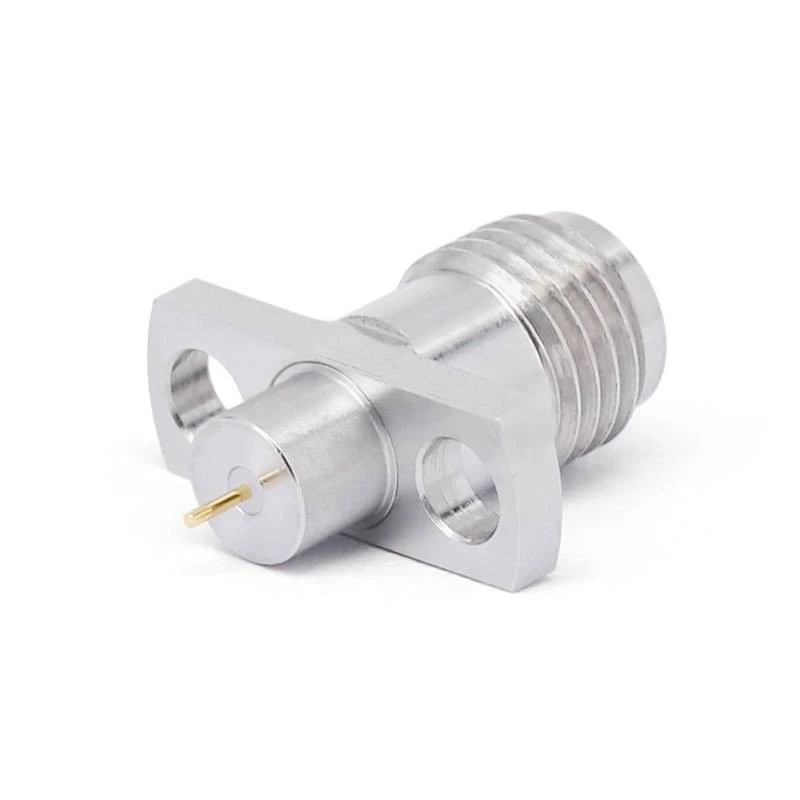

Return loss is a measure of the amount of signal that is reflected back from a connector. It's also expressed in decibels (dB) and is typically specified at a particular frequency. A higher return loss indicates better performance, as less signal is reflected back and more power is transmitted through the connector. Male and female RF connectors can have different return loss characteristics due to variations in their impedance matching and mechanical stability.
Applications
Male and female RF connectors are used in a wide range of applications, including telecommunications, wireless communication, aerospace, and defense. The choice of connector depends on the specific requirements of the application, such as the frequency range, power level, and environmental conditions.
In telecommunications, RF connectors are used to connect antennas, transmitters, and receivers in wireless communication systems. Male and female connectors are used to create reliable electrical connections between different components, ensuring efficient signal transmission. For example, SMA connectors are commonly used in cellular base stations and wireless access points, while BNC connectors are used in cable television systems and test equipment.
In aerospace and defense applications, RF connectors are used in radar systems, satellite communication systems, and electronic warfare equipment. These applications require high-performance connectors that can withstand harsh environmental conditions, such as extreme temperatures, vibrations, and moisture. Male and female connectors are designed to meet these requirements, providing reliable electrical connections in demanding environments.
Compatibility and Interchangeability
When selecting RF connectors for a particular application, it's important to ensure compatibility and interchangeability between the male and female connectors. In some cases, different types of connectors may have similar physical dimensions but different electrical characteristics, which can lead to performance issues if they are not properly matched.
For example, a male SMA connector may be physically compatible with a female SMA connector, but if the impedance of the two connectors is not matched, it can result in signal reflections and increased insertion loss. To avoid these issues, it's important to carefully select the appropriate connectors based on the specific requirements of the application and to ensure that they are properly matched in terms of impedance, frequency range, and other electrical characteristics.
Conclusion
In conclusion, the differences between male and female RF connectors are significant and can have a profound impact on the performance of RF systems. Understanding these differences is crucial for anyone involved in the field of electronics, as it allows for the proper selection and use of connectors in various applications.
As an RF connectors supplier, we offer a wide range of male and female RF connectors to meet the diverse needs of our clients. Our products include PCB Connectors, Terminal Connectors, and End Launch Connectors, among others. We also provide technical support and guidance to help our clients select the right connectors for their specific applications.
If you're interested in learning more about our RF connectors or have any questions about the differences between male and female connectors, please don't hesitate to contact us. We're here to help you find the best solutions for your RF needs and to ensure the success of your projects.
References
- "RF Connectors: Types, Applications, and Selection Guide" by Electronics Notes
- "Understanding RF Connectors" by Microwaves101
- "RF Connector Basics" by Amphenol Corporation


