
How does an RF adapter work in mobile communication?
Leave a message

In the dynamic realm of mobile communication, Radio Frequency (RF) adapters play a pivotal role in ensuring seamless connectivity and optimal performance. As a trusted RF adapter supplier, I am excited to delve into the intricacies of how these essential components function within the mobile communication ecosystem.
Understanding the Basics of RF Signals in Mobile Communication
Before we explore the workings of RF adapters, it's crucial to have a basic understanding of RF signals in mobile communication. Mobile devices, such as smartphones and tablets, rely on RF signals to transmit and receive data wirelessly. These signals operate within specific frequency bands, such as the 2.4 GHz and 5 GHz bands commonly used in Wi-Fi, and the various cellular frequency bands like GSM, CDMA, and LTE.
RF signals are electromagnetic waves that carry information in the form of radio waves. They are generated by the mobile device's transmitter and radiated into the air through an antenna. On the receiving end, the antenna captures these signals, which are then processed by the device's receiver. However, the path between the transmitter, antenna, and receiver is not always straightforward, and this is where RF adapters come into play.
The Role of RF Adapters in Mobile Communication
RF adapters are used to connect different RF components within a mobile communication system. They serve as intermediaries that allow for the seamless transfer of RF signals between devices, antennas, and other RF equipment. The primary functions of RF adapters in mobile communication include:
1. Impedance Matching
One of the most critical functions of an RF adapter is impedance matching. Impedance is a measure of the opposition that a circuit presents to the flow of an alternating current. In RF systems, it is essential to match the impedance of the source (e.g., a mobile device's transmitter) to the impedance of the load (e.g., an antenna). If the impedance is not matched correctly, a significant portion of the RF signal can be reflected back, leading to signal loss and reduced performance.
RF adapters are designed to have specific impedance values that match the components they are connecting. For example, a common impedance value in RF systems is 50 ohms. By using an RF adapter with a 50-ohm impedance, we can ensure that the RF signal is transferred efficiently between the source and the load, minimizing signal reflections and maximizing power transfer.
2. Connector Compatibility
Another important role of RF adapters is to provide connector compatibility. Mobile communication devices and RF equipment often use different types of connectors, such as 2.4mm Adapter, N Adapter, and SMA Adapter. These connectors have different physical dimensions and electrical characteristics, which can make it challenging to connect devices directly.
RF adapters come in a variety of connector types and configurations, allowing us to connect devices with different connectors. For example, an SMA-to-N adapter can be used to connect a device with an SMA connector to an antenna with an N connector. This flexibility in connector compatibility makes RF adapters essential for building and maintaining mobile communication systems.
3. Signal Routing and Distribution
RF adapters can also be used for signal routing and distribution. In a mobile communication system, it may be necessary to split an RF signal into multiple paths or combine multiple signals into one. RF splitters and combiners, which are types of RF adapters, are used for these purposes.
A splitter takes an input RF signal and divides it into multiple output signals, while a combiner does the opposite, taking multiple input signals and combining them into one output signal. These adapters are commonly used in applications such as wireless access points, where a single RF signal needs to be distributed to multiple antennas, or in base stations, where multiple signals from different antennas need to be combined.
How RF Adapters Work
Now that we understand the role of RF adapters in mobile communication, let's take a closer look at how they work. The basic operation of an RF adapter involves the transfer of RF signals from one connector to another while maintaining the integrity of the signal.
1. Physical Connection
The first step in the operation of an RF adapter is the physical connection between the two connectors. The adapter has two ends, each designed to fit a specific type of connector. When the adapter is inserted into the connectors, it creates a mechanical and electrical connection between the two components.
The physical connection is crucial for ensuring a stable and reliable transfer of RF signals. It is important to use high-quality adapters that are designed to provide a secure and tight fit. Loose connections can lead to signal loss, interference, and other performance issues.
2. Signal Transfer
Once the physical connection is established, the RF adapter transfers the RF signal from one connector to the other. The adapter is designed to have a low insertion loss, which means that it does not significantly attenuate the RF signal as it passes through. Insertion loss is a measure of the power loss that occurs when an RF signal passes through a component.
To minimize insertion loss, RF adapters are made from high-quality materials with low electrical resistance and dielectric loss. The internal structure of the adapter is also carefully designed to ensure that the RF signal travels smoothly through the adapter, without being distorted or reflected.
3. Electrical Characteristics
In addition to low insertion loss, RF adapters also need to have other desirable electrical characteristics, such as low return loss and high isolation. Return loss is a measure of the amount of RF signal that is reflected back from the adapter. A high return loss indicates that most of the RF signal is being transferred through the adapter, while a low return loss indicates that a significant portion of the signal is being reflected.
Isolation is a measure of the ability of an adapter to prevent RF signals from leaking between different ports or connections. In applications where multiple RF signals are present, it is essential to have high isolation to prevent interference between the signals.
Types of RF Adapters in Mobile Communication
There are several types of RF adapters commonly used in mobile communication, each with its own unique characteristics and applications. Some of the most common types of RF adapters include:
1. Straight Adapters
Straight adapters are the simplest type of RF adapter. They have two connectors of the same type and are used to extend the length of a cable or to connect two devices with the same type of connector. Straight adapters are available in a variety of connector types, such as SMA, N, and BNC.
2. Right-Angle Adapters
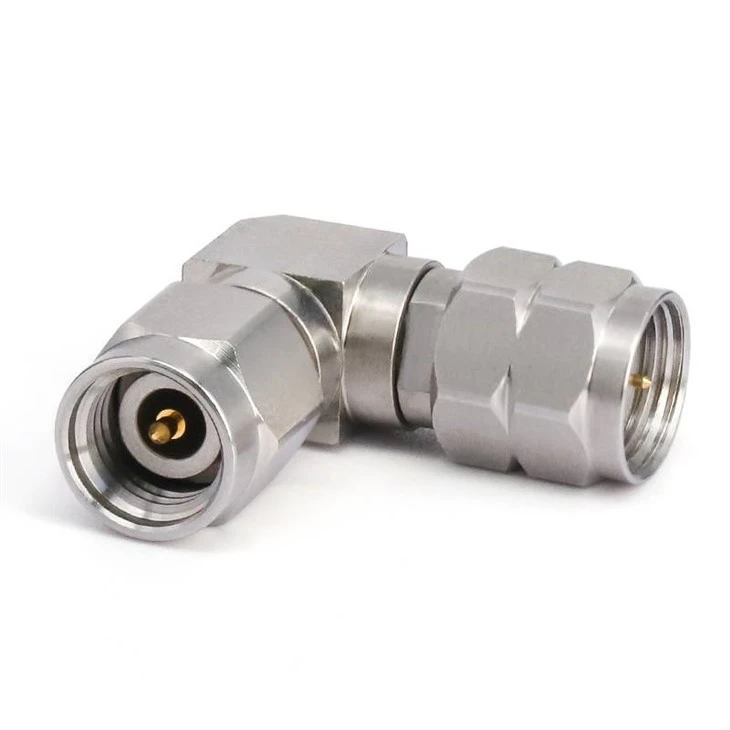
Right-angle adapters are similar to straight adapters, but they have a 90-degree bend in the middle. This design allows for more flexible routing of cables in tight spaces. Right-angle adapters are commonly used in applications where space is limited, such as in mobile devices and small enclosures.
3. Gender-Changing Adapters
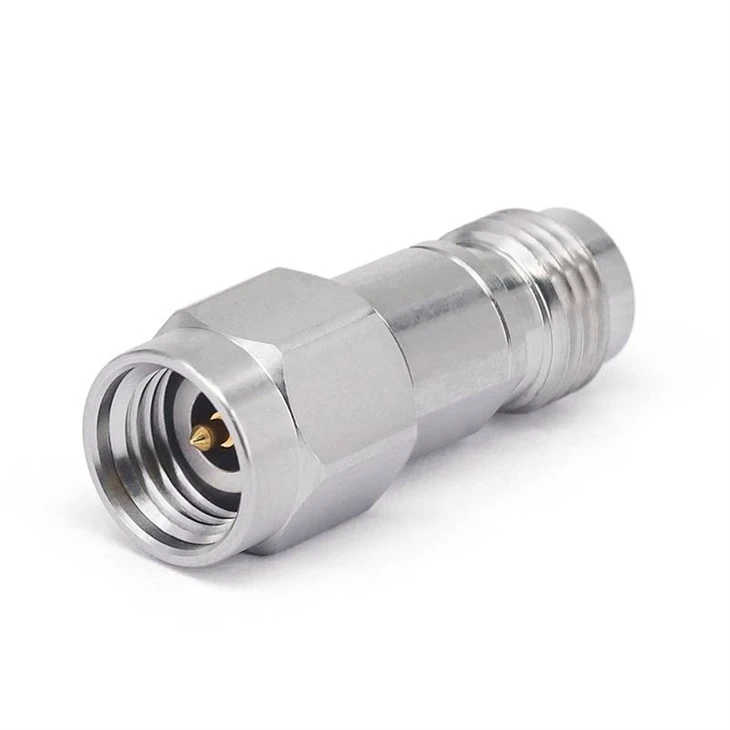
Gender-changing adapters are used to change the gender of a connector. For example, a male-to-female adapter can be used to connect a male connector to a female connector. Gender-changing adapters are useful when the connectors on two devices are not compatible due to their gender.
4. Frequency-Selective Adapters
Frequency-selective adapters are designed to operate within specific frequency bands. They are used to filter out unwanted frequencies and allow only the desired frequencies to pass through. Frequency-selective adapters are commonly used in applications such as wireless communication systems, where it is necessary to isolate specific frequency bands.
Importance of Quality RF Adapters in Mobile Communication
The quality of RF adapters can have a significant impact on the performance of a mobile communication system. Using low-quality adapters can lead to a variety of problems, including signal loss, interference, and reduced system reliability. Here are some reasons why it is important to use high-quality RF adapters in mobile communication:
1. Signal Integrity
High-quality RF adapters are designed to maintain the integrity of the RF signal. They have low insertion loss, high return loss, and good isolation, which ensures that the RF signal is transferred efficiently and without distortion. This is crucial for maintaining a strong and reliable wireless connection in mobile communication devices.
2. System Performance
The performance of a mobile communication system depends on the quality of its components, including RF adapters. Using high-quality adapters can improve the overall performance of the system, such as increasing the range, reducing interference, and improving data transfer rates.
3. Reliability
In mobile communication applications, reliability is of utmost importance. High-quality RF adapters are more reliable and less likely to fail compared to low-quality adapters. They are made from durable materials and are designed to withstand the rigors of daily use, ensuring that the system operates smoothly and without interruption.
Conclusion
In conclusion, RF adapters are essential components in mobile communication systems. They play a crucial role in ensuring the seamless transfer of RF signals between devices, antennas, and other RF equipment. By providing impedance matching, connector compatibility, and signal routing and distribution, RF adapters help to optimize the performance of mobile communication systems.
As a leading RF adapter supplier, we are committed to providing high-quality RF adapters that meet the diverse needs of our customers in the mobile communication industry. Our products are designed and manufactured to the highest standards, ensuring excellent performance, reliability, and durability.
If you are in the market for RF adapters for your mobile communication applications, we invite you to contact us to discuss your requirements. Our team of experts is ready to assist you in finding the right RF adapters for your specific needs. We look forward to the opportunity to work with you and contribute to the success of your mobile communication projects.
References
- Pozar, D. M. (2011). Microwave Engineering (4th ed.). Wiley.
- Collin, R. E. (2001). Foundations for Microwave Engineering (2nd ed.). Wiley.
- Gupta, K. C., Garg, R., & Bahl, I. J. (1996). Microstrip Lines and Slotlines (2nd ed.). Artech House.


