

How does the size of an antenna affect its performance?
Leave a message

Hey there! As a supplier of antennas, I've been getting a lot of questions lately about how the size of an antenna affects its performance. It's a super important topic, especially if you're in the market for a new antenna. So, I thought I'd take some time to break it down for you.
First off, let's talk about what an antenna actually does. In simple terms, an antenna is a device that converts electrical signals into electromagnetic waves and vice versa. It's like a bridge between your electronic device and the airwaves. And just like any bridge, its size can have a big impact on how well it works.
One of the most fundamental relationships in antenna design is between the size of the antenna and the wavelength of the signal it's meant to transmit or receive. Wavelength is the distance between two consecutive peaks or troughs of an electromagnetic wave. The general rule of thumb is that an antenna works best when its size is comparable to the wavelength of the signal.
For example, if you're dealing with a low - frequency signal, which has a long wavelength, you'll typically need a larger antenna. This is because the antenna needs to be able to interact effectively with the long - wave signal. On the other hand, high - frequency signals have short wavelengths, so you can get away with a smaller antenna.
Let's dig a little deeper into some of the key performance factors affected by antenna size:
Gain
Gain is a measure of how well an antenna can focus the radio waves in a particular direction. Generally, larger antennas tend to have higher gain. A bigger antenna has more surface area to capture and radiate the electromagnetic waves. This means it can send and receive signals more effectively in a specific direction.
For instance, in a communication system where you need to send a signal over a long distance, a high - gain antenna is crucial. A large parabolic antenna, often seen on satellite dishes, can have a very high gain because of its large size. It can focus the signal towards the satellite with great precision, allowing for reliable long - distance communication.
Bandwidth
Bandwidth refers to the range of frequencies that an antenna can handle effectively. Smaller antennas usually have a wider bandwidth compared to larger ones. This is because they can interact with a broader range of wavelengths.
If you're working in an environment where you need to receive or transmit signals across a wide range of frequencies, a smaller antenna might be a better choice. For example, in some wireless communication systems that use multiple frequency bands, a compact antenna can provide the flexibility needed to operate across different frequencies.
Directivity
Directivity is related to how well an antenna can send or receive signals in a particular direction. Larger antennas are more directive. They can focus the radio waves in a narrow beam, which is great for point - to - point communication.
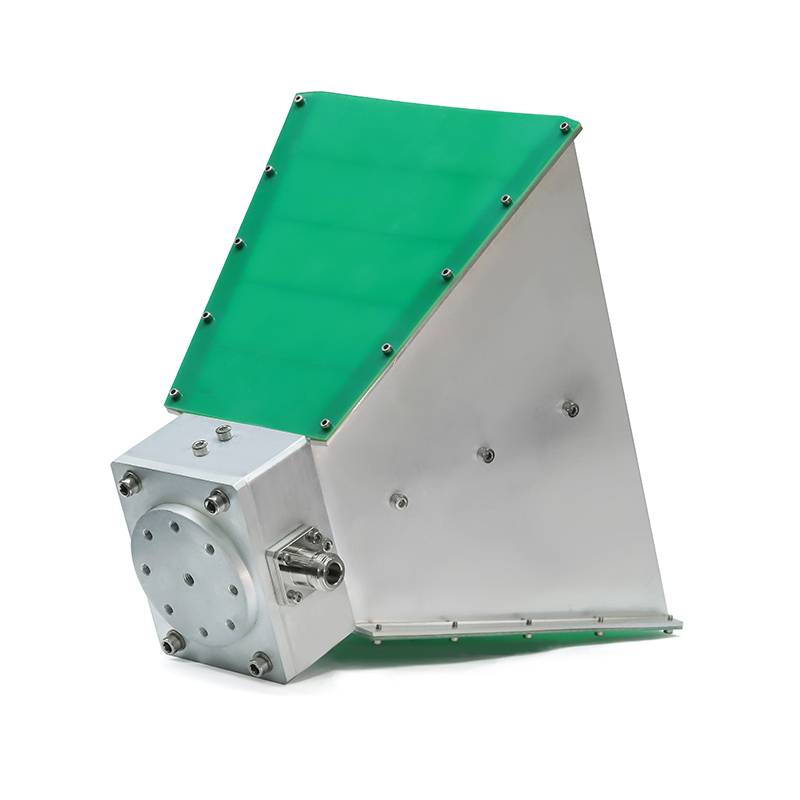
Imagine you're setting up a wireless link between two buildings. A large, highly directive antenna can be aimed precisely at the other building, minimizing interference from other directions and maximizing the signal strength between the two points.
Radiation Pattern
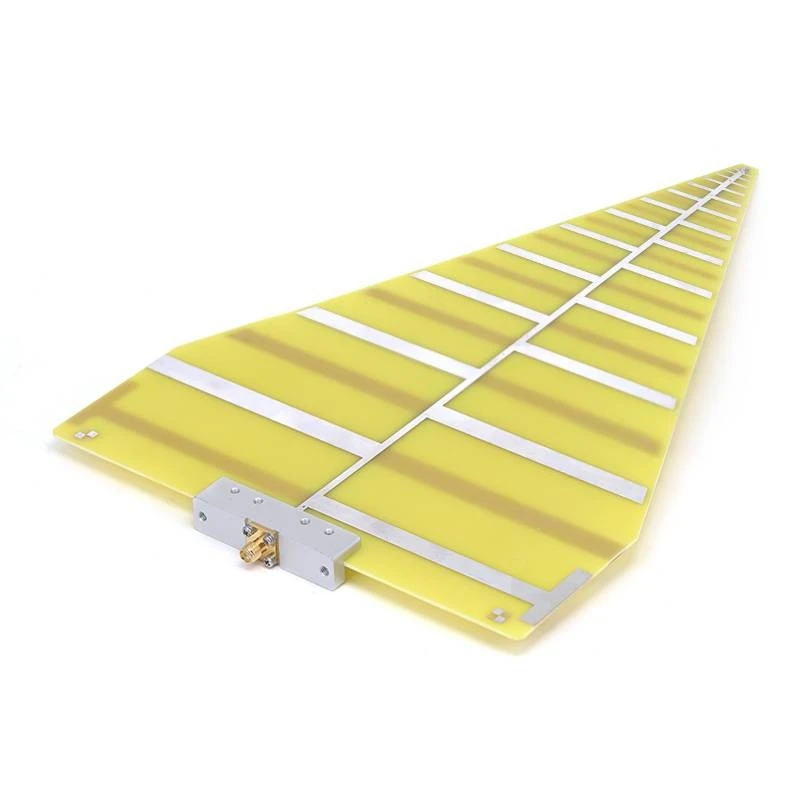
The radiation pattern of an antenna shows how the antenna radiates or receives signals in different directions. The size of the antenna plays a significant role in shaping this pattern. Larger antennas often have more complex radiation patterns that can be tailored to specific applications.
For example, some large Log - periodic Antennas have radiation patterns that are designed to cover a wide range of directions in the horizontal plane while still providing good gain. This makes them suitable for applications like broadcast reception, where you need to pick up signals from multiple sources.
Size and Practicality
Of course, the size of an antenna isn't just about performance. Practical considerations also come into play. In some cases, you might not have the space for a large antenna. For example, in mobile devices like smartphones, size is a major constraint.
Manufacturers have to design small antennas that can still provide decent performance within the limited space available. These small antennas are often a compromise between size and performance, but thanks to advancements in antenna technology, they can still offer good functionality.
Different Types of Antennas and Size
Let's take a look at how size affects different types of antennas:
Dipole Antennas
Dipole antennas are one of the simplest and most common types of antennas. The length of a dipole antenna is typically half the wavelength of the signal it's designed for. A longer dipole antenna will have a different radiation pattern and gain compared to a shorter one.
Horn Antennas
Horn antennas are known for their high gain and directivity. Larger horn antennas can have even higher gain and better directivity, making them ideal for applications like radar systems and microwave communication.
Patch Antennas
Patch antennas are small and flat, making them popular for use in mobile devices and wireless access points. Their small size limits their gain and bandwidth to some extent, but they offer the advantage of being compact and easy to integrate into various devices.
Real - World Examples
In the real world, the choice of antenna size depends on the specific application. For example, in a home Wi - Fi router, a small antenna is sufficient because the range is relatively short, and you need to cover a wide area around the router. The small antenna can provide a decent bandwidth to support multiple devices connecting to the network.
On the other hand, in a military communication system where long - distance, high - security communication is required, large, high - gain antennas are used. These antennas can send and receive signals over hundreds of miles with minimal interference.
So, as you can see, the size of an antenna has a profound impact on its performance. When you're looking for an antenna, it's important to consider your specific needs. Do you need long - distance communication? A wide range of frequencies? Or perhaps you're limited by space?
If you're still not sure which antenna is right for you, don't hesitate to reach out. As an antennas supplier, I've got a lot of experience in helping customers find the perfect antenna for their applications. Whether you need a small, compact antenna for your mobile device or a large, high - gain antenna for a long - distance communication system, I can provide you with the right solution.
Let's have a chat about your requirements and see how we can work together to get you the best antenna for your needs. Looking forward to hearing from you!
References
- "Antenna Theory: Analysis and Design" by Constantine A. Balanis
- "Modern Antenna Design" by Thomas A. Milligan


