

How to install Coax Connectors on a coaxial adapter?
Leave a message

As a seasoned Coax Connectors supplier, I've witnessed firsthand the importance of properly installing coax connectors on a coaxial adapter. Whether you're a professional installer or a DIY enthusiast, mastering this skill is crucial for ensuring optimal performance and reliability in your coaxial cable systems. In this blog post, I'll guide you through the step-by-step process of installing coax connectors on a coaxial adapter, sharing valuable tips and insights along the way.
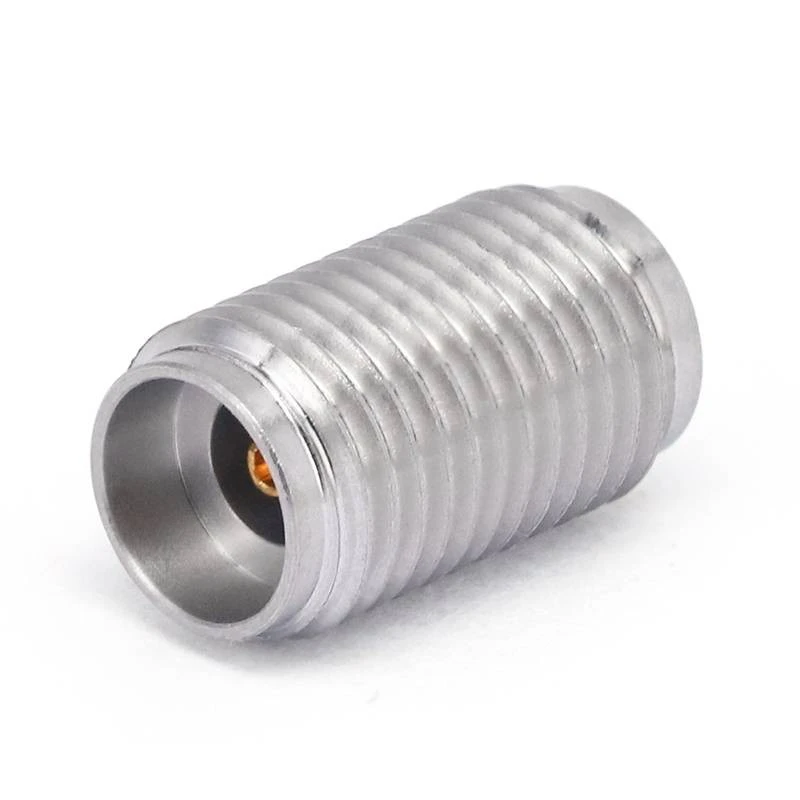
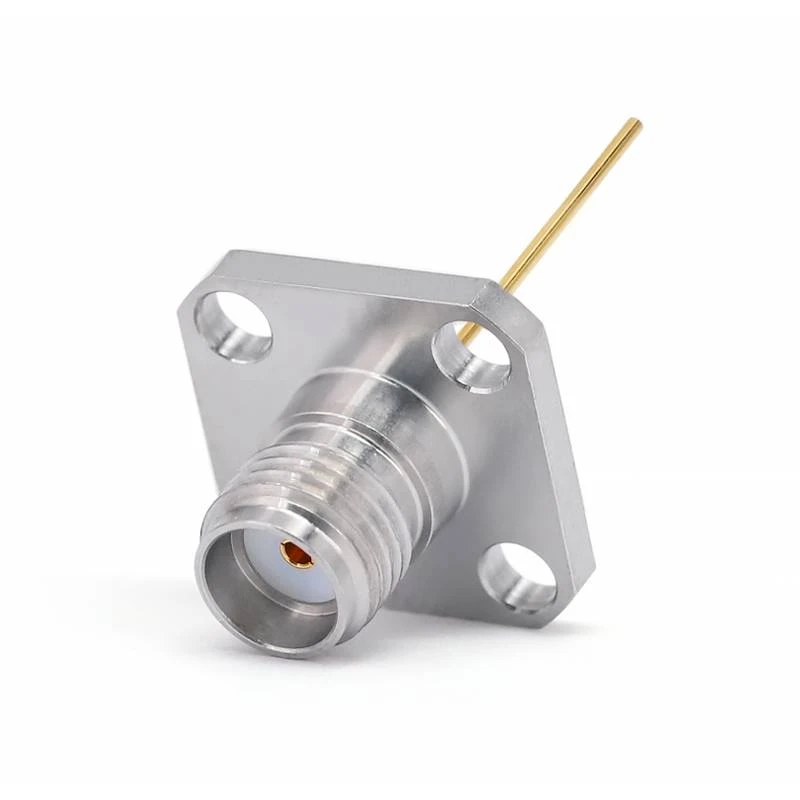
Understanding Coax Connectors and Coaxial Adapters
Before we dive into the installation process, let's take a moment to understand the components involved. Coax connectors are used to terminate coaxial cables, providing a secure and reliable connection between the cable and other devices. They come in various types, including BNC, F-type, SMA, and N-type connectors, each designed for specific applications and frequencies.
Coaxial adapters, on the other hand, are used to join two coaxial cables or connect a coaxial cable to a device. They are available in different configurations, such as straight adapters, right-angle adapters, and bulkhead adapters, to accommodate various installation requirements.
Tools and Materials You'll Need
To install coax connectors on a coaxial adapter, you'll need the following tools and materials:
- Coax connectors (choose the appropriate type for your application)
- Coaxial adapter
- Coaxial cable
- Coax cable stripper
- Crimping tool (if using crimp-style connectors)
- Soldering iron and solder (if using solder-style connectors)
- Wire cutters
- Needle-nose pliers
- Electrical tape
Step-by-Step Installation Process
Now that you have all the necessary tools and materials, let's walk through the installation process step by step:
Step 1: Prepare the Coaxial Cable
- Start by measuring and cutting the coaxial cable to the desired length using wire cutters. Make sure to leave enough slack for easy installation.
- Use a coax cable stripper to remove the outer jacket of the cable, exposing the inner conductor, dielectric insulation, and braided shield. Follow the manufacturer's instructions for your specific stripper to ensure a clean and precise cut.
- Carefully trim the exposed braided shield and dielectric insulation to the appropriate length, leaving about 1/4 to 3/8 inch of the inner conductor exposed.
Step 2: Prepare the Coax Connector
- If you're using crimp-style connectors, slide the connector onto the end of the coaxial cable, making sure the inner conductor passes through the center of the connector.
- If you're using solder-style connectors, apply a small amount of solder to the tip of the soldering iron and heat the connector's contact point. Then, insert the exposed inner conductor into the connector and hold it in place until the solder melts and forms a secure bond.
Step 3: Attach the Connector to the Coaxial Cable
- For crimp-style connectors, use a crimping tool to compress the connector onto the coaxial cable. Make sure to use the appropriate crimping die for your specific connector to ensure a proper fit.
- For solder-style connectors, continue to heat the connector and inner conductor with the soldering iron until the solder flows evenly around the connection. Use needle-nose pliers to hold the connector in place while soldering.
- Once the connector is securely attached to the coaxial cable, use a pair of needle-nose pliers to gently tug on the connector to ensure it's firmly seated.
Step 4: Install the Coaxial Adapter
- If you're using a straight adapter, simply connect the two coaxial cables to the adapter by screwing the connectors onto the adapter's ports. Make sure to tighten the connectors securely to prevent signal loss or interference.
- If you're using a right-angle or bulkhead adapter, follow the manufacturer's instructions for proper installation. In some cases, you may need to use a wrench or pliers to tighten the adapter onto the mounting surface.
Step 5: Test the Connection
- Once the coax connectors are installed on the coaxial adapter, it's important to test the connection to ensure it's working properly. You can use a cable tester or a multimeter to check the continuity and impedance of the connection.
- If the connection fails the test, double-check the installation to make sure the connectors are properly attached and the cables are securely connected to the adapter. You may need to repeat the installation process if necessary.
Tips and Tricks for a Successful Installation
- Always use high-quality coax connectors and coaxial cables to ensure optimal performance and reliability.
- Follow the manufacturer's instructions for your specific connectors and tools to ensure a proper fit and installation.
- Take your time and be careful when stripping the coaxial cable to avoid damaging the inner conductor or braided shield.
- Use a crimping tool or soldering iron that is appropriate for your specific connectors to ensure a secure and reliable connection.
- If you're unsure about any step of the installation process, consult a professional installer or refer to the manufacturer's documentation for guidance.
Recommended Coax Connectors and Adapters
As a Coax Connectors supplier, I recommend the following products for your coaxial cable installations:
- Field Replaceable Connectors: These connectors are designed for easy installation and replacement in the field, making them ideal for applications where quick and convenient maintenance is required.
- Glass Beads: Glass beads are used to provide insulation and support for the inner conductor of a coaxial cable, ensuring a stable and reliable connection.
- Terminal Connectors: Terminal connectors are used to terminate coaxial cables and provide a secure connection to other devices, such as antennas, routers, and televisions.
Contact Us for More Information
If you have any questions or need further assistance with installing coax connectors on a coaxial adapter, please don't hesitate to contact us. As a leading Coax Connectors supplier, we have the expertise and experience to help you find the right products for your specific needs. Whether you're looking for high-quality connectors, adapters, or cables, we have a wide range of options to choose from.
Conclusion
Installing coax connectors on a coaxial adapter is a relatively simple process that can be completed with the right tools and materials. By following the step-by-step instructions outlined in this blog post and using the recommended tips and tricks, you can ensure a successful installation and enjoy optimal performance and reliability in your coaxial cable systems.
Remember, if you have any questions or need further assistance, don't hesitate to contact us. We're here to help you find the right Coax Connectors and solutions for your specific needs.
References
- Coaxial Cable Installation Guide, [Manufacturer's Name]
- RF Connectors Handbook, [Author's Name]
- Electrical Wiring and Installation Manual, [Publication Name]


