

How to integrate an N Adapter into a home automation system?
Leave a message

Hey there! I'm a supplier of N Adapters, and today I'm gonna share with you how to integrate an N Adapter into a home automation system. It might seem a bit tricky at first, but with the right steps, you'll have it up and running in no time.
Understanding the Basics of N Adapters
Before we dive into the integration process, let's quickly go over what an N Adapter is. N Adapters are a type of RF (Radio Frequency) adapter that are commonly used in various electronic systems, including home automation. They're designed to connect different types of RF components, like antennas, cables, and devices, ensuring a stable and reliable signal transmission.
There are different types of N Adapters available in the market, each with its own unique features and applications. For example, the SMA Adapter is often used for high-frequency applications, while the 1.0mm Adapter is suitable for ultra-high-frequency signals. The GPO SMP Adapter is another popular choice, known for its excellent performance in high-speed data transfer.
Assessing Your Home Automation System
The first step in integrating an N Adapter into your home automation system is to assess your current setup. You need to understand what components you already have and how they're connected. This will help you determine where the N Adapter fits in and what type of adapter you need.
Start by making a list of all the RF components in your system, such as routers, smart sensors, and wireless cameras. Note down their connection types and frequencies. This information will be crucial when selecting the right N Adapter for your system.
Next, check the available ports on your devices. Make sure they're compatible with the N Adapter you're planning to use. If not, you might need to use additional adapters or cables to make the connection.
Selecting the Right N Adapter
Once you have a clear understanding of your home automation system, it's time to select the right N Adapter. There are several factors to consider when making this decision.
Frequency Range: The frequency range of the N Adapter should match the frequency of your home automation system. Most home automation devices operate in the 2.4GHz or 5GHz frequency bands, so make sure the adapter you choose supports these frequencies.
Connector Type: N Adapters come in different connector types, such as male and female connectors. Make sure the connector type of the adapter matches the ports on your devices.
Quality and Performance: Look for N Adapters that are made from high-quality materials and have good performance specifications. This will ensure a stable and reliable signal transmission.
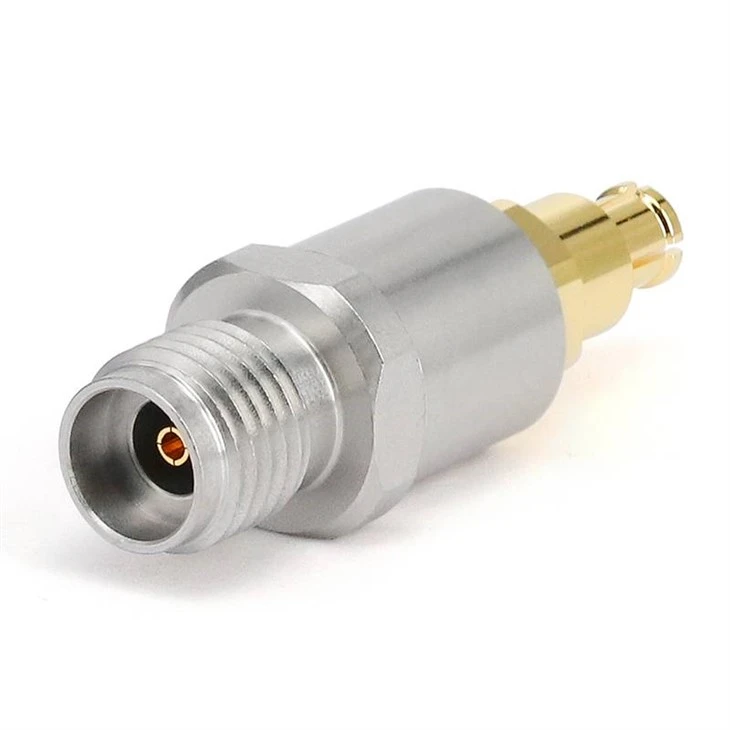
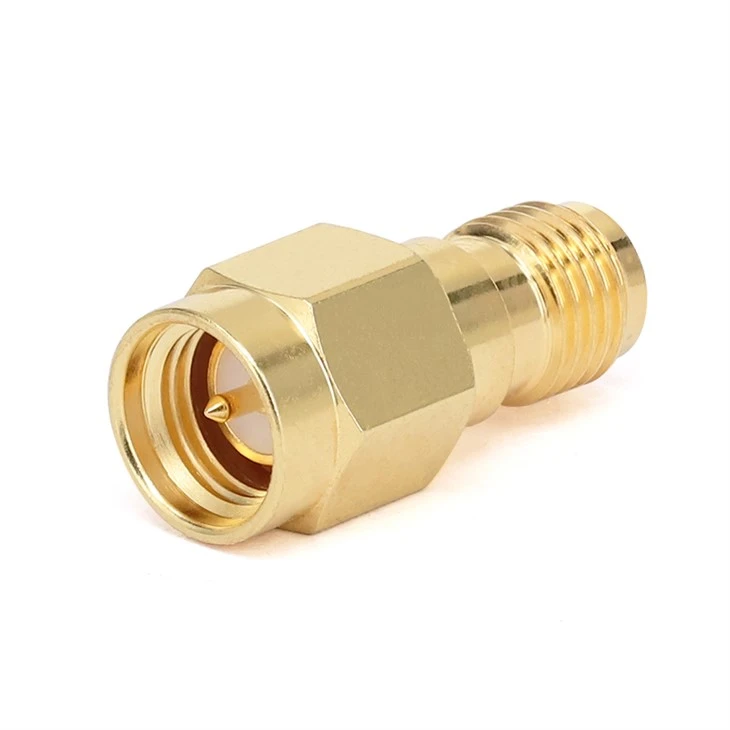
Compatibility: Ensure that the N Adapter is compatible with your home automation system and other RF components. Check the manufacturer's specifications or consult with a professional if you're unsure.
Preparing for Integration
Before you start integrating the N Adapter into your home automation system, there are a few things you need to do to prepare.
Gather the Necessary Tools: You'll need a few basic tools, such as a screwdriver, pliers, and a cable cutter. Make sure you have these tools on hand before you start the integration process.
Read the Manual: Carefully read the user manual that comes with the N Adapter. This will give you detailed instructions on how to install and use the adapter.
Power Off Your Devices: Before making any connections, turn off all the devices in your home automation system. This will prevent any electrical damage or short circuits.
Integrating the N Adapter
Now that you're prepared, it's time to integrate the N Adapter into your home automation system. Here's a step-by-step guide on how to do it:
Step 1: Connect the N Adapter to the Device
Locate the port on your device where you want to connect the N Adapter. If it's a male port, connect the female end of the N Adapter to it. If it's a female port, connect the male end of the N Adapter. Make sure the connection is secure and tight.
Step 2: Connect the Other End of the N Adapter
Once the N Adapter is connected to the device, connect the other end to the RF component you want to connect. This could be an antenna, a cable, or another device. Again, make sure the connection is secure and tight.
Step 3: Test the Connection
After making all the connections, turn on your devices and test the connection. Check if the RF component is working properly and if the signal is stable. If you encounter any issues, double-check the connections and make sure everything is properly installed.
Troubleshooting Common Issues
Even if you follow all the steps correctly, you might encounter some issues during the integration process. Here are some common issues and how to troubleshoot them:
Poor Signal Strength: If you're experiencing poor signal strength, check the connections to make sure they're secure. You might also need to adjust the position of the antenna or the device to improve the signal.
Interference: Interference from other electronic devices can also affect the performance of your home automation system. Try moving the devices away from each other or using shielded cables to reduce interference.
Compatibility Issues: If the N Adapter is not compatible with your home automation system or other RF components, you might need to replace the adapter or use additional adapters to make the connection.
Maintenance and Care
Once you've successfully integrated the N Adapter into your home automation system, it's important to maintain and care for it properly. Here are some tips on how to do it:
Keep the Adapter Clean: Regularly clean the N Adapter to remove any dust or debris. You can use a soft cloth or a brush to clean the connectors.
Store the Adapter Properly: When not in use, store the N Adapter in a cool, dry place. Avoid exposing it to extreme temperatures or humidity.
Check the Connections Regularly: Periodically check the connections to make sure they're secure. If you notice any loose connections, tighten them immediately.
Conclusion
Integrating an N Adapter into a home automation system might seem like a daunting task, but with the right knowledge and tools, it's actually quite simple. By following the steps outlined in this blog post, you can easily integrate an N Adapter into your system and enjoy a stable and reliable RF connection.
If you have any questions or need further assistance with integrating an N Adapter into your home automation system, don't hesitate to contact us. We're here to help you find the right solution for your needs. Whether you're a DIY enthusiast or a professional installer, we have the expertise and products to support you. Let's start a conversation about your project and explore how our N Adapters can enhance your home automation experience.
References
- "RF Adapter Handbook" by RF Solutions Inc.
- "Home Automation Systems: A Comprehensive Guide" by Smart Home Magazine.


