
Do glass beads change color in sunlight?
Leave a message

As a supplier of Glass Beads, I often encounter a fascinating question from customers: Do glass beads change color in sunlight? This question not only piques the curiosity of bead enthusiasts but also has practical implications in various industries where glass beads are used. In this blog, we'll explore the science behind glass beads and their interaction with sunlight, and how it relates to our offerings at [Not using specific company name as per instruction].
Understanding Glass Beads
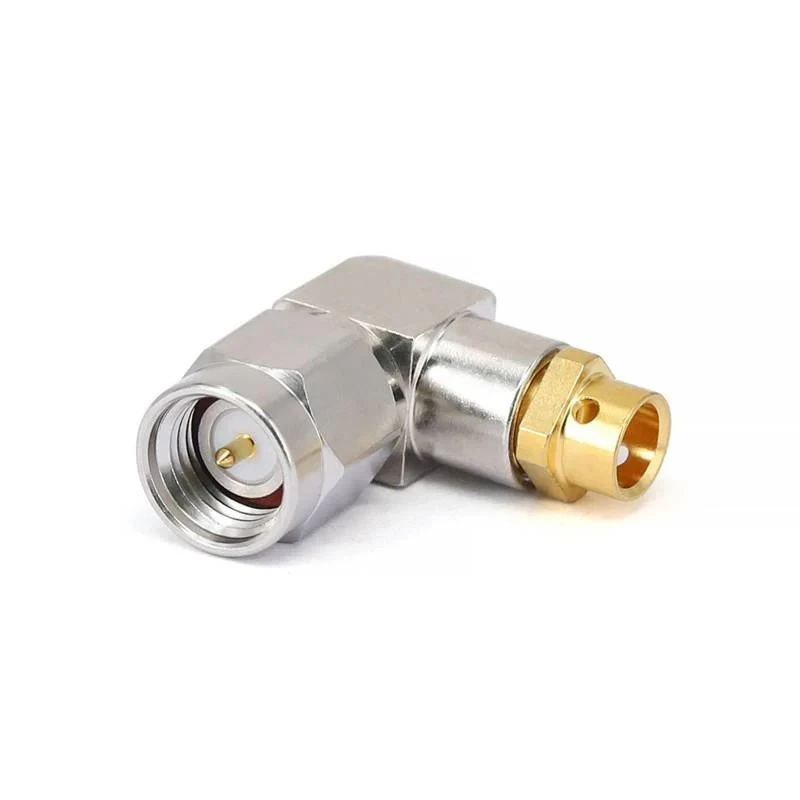
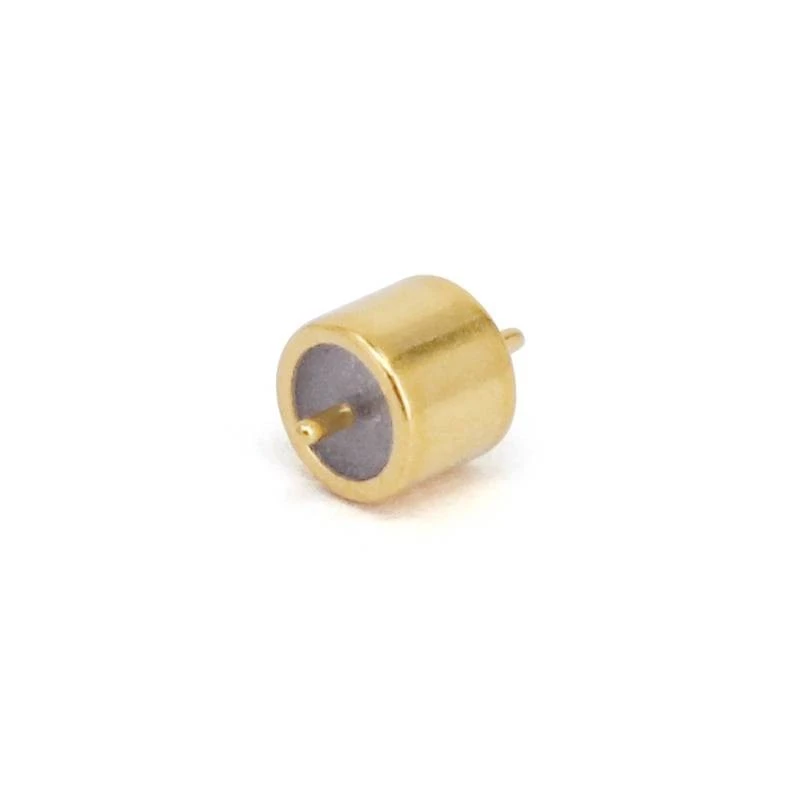
Before delving into the color - changing aspect, let's first understand what glass beads are. Glass beads are small, spherical objects made from glass. They come in a wide range of sizes, colors, and finishes, and are used in numerous applications. From jewelry making to industrial uses such as in End Launch Connectors and Coax Connectors, glass beads are incredibly versatile.
The composition of glass beads plays a crucial role in their properties. Most glass beads are made from silica, which is the main component of sand. However, different additives are used to give glass beads their unique colors and characteristics. For example, adding cobalt oxide can result in a blue - colored glass bead, while iron oxide can produce green or brown hues.
The Science of Color in Glass Beads
The color of a glass bead is determined by two main factors: absorption and reflection of light. When light hits a glass bead, some wavelengths of light are absorbed by the chemicals in the glass, while others are reflected. The wavelengths that are reflected are the ones we perceive as the color of the bead.
For instance, a red glass bead appears red because it absorbs most of the other wavelengths of light in the visible spectrum and reflects the red wavelengths. This is a fundamental principle of color in glass beads under normal lighting conditions.
Interaction with Sunlight
Sunlight is a complex mixture of different wavelengths of light, including ultraviolet (UV) light, visible light, and infrared light. When glass beads are exposed to sunlight, several things can happen.
1. No Color Change
In most cases, ordinary glass beads do not change color in sunlight. The chemicals that give them their color are stable under normal sunlight exposure. For example, the simple colored glass beads used in jewelry making, which are made with common metal oxides as colorants, will retain their color for a long time. These beads are designed to be durable and resistant to fading, so they can be worn outdoors without significant color alteration.
2. Potential for Color Change
However, there are some special types of glass beads that can change color in sunlight. These are often called photochromic glass beads. Photochromic materials contain molecules that change their structure when exposed to UV light. When the structure of these molecules changes, they absorb and reflect light differently, resulting in a color change.
For example, some high - tech glass beads used in scientific or optical applications might be made with photochromic compounds. When these beads are exposed to sunlight, they can darken or change color. This property is useful in applications where the intensity of light needs to be regulated, such as in some types of sensors or optical filters.
Applications of Glass Beads and Color Considerations
The color stability or change in glass beads has significant implications in different industries.
Jewelry Making
In the jewelry industry, customers expect their glass bead jewelry to maintain its color over time. As a supplier, we ensure that the glass beads we provide for jewelry making are color - stable. Our Glass Beads used in this sector are tested to withstand normal sunlight exposure without significant fading, so that the beautiful necklaces, bracelets, and earrings made from them can be enjoyed for years.
Industrial Applications
In industrial applications, such as in End Launch Connectors and Coax Connectors, color stability is also crucial. These connectors often use glass beads for insulation or other functional purposes. Any color change in these beads could indicate a change in their chemical or physical properties, which might affect the performance of the connectors.
On the other hand, in some specialized industrial applications where light - sensitive components are involved, photochromic glass beads could be used to create self - adjusting optical systems. For example, in some optical sensors, the ability of a glass bead to change color in response to sunlight can be used to measure light intensity or to protect other components from excessive light.
Factors Affecting Color Change
If a glass bead is prone to color change in sunlight, several factors can influence the extent and speed of this change.
1. Duration of Sunlight Exposure
The longer a glass bead is exposed to sunlight, the more likely it is to experience a color change, especially if it is a photochromic bead. Prolonged exposure to UV light can cause more molecules in the photochromic material to change their structure, resulting in a more noticeable color shift.
2. Intensity of Sunlight
The intensity of sunlight also matters. In regions with strong sunlight, such as near the equator or at high altitudes, glass beads are more likely to be affected. The higher the UV radiation in the sunlight, the faster the color change process can occur in photochromic glass beads.
3. Quality of the Glass Bead
The quality of the glass bead, including the purity of the colorants and the manufacturing process, can affect its color stability. High - quality glass beads are often made with more stable colorants and better manufacturing techniques, which can make them more resistant to color change in sunlight.
Our Offerings as a Glass Bead Supplier
As a supplier of glass beads, we offer a wide range of products to meet different customer needs. For those who need color - stable glass beads for jewelry making or industrial applications, we have a selection of high - quality beads that are tested for sunlight resistance.
On the other hand, for customers who are interested in the unique properties of photochromic glass beads, we can also provide specialized products. These beads are carefully sourced and tested to ensure that they exhibit the desired color - changing properties in sunlight.
Conclusion
In conclusion, while most ordinary glass beads do not change color in sunlight, there are special photochromic glass beads that can. Understanding the science behind the color of glass beads and their interaction with sunlight is important for both consumers and industries.
Whether you are a jewelry maker looking for long - lasting colored beads or an engineer in need of specialized glass beads for optical applications, we have the right products for you. If you are interested in learning more about our glass bead offerings or have specific requirements for your project, please feel free to reach out to us for a detailed discussion. We are committed to providing high - quality glass beads that meet your needs.
References
- Nassau, K. (1983). The Physics and Chemistry of Color: The Fifteen Causes of Color. Wiley - Interscience.
- Shelby, J. E. (1997). Introduction to Glass Science and Technology. Royal Society of Chemistry.


