
How to minimize crosstalk in VNA test cables?
Leave a message

Crosstalk is a common and troublesome issue in the field of VNA (Vector Network Analyzer) testing. As a VNA Test Cables supplier, I've witnessed firsthand how crosstalk can significantly impact the accuracy and reliability of test results. In this blog, I'll share some effective strategies to minimize crosstalk in VNA test cables, drawing on my years of experience in the industry.

Understanding Crosstalk in VNA Test Cables
Before delving into solutions, it's crucial to understand what crosstalk is and how it occurs in VNA test cables. Crosstalk refers to the unwanted coupling of electrical signals between adjacent conductors within a cable or between different cables. This interference can distort the signals being measured, leading to inaccurate test results.
There are two main types of crosstalk: near - end crosstalk (NEXT) and far - end crosstalk (FEXT). NEXT occurs when the interfering signal is measured at the same end of the cable as the source of the signal, while FEXT is measured at the opposite end of the cable.
The causes of crosstalk in VNA test cables are diverse. Physical proximity of conductors is a major factor. When conductors are too close together, the electromagnetic fields generated by the signals can interact, causing interference. Additionally, cable impedance mismatches, improper shielding, and external electromagnetic interference can also contribute to crosstalk.
Selecting the Right Cables
One of the most fundamental steps in minimizing crosstalk is selecting the appropriate VNA test cables. VNA Test Cables with proper shielding are essential. High - quality shielding materials, such as braided copper or foil, can effectively block external electromagnetic interference and reduce the coupling of signals between conductors.
For example, semi - rigid cables are known for their excellent shielding properties. They have a solid outer conductor that provides a high level of protection against crosstalk. However, they are less flexible compared to flexible cables. On the other hand, flexible cables are more convenient for use in various test setups, but they require careful consideration of shielding design.
Another important factor is the cable's impedance. VNA test cables should have a well - defined and consistent impedance to minimize signal reflections and crosstalk. Most VNA systems operate with a characteristic impedance of 50 ohms, so it's crucial to choose cables with a 50 - ohm impedance to ensure proper signal transmission.
Cable Routing and Installation
Proper cable routing and installation play a vital role in reducing crosstalk. When laying out the cables, keep them as far apart as possible. Running cables parallel to each other for long distances can increase the likelihood of crosstalk. Instead, try to cross cables at right angles whenever possible.
Avoid bundling cables tightly together. Bundling can cause the electromagnetic fields of adjacent cables to interact more strongly, leading to increased crosstalk. If cables need to be bundled, use cable ties sparingly and leave some space between the cables to allow for better air circulation and reduced electromagnetic coupling.
It's also important to secure the cables properly. Loose cables can move around, which may change their electromagnetic environment and increase the risk of crosstalk. Use cable clips or mounts to keep the cables in place.
Shielding and Grounding
Effective shielding and grounding are key to minimizing crosstalk. Ensure that the cable shields are properly connected and grounded. A good ground connection provides a low - impedance path for the unwanted electromagnetic energy to flow, reducing the interference between conductors.
When installing the cables, make sure the shield connections are clean and tight. Loose or corroded shield connections can degrade the shielding effectiveness and increase crosstalk. In some cases, additional grounding straps or grounding plates can be used to improve the grounding performance.
For multi - conductor cables, individual shielding for each conductor can be considered. This provides an extra layer of protection against crosstalk between conductors within the same cable.
Calibration
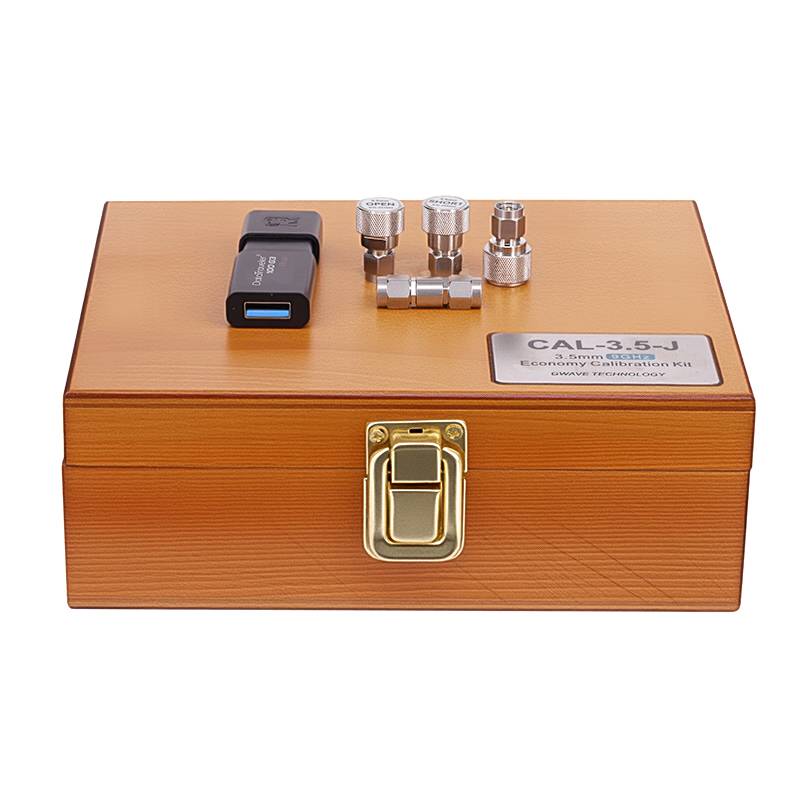
Regular calibration is essential for accurate VNA testing and can also help in minimizing crosstalk. Calibration Kits are used to correct for the systematic errors in the VNA system, including those caused by crosstalk.
Calibration should be performed according to the manufacturer's recommendations. This typically involves using a set of known standards to measure and correct for the errors in the VNA system. By calibrating the system regularly, the impact of crosstalk on the test results can be minimized.
Environmental Considerations
The environment in which the VNA testing is conducted can also affect crosstalk. External electromagnetic interference from sources such as power lines, motors, and other electronic equipment can increase crosstalk in the test cables.
To reduce the impact of external interference, consider using a shielded test enclosure. A shielded enclosure can block the external electromagnetic fields and provide a more controlled testing environment. Additionally, keep the test area clean and free from clutter, as metal objects and other conductive materials can reflect and scatter electromagnetic waves, increasing the interference.
Monitoring and Testing
Regular monitoring and testing of the VNA test cables can help detect and address crosstalk issues early. Use a VNA to measure the crosstalk levels in the cables periodically. Compare the measured crosstalk values with the specified limits to determine if the cables are performing within the acceptable range.
If the crosstalk levels exceed the limits, investigate the possible causes. It could be due to cable damage, improper installation, or environmental factors. Replace the damaged cables or make the necessary adjustments to the installation and environment to reduce the crosstalk.
Conclusion
Minimizing crosstalk in VNA test cables is a multi - faceted process that requires careful consideration of cable selection, routing, shielding, grounding, calibration, and environmental factors. By implementing these strategies, you can significantly improve the accuracy and reliability of your VNA testing results.
As a VNA Test Cables supplier, I'm committed to providing high - quality cables and solutions to help you overcome crosstalk challenges. If you have any questions or need further assistance in selecting the right cables or minimizing crosstalk, please don't hesitate to contact me for a procurement discussion. I'm here to support you in achieving the best possible test results.
References
- "RF and Microwave Circuit Design for Wireless Applications" by Chris Bowick
- "Handbook of Transmitter Design and Development" by Joseph J. Carr


