

How to troubleshoot power divider problems?
Leave a message

Hey there! As a power dividers supplier, I've seen my fair share of power divider problems. In this blog, I'll share some tips on how to troubleshoot these issues.
Understanding Power Dividers
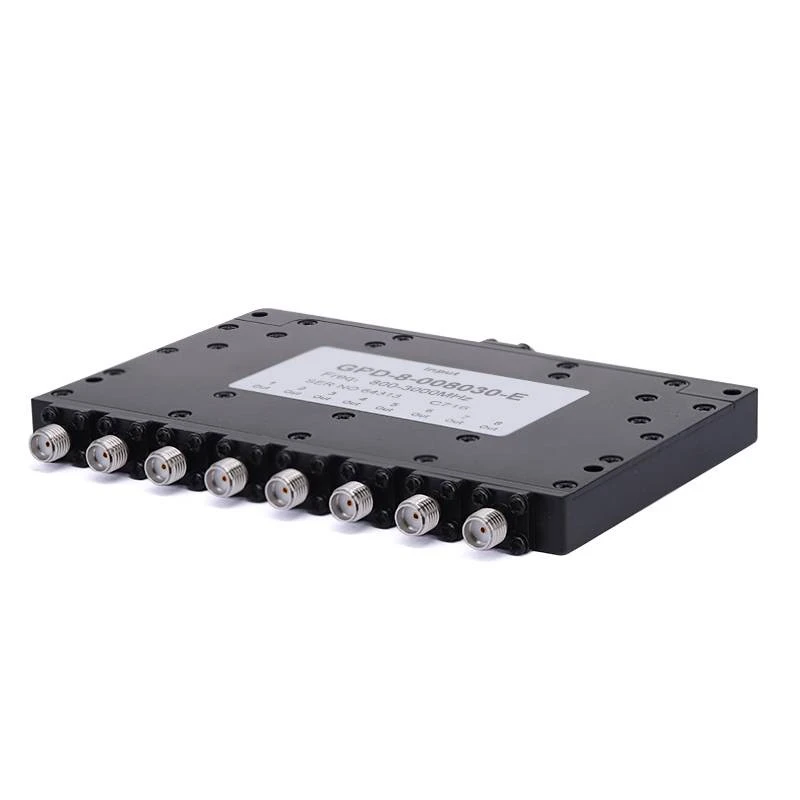
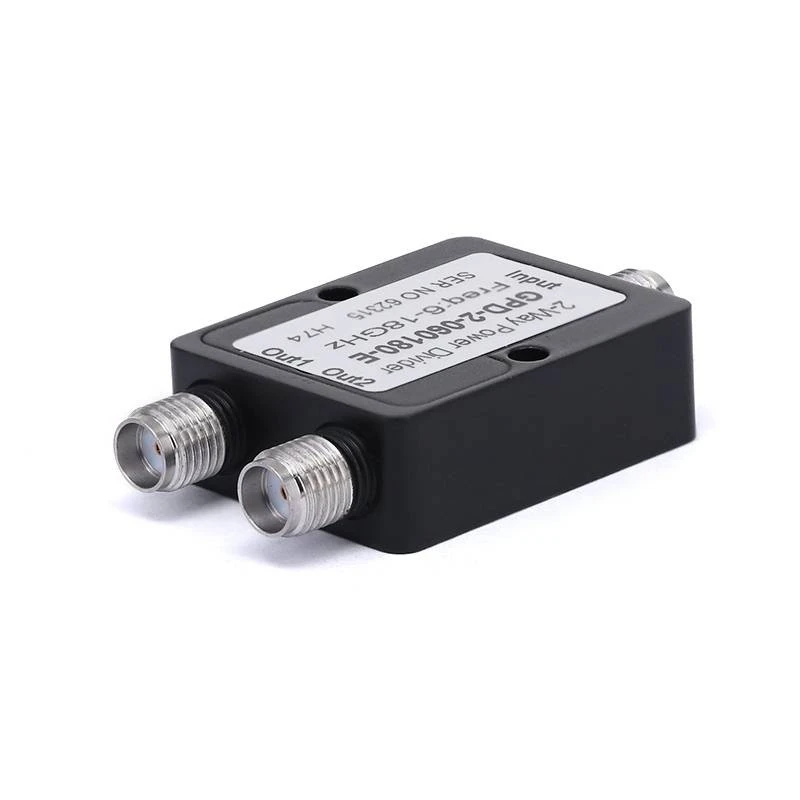
First off, let's quickly go over what power dividers are. Power dividers are devices that split an input signal into multiple output signals. They're used in a whole bunch of applications, like in communication systems, radar, and test equipment. We offer different types of power dividers, such as 2-Way Power Dividers, 6-Way Power Dividers, and 8-Way Power Dividers.
Common Power Divider Problems and Solutions
1. Poor Isolation
Isolation is super important in power dividers. It measures how well the output ports are isolated from each other. If you're experiencing poor isolation, here are some things to check:
- Physical Inspection: Have a good look at the power divider for any signs of damage. Loose connections, bent pins, or cracked circuit boards can all lead to poor isolation. Make sure all the connectors are firmly attached and there are no visible signs of wear and tear.
- Frequency Range: Power dividers are designed to work within a specific frequency range. If you're operating outside of this range, isolation can suffer. Check the datasheet of your power divider to confirm that you're using it within the recommended frequency limits.
- Environmental Factors: Extreme temperatures, humidity, and vibration can also affect isolation. Try to keep the power divider in a stable environment. If it's in a harsh environment, consider using protective enclosures or shields.
2. High Insertion Loss
Insertion loss is the amount of power that's lost when the signal passes through the power divider. High insertion loss can be a real pain. Here's how to troubleshoot it:
- Load Impedance: Mismatched load impedance can cause high insertion loss. Make sure that the impedance of the load connected to each output port matches the characteristic impedance of the power divider. Usually, this is 50 ohms, but it can vary depending on the design.
- Signal Source: A weak or noisy signal source can also contribute to high insertion loss. Check the output power and quality of your signal source. You might need to use an amplifier or a cleaner signal generator to improve the situation.
- Component Aging: Over time, the components in the power divider can degrade, leading to increased insertion loss. If you suspect component aging, it might be time to replace the power divider.
3. Uneven Power Division
Ideally, the power should be divided equally among all the output ports. But sometimes, you might notice that some ports are getting more power than others. Here's what to do:
- Output Port Testing: Use a power meter to measure the power at each output port. This will help you identify which ports are receiving more or less power. If there's a significant difference, it could be due to a problem with the internal circuitry of the power divider.
- Internal Component Failure: One of the resistors or capacitors inside the power divider might be faulty. You can try to test these components using a multimeter. If you find a faulty component, you can either replace it if you have the skills and tools, or get a new power divider.
- External Interference: External electromagnetic interference can disrupt the power division. Check for any nearby sources of interference, such as other electronic devices or cables. You might need to move the power divider or use shielding to reduce the interference.
4. No Output Signal
This is one of the most frustrating problems. If you're not getting any output signal at all, here's where to start:
- Power Supply: Make sure that the power divider is properly powered. Check the power source and the connections to ensure that there's no power outage or loose connection.
- Input Signal: Double-check that you're actually sending a signal to the input port. Use a signal generator or an oscilloscope to verify the input signal.
- Fuse or Circuit Breaker: Some power dividers have built-in fuses or circuit breakers to protect against overcurrent. Check if the fuse is blown or the circuit breaker has tripped. If so, replace the fuse or reset the circuit breaker.
Advanced Troubleshooting Techniques
If the basic troubleshooting steps don't solve the problem, you might need to use some more advanced techniques.
- Network Analyzer: A network analyzer is a powerful tool that can measure the scattering parameters (S-parameters) of the power divider. These parameters can give you detailed information about the performance of the power divider, including insertion loss, isolation, and return loss. By analyzing the S-parameters, you can pinpoint the exact source of the problem.
- Simulation Software: There are many simulation software packages available that can model the behavior of power dividers. You can use these tools to simulate different scenarios and compare the results with the actual performance of your power divider. This can help you understand the underlying causes of the problem and come up with a solution.
When to Seek Professional Help
Sometimes, despite your best efforts, you might not be able to solve the problem on your own. Here are some signs that it's time to seek professional help:
- Complex Problems: If the problem involves complex circuitry or requires advanced testing equipment, it's best to leave it to the experts. They have the knowledge and experience to diagnose and fix these types of problems.
- Warranty Issues: If your power divider is still under warranty, contact the manufacturer or supplier. They can provide you with support and might even replace the faulty unit for free.
- Safety Concerns: Working with electronic components can be dangerous, especially if you're not familiar with the proper safety procedures. If you're not confident in your abilities or if there are safety concerns, it's better to call in a professional.
Conclusion
Troubleshooting power divider problems can be a bit of a challenge, but with the right approach, you can usually figure out what's going wrong. By following the steps outlined in this blog, you should be able to identify and fix most common issues.
If you're still having trouble or if you're in the market for a new power divider, don't hesitate to reach out. We're here to help you find the right solution for your needs. Whether you need a 2-Way Power Dividers, 6-Way Power Dividers, or 8-Way Power Dividers, we've got you covered. Contact us today to start the procurement process and let's work together to get your power distribution system up and running smoothly.
References
- Smith, J. (2018). Power Divider Design and Troubleshooting. Electronics World.
- Jones, A. (2019). Understanding Power Divider Performance Parameters. Microwave Journal.


