
What are the optical properties of PCB connectors (if any)?
Leave a message

Hey there! As a supplier of PCB connectors, I often get asked about the optical properties of these little wonders. You might be scratching your head and thinking, "PCB connectors? Optical properties? What's the deal?" Well, let's dive right in and explore this topic together.
First off, it's important to understand what PCB connectors are. These are components that allow for the connection of different parts of a printed circuit board (PCB) or between a PCB and other external devices. They come in all shapes and sizes, from simple pin connectors to more complex multi - coax ones. Speaking of multi - coax connectors, you can check out more about them Multi - coax Connectors.
Now, when we talk about optical properties, we're generally referring to how a material interacts with light. In the context of PCB connectors, the most common optical property we might consider is transparency, reflectivity, and absorption.
Transparency
Most PCB connectors are made of materials like plastics and metals. Plastics can sometimes be transparent or semi - transparent. For example, some connector housings are made of polycarbonate, which is a relatively transparent material. This transparency can be useful in certain applications.
Let's say you're working on a project where you need to visually inspect the internal components of the connector. A transparent housing allows you to do just that without having to disassemble the connector. It can save time during the testing and troubleshooting phases. However, not all plastics used in PCB connectors are transparent. Some are opaque to protect the internal components from light, especially if they are sensitive to certain wavelengths.
Reflectivity
Reflectivity is another optical property that can play a role in PCB connectors. Metals, which are commonly used in the contacts of PCB connectors, have high reflectivity. When light hits a metal surface, it bounces off, creating a shiny appearance.
This reflectivity can be both an advantage and a disadvantage. On the one hand, it can be used as an indicator of the quality of the metal. A highly reflective metal surface might suggest that it's free from oxidation and other contaminants. On the other hand, in some applications where light interference is a concern, high reflectivity can be a problem. For example, in optical communication systems, reflections from metal connectors can cause signal degradation.
Absorption
Absorption of light is also relevant. Some materials used in PCB connectors can absorb certain wavelengths of light. This can be beneficial in applications where you want to block out specific types of light. For instance, if you're working on a PCB connector for a device that is sensitive to ultraviolet (UV) light, you can use a material that absorbs UV wavelengths.
Now, let's talk about how these optical properties can impact the performance of PCB connectors. In terms of electrical performance, the optical properties might not seem directly related at first glance. But think about it this way: if a connector housing is made of a material that absorbs a lot of heat from light (due to absorption of infrared wavelengths), it can cause the temperature inside the connector to rise. This increase in temperature can affect the electrical conductivity of the contacts and potentially lead to signal loss or other performance issues.
In addition, the reflectivity of the metal contacts can also have an impact on electromagnetic interference (EMI). Reflections from the metal surfaces can create unwanted electromagnetic waves, which can interfere with the normal operation of the PCB.

When it comes to choosing the right PCB connectors for your project, considering the optical properties is just as important as looking at the electrical and mechanical properties. You need to think about the environment in which the connector will be used. If it's going to be in a well - lit area, you might want to consider a connector with a housing that can block out light to protect sensitive components.
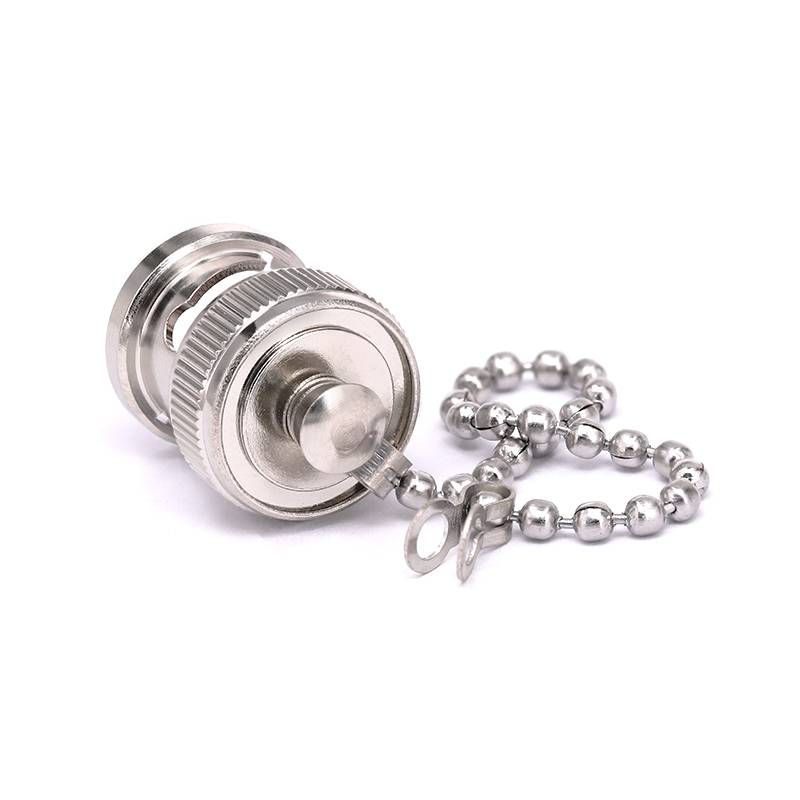
Another aspect to consider is the protection of the connectors. Connector Dust Caps can be a great addition to your PCB connectors. They not only protect the connectors from dust and debris but can also play a role in controlling the optical environment around the connector. For example, a dust cap made of an opaque material can prevent light from entering the connector.
Coaxial connectors, or Coax Connectors, are a special type of PCB connector. They are often used in high - frequency applications, such as in telecommunications and radio frequency (RF) systems. In these applications, the optical properties of the connector can have a significant impact on the signal quality. For example, reflections from the metal surfaces of a coax connector can cause standing waves, which can lead to signal loss and distortion.
As a supplier of PCB connectors, I've seen firsthand how important it is to understand these optical properties. We work closely with our customers to help them choose the right connectors for their specific needs. Whether it's a simple pin connector or a complex multi - coax one, we take into account all the relevant properties, including the optical ones.
If you're in the market for PCB connectors, I encourage you to reach out to us. We can have a detailed discussion about your project requirements, and I'm confident that we can find the perfect connectors for you. We have a wide range of products, and our team of experts is always ready to assist you. Whether you're a small - scale hobbyist or a large - scale manufacturer, we can provide you with high - quality PCB connectors at competitive prices.
In conclusion, the optical properties of PCB connectors are often overlooked but can have a significant impact on their performance. Transparency, reflectivity, and absorption all play a role in how the connectors interact with light and, in turn, how they perform in different applications. By understanding these properties, you can make more informed decisions when choosing PCB connectors for your projects.
So, if you're looking for reliable PCB connectors and want to learn more about how the optical properties can affect your application, don't hesitate to get in touch. Let's work together to find the best solutions for your needs.
References
- "Handbook of Printed Circuit Board Technology"
- "RF and Microwave Connector Design and Applications"


