

What are the RF connector requirements for Wi - Fi applications?
Leave a message

In the ever - evolving landscape of wireless communication, Wi - Fi has emerged as a cornerstone technology, enabling seamless connectivity in homes, offices, public spaces, and industrial environments. As a leading RF connectors supplier, we understand the critical role that RF connectors play in ensuring the optimal performance of Wi - Fi applications. In this blog, we will explore the key requirements for RF connectors in Wi - Fi systems.
Frequency Range Compatibility
Wi - Fi operates across multiple frequency bands, including the 2.4 GHz and 5 GHz bands, with the emerging 6 GHz band for Wi - Fi 6E and future Wi - Fi standards. RF connectors used in Wi - Fi applications must be capable of handling these frequency ranges with minimal signal loss. High - frequency performance is crucial as it directly impacts the data transfer rate, signal strength, and overall reliability of the Wi - Fi connection.
For the 2.4 GHz band, which is widely used for legacy Wi - Fi devices and in environments where longer range is prioritized, connectors need to provide stable impedance matching and low insertion loss. At 5 GHz and 6 GHz, the requirements become even more stringent due to the higher frequencies. The skin effect, which causes the current to flow near the surface of the conductor at high frequencies, can lead to increased losses if the connector design is not optimized. Our RF connectors are engineered to minimize these losses, ensuring that the Wi - Fi signals can travel efficiently through the system.
Impedance Matching
Impedance matching is a fundamental requirement for RF connectors in Wi - Fi applications. In a Wi - Fi system, the characteristic impedance of the transmission line is typically 50 ohms. Any mismatch in impedance between the connector, the transmission line, and the Wi - Fi device can result in signal reflections, which lead to reduced signal strength and increased interference.
Our RF connectors are designed with precision to maintain a consistent 50 - ohm impedance throughout the signal path. This is achieved through careful selection of materials, precise manufacturing processes, and advanced design techniques. For example, the inner and outer conductors of the connector are sized and shaped to ensure that the impedance remains constant over the entire frequency range of operation. By providing excellent impedance matching, our connectors help to maximize the power transfer from the Wi - Fi device to the antenna, resulting in a stronger and more reliable Wi - Fi signal.
Low Insertion Loss
Insertion loss is a measure of the power loss that occurs when a signal passes through an RF connector. In Wi - Fi applications, low insertion loss is essential to maintain the integrity of the Wi - Fi signal. Even a small amount of insertion loss can have a significant impact on the signal strength, especially in long - range or high - data - rate applications.
We use high - quality materials and advanced manufacturing processes to minimize insertion loss in our RF connectors. The choice of materials, such as high - conductivity metals for the conductors and low - loss dielectric materials, plays a crucial role in reducing signal attenuation. Additionally, our connectors are designed with smooth surfaces and precise geometries to ensure that the signal travels through the connector with minimal resistance. By keeping the insertion loss to a minimum, our connectors help to preserve the power of the Wi - Fi signal, enabling better coverage and faster data transfer rates.
High Return Loss
Return loss is a measure of the amount of signal that is reflected back from the connector due to impedance mismatches. A high return loss indicates that most of the signal is being transmitted through the connector and not reflected back. In Wi - Fi applications, high return loss is desirable as it helps to reduce interference and improve the overall efficiency of the system.
Our RF connectors are engineered to provide high return loss values over the entire frequency range of Wi - Fi operation. This is achieved through careful impedance matching and the use of advanced design features, such as precision - machined contacts and optimized dielectric structures. By minimizing signal reflections, our connectors help to ensure that the Wi - Fi signal is transmitted efficiently, resulting in a cleaner and more reliable connection.
Durability and Reliability
Wi - Fi systems are often deployed in a variety of environments, including harsh industrial settings, outdoor locations, and high - traffic public areas. Therefore, the RF connectors used in these applications must be durable and reliable. They need to withstand mechanical stress, temperature variations, humidity, and other environmental factors without compromising their performance.
We design our RF connectors to be rugged and reliable. They are constructed with high - quality materials that are resistant to corrosion, wear, and tear. Our connectors also feature robust mechanical designs, such as secure locking mechanisms and strain - relief features, to ensure that they can withstand repeated mating and unmating cycles. Additionally, our connectors are tested under a variety of environmental conditions to ensure that they meet the highest standards of durability and reliability.
EMI/RFI Shielding
Electromagnetic interference (EMI) and radio - frequency interference (RFI) can pose significant challenges to Wi - Fi systems. These types of interference can disrupt the Wi - Fi signal, leading to reduced performance and connectivity issues. RF connectors in Wi - Fi applications need to provide effective EMI/RFI shielding to protect the Wi - Fi signal from external interference and to prevent the Wi - Fi signal from radiating out and causing interference to other devices.
Our RF connectors are designed with EMI/RFI shielding features to minimize the impact of interference. The outer conductors of our connectors are made of conductive materials that act as a shield, blocking external EMI/RFI signals from entering the connector and preventing the Wi - Fi signal from leaking out. This helps to ensure that the Wi - Fi system operates in a clean and interference - free environment, resulting in a more stable and reliable connection.
Compatibility with Different Antenna Types
Wi - Fi systems can use a variety of antenna types, including omnidirectional antennas, directional antennas, and patch antennas. RF connectors need to be compatible with these different antenna types to ensure that they can be easily integrated into the Wi - Fi system.
We offer a wide range of RF connectors that are compatible with different antenna types. Our connectors come in various configurations, such as PCB Connectors, Glass Beads, and End Launch Connectors, to meet the specific requirements of different Wi - Fi applications. Whether you need a connector for a small - form - factor PCB - mounted antenna or a large - scale outdoor antenna, we have the right solution for you.
Ease of Installation
In addition to performance and reliability, ease of installation is also an important consideration for RF connectors in Wi - Fi applications. Wi - Fi systems are often installed by technicians or end - users, and the connectors need to be easy to install and remove.
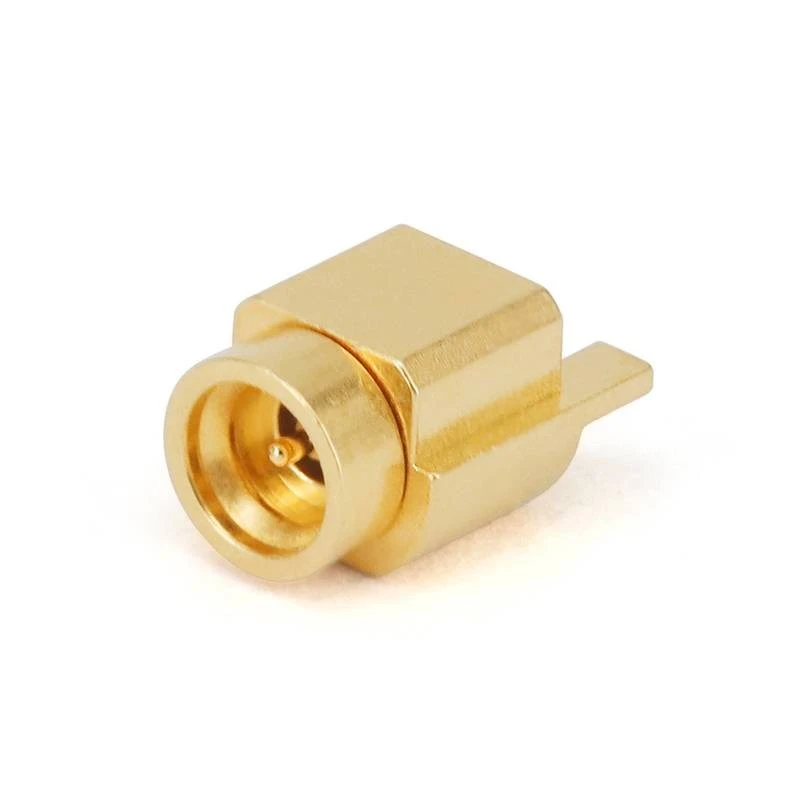
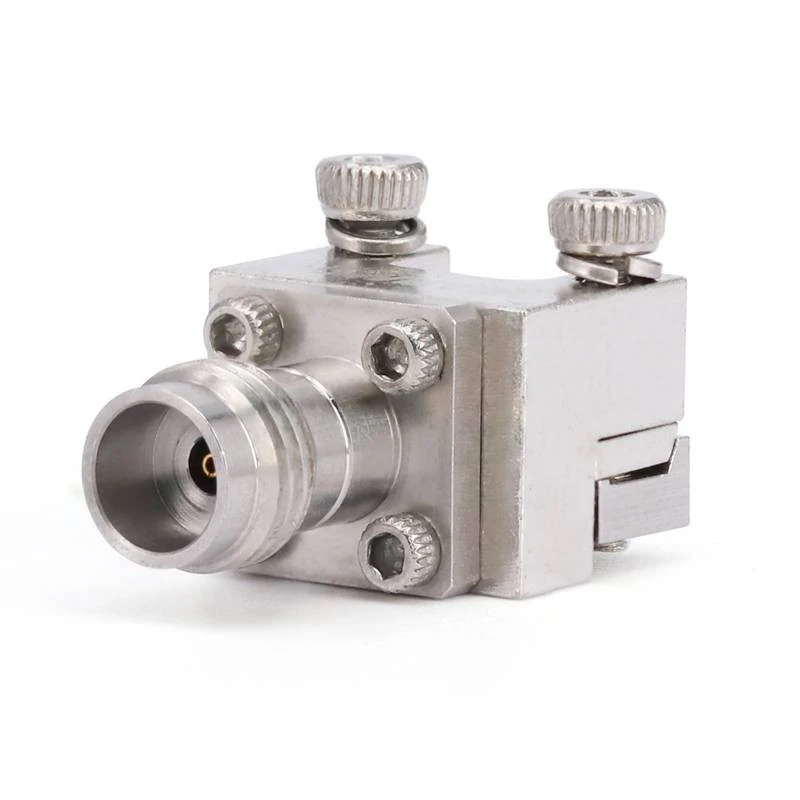
Our RF connectors are designed with user - friendly features to simplify the installation process. They feature quick - connect and disconnect mechanisms, such as snap - on or threaded connectors, that allow for easy mating and unmating. Additionally, our connectors are designed to be compatible with standard installation tools, making the installation process faster and more efficient.
As a leading RF connectors supplier, we are committed to providing high - quality RF connectors that meet the specific requirements of Wi - Fi applications. Our connectors are designed and manufactured to the highest standards of performance, durability, and reliability. If you are looking for RF connectors for your Wi - Fi project, we invite you to contact us to discuss your specific requirements and explore our product offerings. We look forward to working with you to ensure the success of your Wi - Fi application.
References
- "RF Connectors: Theory and Applications" by John F. Schaffner
- "Wi - Fi Technology and Standards" by Andrew S. Tanenbaum
- Industry whitepapers on Wi - Fi performance and RF connector design


