

What is the difference between APC - 7 and other RF connectors?
Leave a message

As an RF connectors supplier, I've witnessed firsthand the diverse needs and preferences of our customers when it comes to choosing the right connector for their applications. One question that often arises is, "What is the difference between APC - 7 and other RF connectors?" In this blog post, I'll delve into the unique characteristics of APC - 7 connectors and compare them with other common RF connectors to help you make an informed decision.
An Overview of RF Connectors
RF connectors are essential components in the field of radio frequency technology. They are used to connect various RF components such as antennas, transmitters, receivers, and test equipment. There are numerous types of RF connectors available in the market, each with its own set of features, advantages, and limitations. Some of the most commonly used RF connectors include SMA, BNC, N - type, and, of course, APC - 7.
What is APC - 7?
APC - 7, also known as the Amphenol Precision Connector - 7mm, is a precision coaxial connector designed for high - performance RF applications. It was originally developed by Amphenol in the 1960s and has since become a standard in the industry for applications requiring excellent electrical performance, repeatability, and low - loss characteristics.
One of the key features of APC - 7 connectors is their precision mating interface. They use a 7mm air - dielectric interface that provides a consistent and stable electrical connection. This design minimizes signal reflections and losses, making APC - 7 connectors ideal for high - frequency applications where signal integrity is crucial.
Another important characteristic of APC - 7 connectors is their gender - less design. Unlike many other RF connectors that have distinct male and female versions, APC - 7 connectors can be mated with any other APC - 7 connector, regardless of its orientation. This feature simplifies the installation process and reduces the risk of incorrect mating, which can lead to performance degradation.
Comparing APC - 7 with Other RF Connectors
SMA Connectors
SMA (Sub - Miniature version A) connectors are one of the most widely used RF connectors in the industry. They are known for their small size, high - frequency performance, and relatively low cost. SMA connectors are commonly used in applications such as wireless communication devices, test and measurement equipment, and satellite communication systems.
In terms of performance, SMA connectors can operate at frequencies up to 18 GHz, although some high - performance versions can reach frequencies of up to 26.5 GHz. However, compared to APC - 7 connectors, SMA connectors have a higher insertion loss and return loss, especially at higher frequencies. This is because SMA connectors use a smaller coaxial interface, which can lead to increased signal reflections and losses.
Another difference between APC - 7 and SMA connectors is their mating mechanism. SMA connectors use a threaded coupling mechanism, which requires a certain amount of torque to ensure a proper connection. In contrast, APC - 7 connectors use a bayonet - style coupling mechanism, which provides a quick and easy connection without the need for tools.
BNC Connectors
BNC (Bayonet Neill - Concelman) connectors are another popular type of RF connector. They are known for their quick - connect bayonet coupling mechanism, which allows for easy and rapid installation. BNC connectors are commonly used in applications such as video surveillance systems, audio equipment, and test and measurement instruments.
BNC connectors typically operate at frequencies up to 4 GHz, although some high - performance versions can reach frequencies of up to 11 GHz. Compared to APC - 7 connectors, BNC connectors have a lower frequency range and higher insertion loss. This is because BNC connectors use a larger coaxial interface, which can lead to increased signal reflections and losses at higher frequencies.
In addition, BNC connectors have a distinct male and female design, which means that they can only be mated with connectors of the opposite gender. This can be a limitation in some applications where a more flexible mating arrangement is required.
N - type Connectors
N - type connectors are a larger, more robust type of RF connector. They are known for their high - power handling capabilities and excellent performance at frequencies up to 11 GHz. N - type connectors are commonly used in applications such as base stations, radar systems, and high - power RF transmitters.
Compared to APC - 7 connectors, N - type connectors have a larger physical size and a higher insertion loss at higher frequencies. This is because N - type connectors use a larger coaxial interface, which can lead to increased signal reflections and losses. However, N - type connectors are more suitable for high - power applications due to their larger size and better power - handling capabilities.
Applications of APC - 7 Connectors
Due to their excellent electrical performance and precision mating interface, APC - 7 connectors are commonly used in a variety of high - performance RF applications. Some of the typical applications include:
- Test and Measurement Equipment: APC - 7 connectors are widely used in test and measurement equipment such as network analyzers, spectrum analyzers, and signal generators. Their low - loss characteristics and high repeatability make them ideal for accurately measuring RF signals.
- Microwave Communication Systems: In microwave communication systems, APC - 7 connectors are used to connect various components such as antennas, amplifiers, and filters. Their excellent signal integrity ensures reliable communication over long distances.
- Satellite Communication Systems: Satellite communication systems require high - performance RF connectors to ensure reliable signal transmission. APC - 7 connectors are often used in satellite ground stations and on - board satellite equipment due to their low - loss and high - frequency capabilities.
Advantages of Choosing APC - 7 Connectors from Our Company
As an RF connectors supplier, we offer a wide range of APC - 7 connectors that are manufactured to the highest quality standards. Our APC - 7 connectors are designed to provide excellent electrical performance, repeatability, and durability.
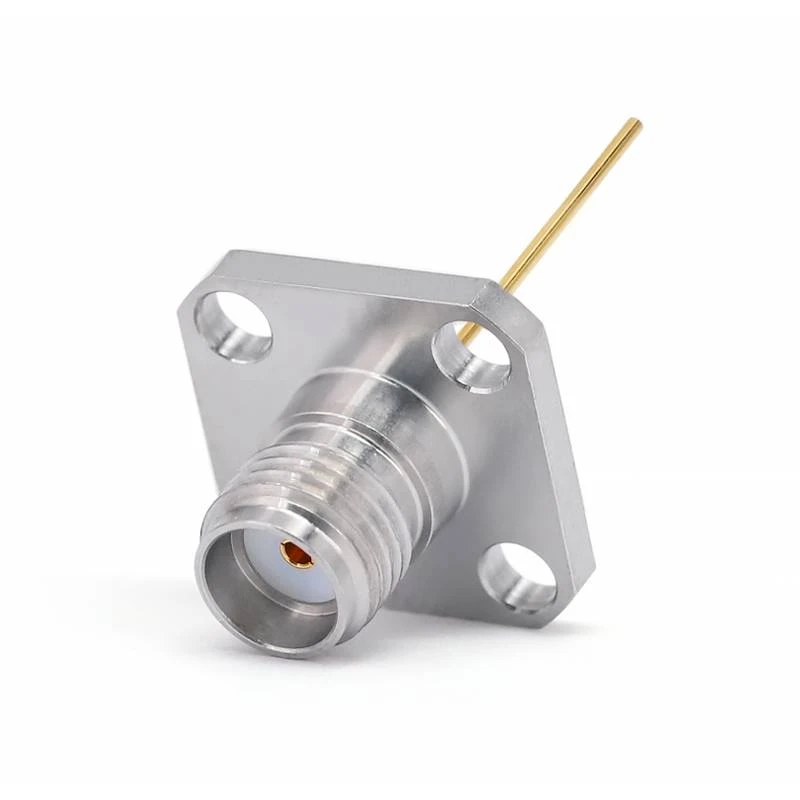
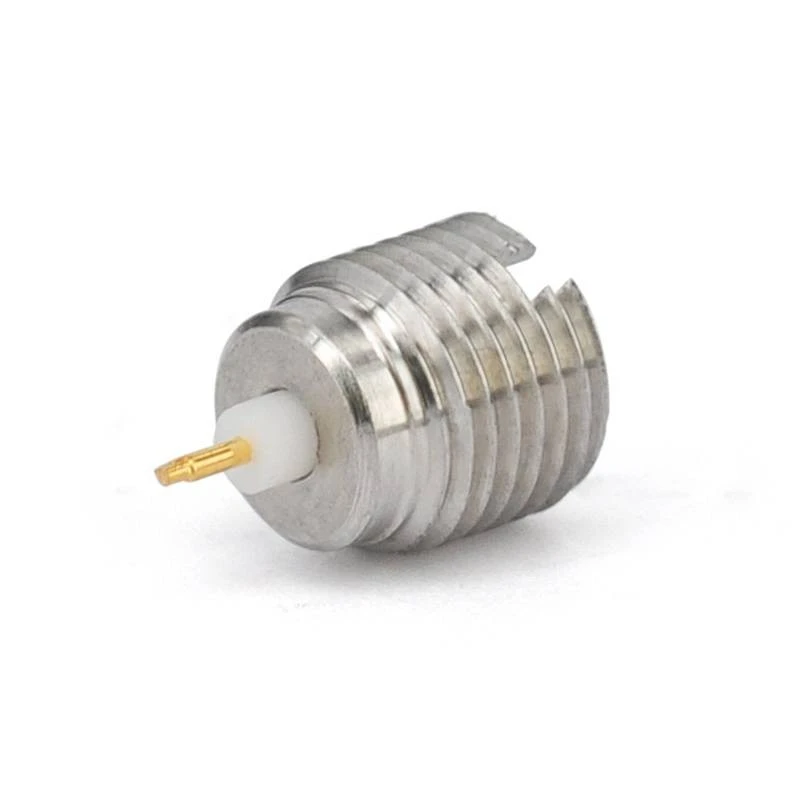
We also offer a variety of Field Replaceable Connectors, Coax Connectors, and Terminal Connectors to meet the diverse needs of our customers. Whether you need a standard APC - 7 connector or a custom - designed solution, our experienced engineering team can work with you to develop the right connector for your application.
In addition, we provide comprehensive technical support and after - sales service to ensure that our customers have a smooth and hassle - free experience. Our team of experts is always available to answer your questions and provide guidance on connector selection, installation, and maintenance.
Conclusion
In conclusion, APC - 7 connectors offer several unique advantages over other RF connectors, especially in high - performance RF applications. Their precision mating interface, gender - less design, and low - loss characteristics make them an excellent choice for applications where signal integrity and repeatability are crucial.
If you are in the market for RF connectors and are considering APC - 7 connectors, we encourage you to contact us for more information. Our team of experts can help you determine the best connector for your specific application and provide you with a competitive quote. Whether you need a small quantity for a prototype or a large volume for a production project, we have the capabilities and expertise to meet your needs.
References
- Amphenol Corporation. "APC - 7 Connector Product Brochure."
- IPC (Association Connecting Electronics Industries). "RF Connector Standards and Guidelines."
- IEEE (Institute of Electrical and Electronics Engineers). "RF Technology and Applications Handbook."


