
How to select a PCB connector for a high - temperature environment?
Leave a message

When it comes to designing electronic systems for high-temperature environments, selecting the right PCB connector is crucial. High temperatures can significantly impact the performance and reliability of connectors, leading to issues such as signal degradation, mechanical failure, and reduced lifespan. As a trusted PCB connectors supplier, we understand the challenges faced by engineers and designers in these demanding applications. In this blog post, we will explore the key factors to consider when selecting a PCB connector for a high-temperature environment and provide valuable insights to help you make an informed decision.
Understanding the Impact of High Temperatures on PCB Connectors
Before delving into the selection process, it's essential to understand how high temperatures can affect PCB connectors. Elevated temperatures can cause several problems, including:
- Material Degradation: High temperatures can cause the materials used in connectors, such as plastics and metals, to degrade over time. This can lead to changes in mechanical properties, such as reduced strength and flexibility, as well as chemical changes that can affect electrical performance.
- Thermal Expansion: Different materials expand at different rates when heated. This can create stress on the connector components, leading to mechanical failure, such as cracking or loosening of contacts.
- Oxidation and Corrosion: High temperatures can accelerate the oxidation and corrosion of metal contacts, increasing contact resistance and reducing signal integrity.
- Electrical Performance Degradation: Heat can cause changes in the electrical properties of connectors, such as increased resistance, capacitance, and inductance. This can lead to signal attenuation, distortion, and interference, affecting the overall performance of the electronic system.
Key Factors to Consider When Selecting a PCB Connector for High-Temperature Environments
When selecting a PCB connector for a high-temperature environment, several factors need to be considered to ensure optimal performance and reliability. These factors include:

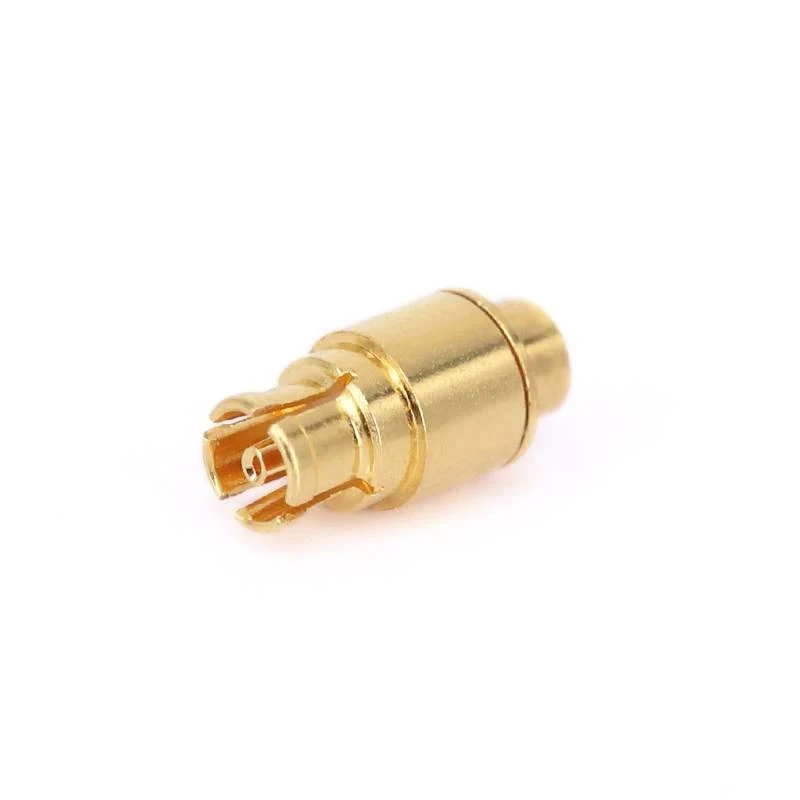
1. Temperature Rating
The temperature rating of a connector is one of the most critical factors to consider. It indicates the maximum temperature at which the connector can operate safely without experiencing significant degradation in performance or reliability. When selecting a connector, it's essential to choose one with a temperature rating that exceeds the maximum operating temperature of the application.
2. Material Selection
The materials used in the connector play a crucial role in its performance at high temperatures. For the housing, materials with high heat resistance, such as liquid crystal polymer (LCP), polyphenylene sulfide (PPS), and polyetheretherketone (PEEK), are commonly used. These materials offer excellent mechanical strength, chemical resistance, and dimensional stability at elevated temperatures.
For the contacts, materials with good electrical conductivity and high melting points, such as copper alloys and gold-plated contacts, are preferred. Gold plating provides excellent corrosion resistance and low contact resistance, ensuring reliable electrical connections even in high-temperature environments.
3. Contact Design
The contact design of the connector can also affect its performance at high temperatures. Contacts with a large surface area and low contact resistance are preferred, as they can dissipate heat more effectively and reduce the risk of overheating. Additionally, contacts with a secure mating mechanism, such as a locking or snap-fit design, can help prevent loosening due to thermal expansion and vibration.
4. Thermal Management
Proper thermal management is essential for ensuring the reliable operation of PCB connectors in high-temperature environments. This can include using heat sinks, thermal pads, or other cooling methods to dissipate heat away from the connector. Additionally, the layout of the PCB can also affect the thermal performance of the connector. Placing the connector away from heat-generating components and ensuring adequate ventilation can help reduce the temperature of the connector.
5. Environmental Sealing
In high-temperature environments, the connector may also be exposed to other environmental factors, such as moisture, dust, and chemicals. Therefore, it's essential to choose a connector with adequate environmental sealing to protect it from these contaminants. Sealed connectors can help prevent corrosion, oxidation, and other forms of damage, ensuring the long-term reliability of the connector.
6. Compatibility with Other Components
When selecting a PCB connector, it's important to ensure compatibility with other components in the electronic system. This includes considering factors such as the PCB layout, the mating connector, and the overall system design. Choosing a connector that is compatible with other components can help simplify the design process and ensure the smooth operation of the system.
Types of PCB Connectors Suitable for High-Temperature Environments
There are several types of PCB connectors that are suitable for high-temperature environments. Some of the most common types include:
1. Coax Connectors
Coax Connectors are widely used in high-frequency applications, such as telecommunications, aerospace, and automotive. They are designed to transmit high-speed signals with minimal loss and interference. Coax connectors are available in a variety of configurations, including BNC, SMA, and SMB, and can operate at temperatures up to 200°C or higher.
2. Multi-coax Connectors
Multi-coax Connectors are used for applications that require the transmission of multiple high-speed signals. They are commonly used in test and measurement equipment, data centers, and military applications. Multi-coax connectors can operate at high temperatures and offer excellent signal integrity and reliability.
3. Board-to-Board Connectors
Board-to-board connectors are used to connect two printed circuit boards together. They are available in a variety of configurations, including vertical, horizontal, and right-angle, and can operate at high temperatures. Board-to-board connectors are commonly used in applications such as computers, servers, and industrial control systems.
4. Wire-to-Board Connectors
Wire-to-board connectors are used to connect wires to a printed circuit board. They are available in a variety of configurations, including headers, sockets, and terminals, and can operate at high temperatures. Wire-to-board connectors are commonly used in applications such as automotive, aerospace, and consumer electronics.
Additional Considerations for High-Temperature PCB Connector Applications
In addition to the factors mentioned above, there are several other considerations that should be taken into account when selecting a PCB connector for high-temperature applications:
1. Connector Dust Caps
Connector Dust Caps can be used to protect the connector from dust, dirt, and other contaminants when not in use. They are particularly useful in high-temperature environments, where the risk of contamination is higher. Connector dust caps can help prevent corrosion, oxidation, and other forms of damage, ensuring the long-term reliability of the connector.
2. Testing and Certification
Before using a PCB connector in a high-temperature environment, it's important to ensure that it has been tested and certified to meet the relevant standards and specifications. This can include testing for temperature resistance, electrical performance, mechanical strength, and environmental sealing. Using a connector that has been tested and certified can help ensure its reliability and performance in the intended application.
3. Supplier Support
When selecting a PCB connector, it's important to choose a supplier that offers excellent technical support and customer service. A reliable supplier can provide valuable assistance in selecting the right connector for your application, as well as offer support during the design, testing, and production phases. Additionally, a supplier with a wide range of products and a proven track record of quality and reliability can help ensure that you have access to the connectors you need when you need them.
Conclusion
Selecting the right PCB connector for a high-temperature environment is a critical decision that can significantly impact the performance and reliability of your electronic system. By considering the factors mentioned in this blog post, such as temperature rating, material selection, contact design, thermal management, environmental sealing, and compatibility with other components, you can choose a connector that meets the specific requirements of your application.
As a leading PCB connectors supplier, we have a wide range of connectors that are suitable for high-temperature environments. Our connectors are designed and manufactured to the highest standards of quality and reliability, and we offer excellent technical support and customer service to help you select the right connector for your application.
If you have any questions or need assistance in selecting a PCB connector for a high-temperature environment, please don't hesitate to contact us. We look forward to working with you to meet your connector needs.
References
- "High-Temperature Electronics: Design and Applications," by John D. Irwin
- "Connectors for Harsh Environments," by the Institute of Electrical and Electronics Engineers (IEEE)
- "PCB Connector Selection Guide," by TE Connectivity


