
What are the chemical properties of PCB connectors?
Leave a message

What are the chemical properties of PCB connectors?
As a supplier of PCB connectors, I've had the privilege of delving deep into the world of these essential components. PCB connectors are the unsung heroes of the electronics industry, enabling seamless communication between different parts of a circuit board. While many focus on their physical and electrical properties, the chemical characteristics are equally crucial. In this blog, I'll explore the chemical properties of PCB connectors, shedding light on how they impact performance, durability, and overall functionality.
Material Composition and Chemical Stability
PCB connectors are typically made from a variety of materials, each with its own unique chemical properties. The most common materials include metals such as copper, brass, and stainless steel, as well as plastics like polycarbonate, ABS, and PBT. These materials are chosen for their electrical conductivity, mechanical strength, and chemical stability.
Copper is a popular choice for PCB connectors due to its excellent electrical conductivity and corrosion resistance. It forms a thin oxide layer on its surface when exposed to air, which acts as a protective barrier against further oxidation. This oxide layer is relatively stable and helps prevent the copper from corroding in most environments. However, in the presence of certain chemicals, such as sulfur compounds or strong acids, copper can react and form more complex compounds that may affect its performance.
Brass, an alloy of copper and zinc, is another commonly used material in PCB connectors. It offers a good balance of electrical conductivity, mechanical strength, and corrosion resistance. The zinc in brass helps to enhance its corrosion resistance by forming a protective zinc oxide layer on the surface. This layer can prevent the underlying copper from corroding and also provides some protection against environmental factors such as moisture and humidity.
Stainless steel is often used in applications where high strength and corrosion resistance are required. It contains chromium, which forms a passive oxide layer on the surface that provides excellent protection against corrosion. This oxide layer is self - healing, meaning that if it is damaged, it can reform in the presence of oxygen. Stainless steel is resistant to a wide range of chemicals, including acids, alkalis, and salts, making it suitable for use in harsh environments.
Plastics are also an important part of PCB connectors, used for insulation and housing. Polycarbonate is known for its high impact resistance, transparency, and good chemical resistance. It is resistant to many common solvents and chemicals, but it can be attacked by some strong solvents such as chlorinated hydrocarbons. ABS (acrylonitrile - butadiene - styrene) is a versatile plastic with good mechanical properties and chemical resistance. It is commonly used in consumer electronics due to its low cost and ease of processing. PBT (polybutylene terephthalate) is a high - performance engineering plastic with excellent dimensional stability, chemical resistance, and electrical insulation properties. It is resistant to many chemicals, including oils, greases, and some solvents.
Surface Finishes and Their Chemical Effects
Surface finishes play a vital role in the chemical properties of PCB connectors. They not only enhance the appearance of the connectors but also provide protection against corrosion and improve electrical contact. Some of the common surface finishes used in PCB connectors include tin, gold, and nickel.
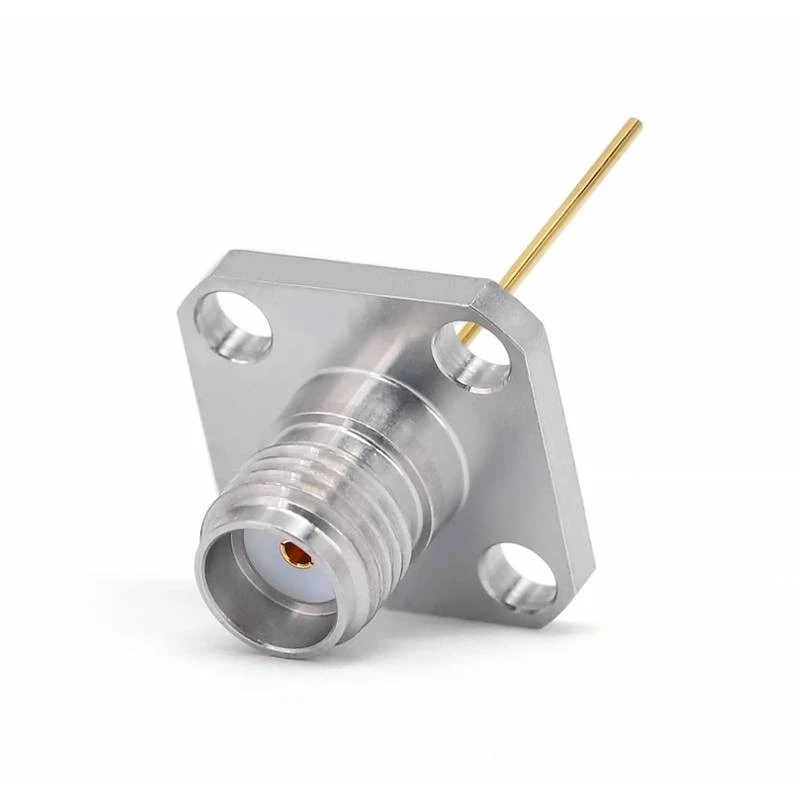
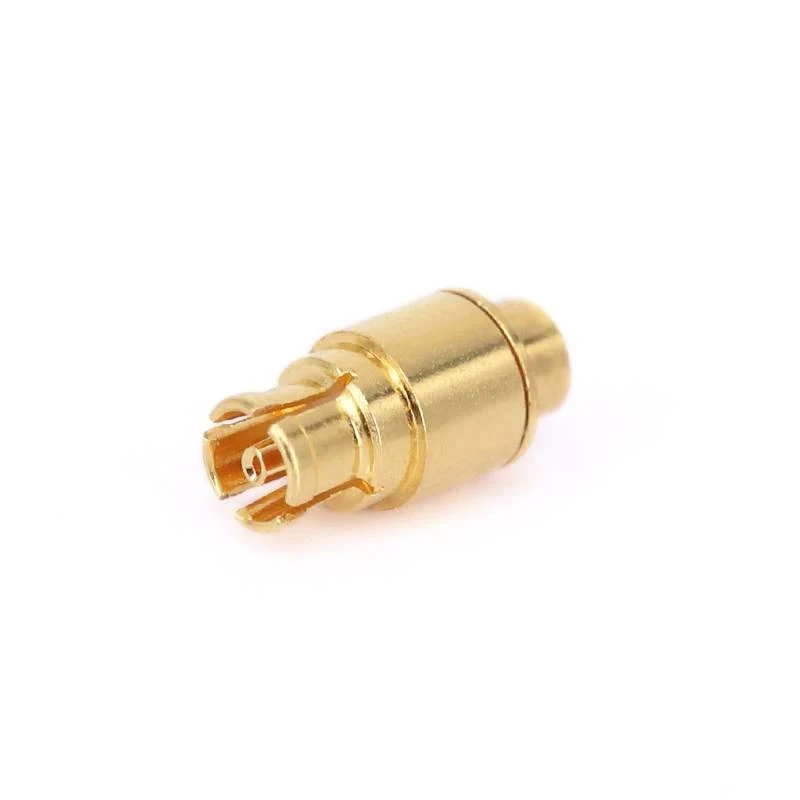
Tin is a widely used surface finish due to its low cost and good solderability. When tin is applied to a connector surface, it forms a thin tin oxide layer in air. This oxide layer is relatively stable and can prevent further oxidation of the underlying metal. However, tin can be prone to whisker growth, which is a phenomenon where thin, needle - like crystals of tin grow from the surface. Whisker growth can be a problem in high - reliability applications as it can cause short - circuits. The growth of tin whiskers is influenced by factors such as stress, temperature, and the presence of certain chemicals.
Gold is a premium surface finish known for its excellent electrical conductivity, corrosion resistance, and tarnish resistance. Gold does not react with oxygen or most chemicals, making it ideal for use in high - performance and high - reliability applications. It provides a stable electrical contact over a long period of time, even in harsh environments. However, gold is expensive, so it is often used in thin layers or in combination with other metals.
Nickel is often used as an undercoat for gold or tin finishes. It provides a hard, corrosion - resistant layer that can improve the adhesion of the top finish and protect the underlying metal. Nickel is resistant to many chemicals, including acids and alkalis, but it can react with some sulfur - containing compounds to form nickel sulfide, which may affect the performance of the connector.
Chemical Resistance in Different Environments
PCB connectors are used in a wide range of environments, from clean indoor settings to harsh industrial and outdoor conditions. Understanding their chemical resistance in different environments is crucial for ensuring their long - term performance.
In indoor environments, the main chemical threats to PCB connectors are usually moisture and airborne contaminants. Moisture can cause corrosion, especially if the connectors are not properly protected. Airborne contaminants such as dust, smoke, and chemicals from cleaning agents can also accumulate on the connector surfaces and affect their performance. Connectors with good chemical resistance, such as those with gold or nickel - plated finishes, are better able to withstand these conditions.
In industrial environments, PCB connectors may be exposed to a variety of chemicals, including acids, alkalis, solvents, and oils. For example, in the automotive industry, connectors may be exposed to engine oils, coolants, and brake fluids. In the chemical processing industry, they may be exposed to strong acids and alkalis. In these environments, connectors made from materials with high chemical resistance, such as stainless steel and certain plastics, are essential.
Outdoor environments pose additional challenges due to the presence of moisture, UV radiation, and pollutants. Moisture can cause corrosion, while UV radiation can degrade plastics over time. Pollutants such as sulfur dioxide and nitrogen oxides in the air can react with the connector surfaces and cause corrosion. Connectors used in outdoor applications need to be designed with appropriate materials and surface finishes to withstand these environmental factors.
Impact of Chemical Properties on Electrical Performance
The chemical properties of PCB connectors can have a significant impact on their electrical performance. Corrosion, for example, can increase the resistance of the connector, leading to voltage drops and power losses. If the corrosion products are conductive, they may also cause short - circuits or interference in the electrical signal.
The presence of contaminants on the connector surfaces can also affect the electrical contact. For example, if a connector is exposed to dust or dirt, it can create a barrier between the contact surfaces, increasing the contact resistance. Chemical reactions on the surface can also change the surface morphology of the connector, which can affect the uniformity of the electrical contact.
In high - frequency applications, the chemical properties of the connector materials can also affect the signal integrity. For example, the dielectric constant of the plastic materials used in the connector housing can influence the propagation of electromagnetic waves. Any changes in the chemical composition of the plastic due to exposure to chemicals or environmental factors can alter the dielectric constant and thus affect the signal quality.
Related Products and Their Chemical Aspects
As a PCB connector supplier, we also offer a range of related products. Coax Connectors are used for high - frequency applications, and their chemical properties are carefully engineered to ensure low signal loss and high performance. The materials used in coax connectors, such as the center conductor, outer conductor, and dielectric, need to have good chemical stability to maintain their electrical properties over time.
Glass Beads are often used in connectors for insulation and sealing purposes. Glass has excellent chemical resistance and can withstand high temperatures and harsh chemicals. It provides a reliable barrier against moisture and contaminants, helping to protect the internal components of the connector.
Field Replaceable Connectors are designed to be easily replaced in the field. Their chemical properties need to be such that they can withstand repeated handling and exposure to different environmental conditions. The materials used in these connectors need to be durable and resistant to corrosion to ensure long - term reliability.
Conclusion
In conclusion, the chemical properties of PCB connectors are complex and have a profound impact on their performance, durability, and reliability. From the material composition to the surface finishes, every aspect of the connector's chemistry needs to be carefully considered to ensure that it can meet the requirements of different applications and environments. As a PCB connector supplier, we are committed to providing high - quality connectors that are designed with the latest understanding of chemical properties.
If you are in the market for PCB connectors or have any questions about their chemical properties, I encourage you to reach out to us for a detailed discussion. Our team of experts is ready to assist you in selecting the right connectors for your specific needs and can provide you with all the technical information you require. Whether you need connectors for consumer electronics, industrial applications, or automotive systems, we have the products and knowledge to meet your requirements. Contact us today to start the procurement process and take advantage of our high - quality PCB connectors.
References
- "Handbook of Electronic Packaging Materials" by C. A. Harper
- "Electrical Contacts: Principles, Applications, and Technology" by E. M. Engel
- "Plastics in Electronics" by M. W. Jawitz


