

What are the requirements for an RF adapter in satellite communication?
Leave a message

In the realm of satellite communication, RF adapters play a crucial role in ensuring seamless signal transmission and reception. As a leading RF adapter supplier, we understand the intricate requirements that these components must meet to function effectively in the demanding environment of satellite systems. This blog post will delve into the key requirements for an RF adapter in satellite communication, highlighting the technical specifications and performance characteristics that are essential for optimal operation.
Electrical Performance
One of the primary requirements for an RF adapter in satellite communication is excellent electrical performance. This includes low insertion loss, high return loss, and wide bandwidth capabilities. Insertion loss refers to the amount of signal power that is lost as the signal passes through the adapter. In satellite communication, where signal strength is often limited, minimizing insertion loss is critical to maintaining a strong and reliable signal. A high - quality RF adapter should have insertion losses of less than 0.1 dB at the operating frequencies, ensuring that minimal signal power is wasted.
Return loss, on the other hand, measures the amount of signal that is reflected back from the adapter. A high return loss indicates that most of the signal is being transmitted through the adapter rather than being reflected. This is important because reflected signals can cause interference, degrade signal quality, and reduce the overall efficiency of the satellite communication system. RF adapters used in satellite communication typically require a return loss of at least 20 dB, and in some high - performance applications, even higher values may be necessary.
Bandwidth is another crucial electrical parameter. Satellite communication systems operate over a wide range of frequencies, and the RF adapter must be able to support these frequencies without significant degradation in performance. A wide - bandwidth adapter allows for the transmission of multiple signals simultaneously, enabling more efficient use of the available spectrum. Our SMA Adapter is designed to offer a broad bandwidth, making it suitable for a variety of satellite communication applications.
Mechanical Durability
Satellite communication systems are often subjected to harsh environmental conditions, including extreme temperatures, vibrations, and mechanical shocks. Therefore, RF adapters used in these systems must be mechanically durable. They need to be able to withstand the rigors of launch, as well as the long - term exposure to the space environment.
The materials used in the construction of the RF adapter are of utmost importance. High - quality metals such as brass, stainless steel, or aluminum are commonly used for the outer housing and connectors. These materials provide excellent corrosion resistance, ensuring that the adapter remains functional even in the presence of moisture and other corrosive agents. Additionally, the internal components of the adapter, such as the dielectric materials, must be able to maintain their electrical properties under varying temperatures and mechanical stress.
The connector design also plays a significant role in mechanical durability. A well - designed connector should provide a secure and reliable connection, preventing signal loss due to loose connections. Our GPPO Mini SMP Adapter features a robust connector design that can withstand repeated mating and unmating cycles, making it suitable for applications where frequent connections and disconnections are required.
Environmental Resistance
In addition to mechanical durability, RF adapters in satellite communication must have excellent environmental resistance. They need to be able to operate effectively in a wide range of temperatures, from the extreme cold of space to the high temperatures generated during launch. The adapter's performance should not degrade significantly over this temperature range.
Humidity is another environmental factor that can affect the performance of RF adapters. Moisture can cause corrosion, which can lead to increased insertion loss and reduced return loss. Therefore, the adapter should be designed to resist the ingress of moisture. This can be achieved through the use of proper sealing techniques and moisture - resistant materials.
Radiation is a unique challenge in satellite communication. The space environment is filled with high - energy radiation, which can damage electronic components. RF adapters used in satellites must be radiation - hardened to ensure their long - term reliability. Specialized materials and manufacturing processes are often employed to make the adapter resistant to radiation. Our GPO SMP Adapter is engineered to meet the strict environmental requirements of satellite communication, providing reliable performance in harsh space conditions.
Compatibility
Compatibility is a key requirement for RF adapters in satellite communication. They must be able to interface seamlessly with other components in the satellite communication system, such as antennas, transceivers, and amplifiers. This means that the adapter's connector type, impedance, and other electrical characteristics must match those of the mating components.
There are several standard connector types used in satellite communication, including SMA, GPPO, and GPO. Each connector type has its own unique features and advantages, and the choice of connector depends on the specific application requirements. Our extensive range of RF adapters offers various connector types, ensuring that you can find the right adapter to meet your compatibility needs.
In addition to connector compatibility, the impedance of the RF adapter must also be matched to the impedance of the system. In most satellite communication systems, a 50 - ohm impedance is standard. An adapter with the wrong impedance can cause significant signal reflections and performance degradation.
Miniaturization and Weight Reduction
In satellite design, size and weight are critical factors. Every additional kilogram of weight increases the cost of launch and reduces the satellite's overall efficiency. Therefore, RF adapters used in satellite communication should be as small and lightweight as possible without sacrificing performance.
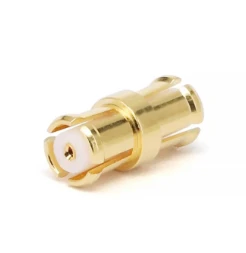
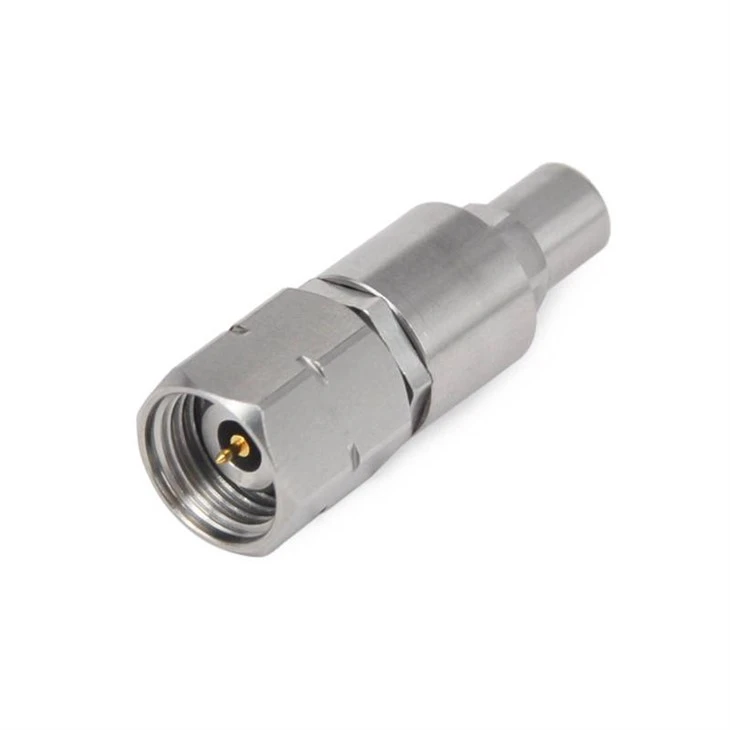
Advances in manufacturing technology have enabled the development of miniaturized RF adapters that offer the same high - performance characteristics as their larger counterparts. These miniaturized adapters take up less space on the satellite, allowing for more efficient use of the available volume. Our company is at the forefront of this trend, offering a range of compact and lightweight RF adapters that are ideal for satellite communication applications.
Conclusion
As a trusted RF adapter supplier, we recognize the importance of meeting the stringent requirements for RF adapters in satellite communication. Our products are designed and manufactured to provide excellent electrical performance, mechanical durability, environmental resistance, compatibility, and miniaturization. Whether you need an SMA Adapter, a GPPO Mini SMP Adapter, or a GPO SMP Adapter, we have the right solution for your satellite communication needs.
If you are interested in learning more about our RF adapters or would like to discuss your specific requirements, please feel free to contact us for a procurement discussion. We are committed to providing you with the highest quality products and the best possible service.
References
- Pozar, D. M. (2011). Microwave Engineering. Wiley.
- Bahl, I. J., & Bhartia, P. (1988). Microwave Solid - State Circuit Design. Wiley.
- Collin, R. E. (1992). Foundations for Microwave Engineering. McGraw - Hill.


