

What is the difference between male and female Coax Connectors?
Leave a message

Coaxial connectors, commonly referred to as coax connectors, are essential components in modern electronic and communication systems. They are used to connect coaxial cables to various devices, such as antennas, radios, and televisions, ensuring efficient transmission of radio frequency (RF) signals. One of the fundamental distinctions in coax connectors is between male and female types. As a supplier of coax connectors, understanding these differences is crucial for providing the right products to our customers.
Physical Structure
The most obvious difference between male and female coax connectors lies in their physical structure. A male coax connector typically has a central pin or prong that protrudes from the center of the connector body. This pin is usually made of a conductive material, such as copper or brass, and is responsible for carrying the RF signal. Surrounding the central pin is a metal outer shell, which provides shielding to prevent electromagnetic interference (EMI) and also serves as the ground connection.
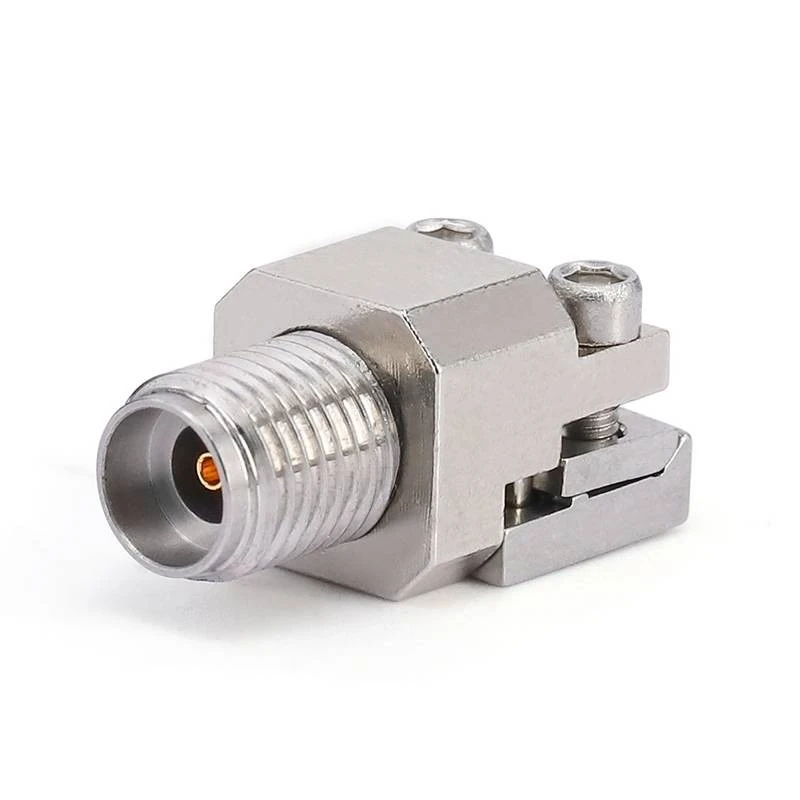
On the other hand, a female coax connector has a socket or receptacle in the center to accept the central pin of the male connector. The socket is designed to make a secure electrical connection with the pin when the two connectors are mated. Similar to the male connector, the female connector also has an outer shell that provides shielding and ground connection. The outer shell of the female connector is often threaded or has a locking mechanism to ensure a tight and stable connection with the male connector.
Connection Mechanism
The connection mechanism of male and female coax connectors is designed to ensure a reliable and secure connection. When mating a male and female coax connector, the central pin of the male connector is inserted into the socket of the female connector. The outer shells of the two connectors are then brought together and secured using a threaded or locking mechanism. This mechanism not only ensures a good electrical connection but also prevents the connectors from coming loose due to vibration or movement.
There are different types of connection mechanisms used in coax connectors, including threaded, bayonet, and push-on connectors. Threaded connectors, such as the Type N and BNC connectors, are the most common type and provide a very secure connection. They require the user to screw the outer shells of the male and female connectors together, which creates a tight seal and reduces the risk of signal loss. Bayonet connectors, such as the SMA and SMB connectors, use a quick-connect mechanism that allows the connectors to be mated and unmated quickly. Push-on connectors, such as the F-type connector, are the simplest type and are commonly used in consumer electronics. They are easy to install but may not provide as secure a connection as threaded or bayonet connectors.

Electrical Performance
The electrical performance of male and female coax connectors is another important difference. The design of the central pin and socket in the connectors can affect the impedance, insertion loss, and return loss of the connection. Impedance is a measure of the opposition to the flow of electrical current in a circuit and is typically specified in ohms. Coaxial cables and connectors are designed to have a specific impedance, usually 50 or 75 ohms, to ensure maximum power transfer and minimize signal reflection.
The central pin and socket in a coax connector must be designed to match the impedance of the coaxial cable to ensure a good electrical connection. Any mismatch in impedance can cause signal reflection, which can lead to signal loss and degradation. Insertion loss is a measure of the amount of signal power that is lost when passing through a connector. It is typically expressed in decibels (dB) and is affected by factors such as the quality of the materials used, the design of the connector, and the frequency of the signal. Return loss is a measure of the amount of signal power that is reflected back from the connector due to impedance mismatch. It is also expressed in dB and is an important parameter for ensuring the quality of the signal.
Applications
Male and female coax connectors are used in a wide range of applications, including telecommunications, radio and television broadcasting, military and aerospace, and consumer electronics. In telecommunications, coax connectors are used to connect antennas, base stations, and other communication equipment. They are also used in fiber optic networks to connect optical transceivers and other components. In radio and television broadcasting, coax connectors are used to connect transmitters, receivers, and antennas. They are also used in cable television systems to connect set-top boxes and other devices.
In military and aerospace applications, coax connectors are used in radar systems, communication systems, and electronic warfare equipment. They must be able to withstand harsh environmental conditions, such as high temperatures, vibration, and shock. Consumer electronics, such as televisions, radios, and computers, also use coax connectors to connect antennas, cable modems, and other devices.
Compatibility
When selecting male and female coax connectors, it is important to ensure compatibility between the connectors and the coaxial cable. The impedance of the connector must match the impedance of the cable to ensure a good electrical connection. The size and type of the connector must also be compatible with the cable. For example, a Type N connector is typically used with larger diameter coaxial cables, while a SMA connector is used with smaller diameter cables.
It is also important to ensure compatibility between the male and female connectors. Different types of connectors may have different thread sizes, locking mechanisms, and pin configurations, which can affect their compatibility. When mating a male and female connector, it is important to use connectors that are designed to be used together to ensure a reliable and secure connection.
Our Product Range
As a supplier of coax connectors, we offer a wide range of male and female coax connectors to meet the needs of our customers. Our product range includes Multi-coax Connectors, which are designed to handle multiple coaxial cables in a single connector, providing a more compact and efficient solution for high-density applications. We also offer Connector Dust Caps, which are used to protect the connectors from dust, dirt, and moisture when not in use. In addition, our End Launch Connectors are designed for applications where the connector needs to be mounted at the end of a printed circuit board.
All of our coax connectors are manufactured to the highest quality standards and are tested to ensure excellent electrical performance. We use only the best materials and advanced manufacturing processes to ensure the reliability and durability of our products. Whether you need a single connector or a large quantity of connectors for a project, we can provide you with the right solution at a competitive price.
Conclusion
In conclusion, the difference between male and female coax connectors lies in their physical structure, connection mechanism, electrical performance, and applications. Understanding these differences is essential for selecting the right coax connectors for your specific needs. As a supplier of coax connectors, we are committed to providing our customers with high-quality products and excellent customer service. If you have any questions or need assistance in selecting the right coax connectors for your application, please feel free to contact us. We look forward to working with you and helping you find the best solution for your needs.
References
- "Coaxial Connectors: A Comprehensive Guide." RF Connectors World.
- "Understanding Coaxial Cable and Connectors." Electronics Notes.
- "RF Connector Basics." Amphenol Corporation.


